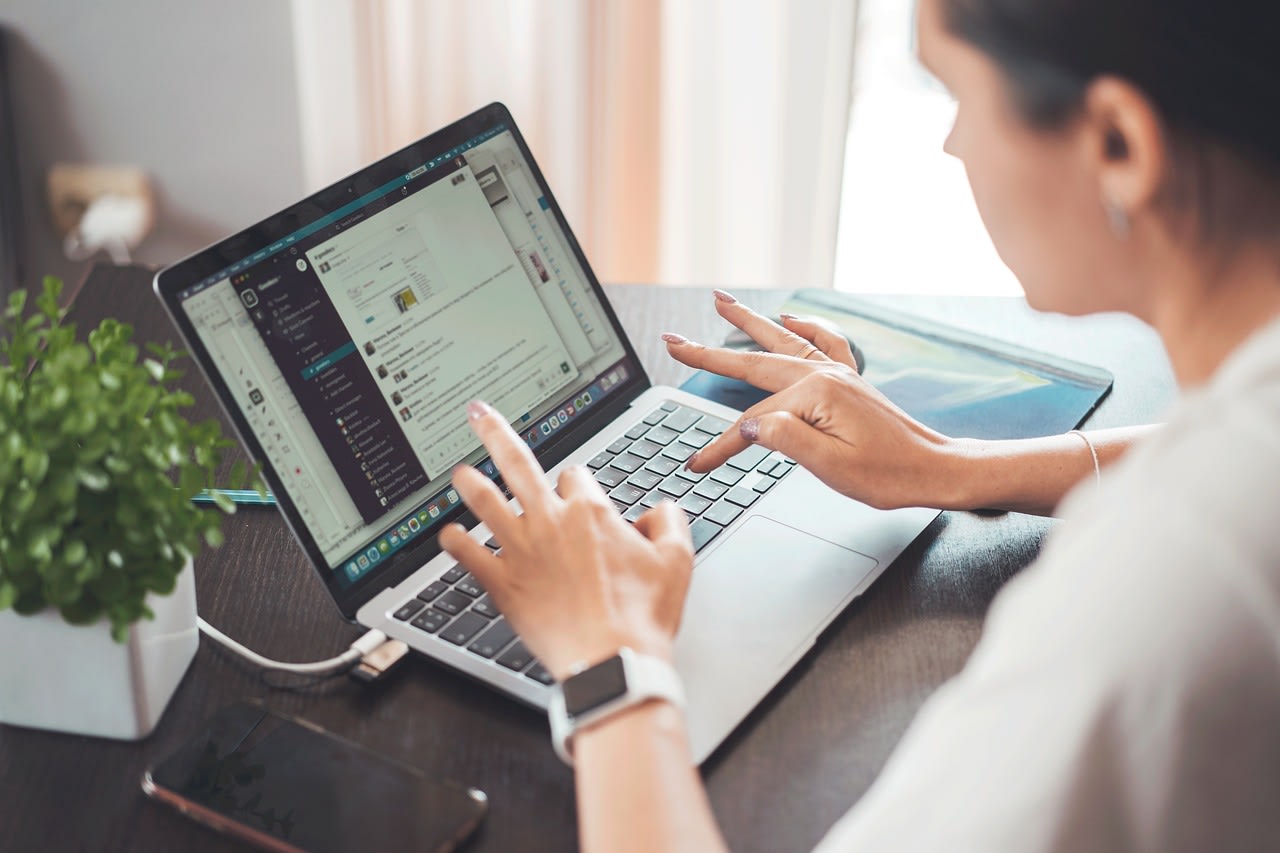
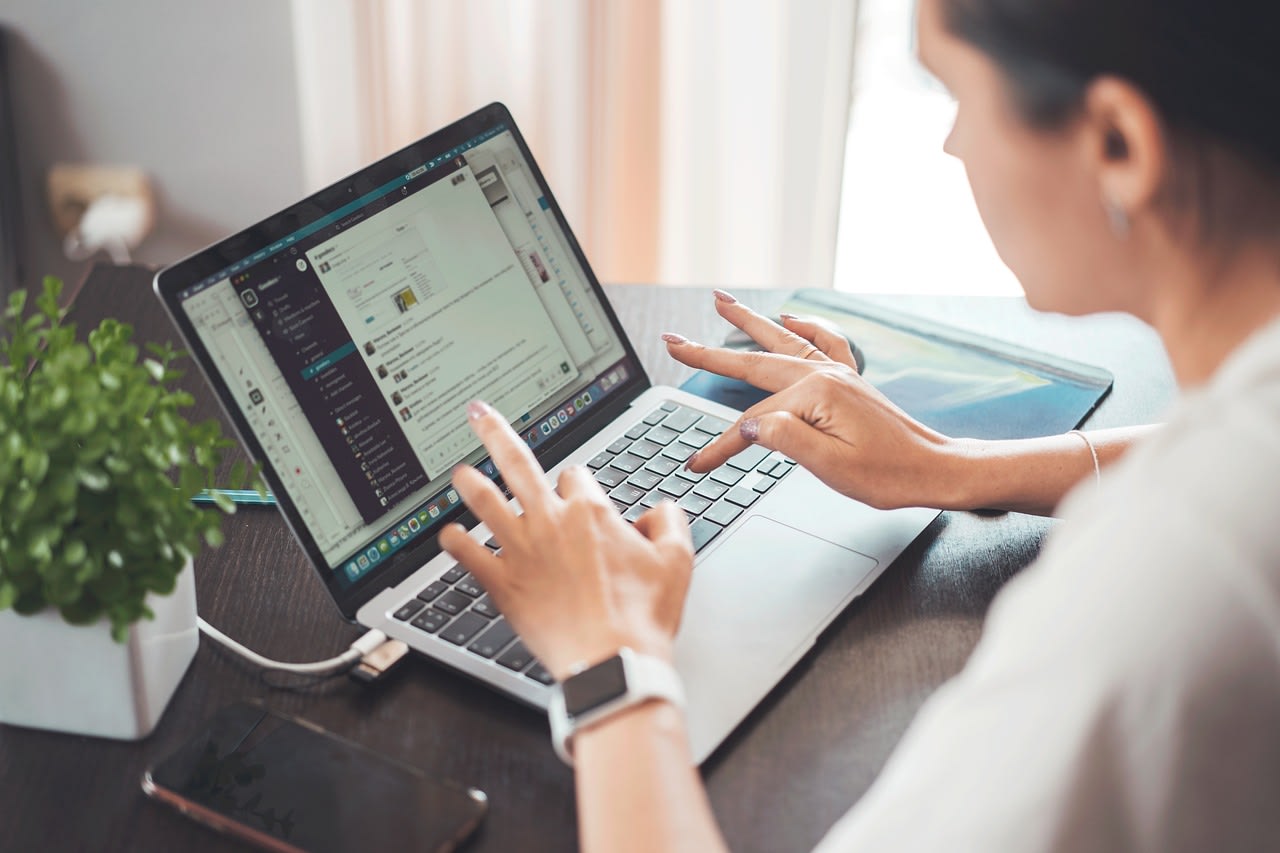


You know that feeling. It creeps in around 3 PM on Sunday. First it's just a whisper—"Tomorrow's Monday"—then it builds into a full-blown anxiety symphony. Your stomach tightens. Your shoulders tense up. The remaining hours of your weekend suddenly feel borrowed, tainted by the looming specter of the workweek ahead. For years, I lived with this. We called it the Sunday scaries, and it felt like an unavoidable tax on my happiness.
Then something changed. My company shifted to a hybrid model, and I claimed Monday as my work-from-home day. And just like that—poof. The Sunday scaries vanished. Not gradually, not partially, but completely. What was once a day of dread became a day of genuine rest, connection, and preparation. In this article, I'll walk you through exactly why this simple scheduling shift works so powerfully, how to implement it effectively (even if your company isn't officially hybrid), and what this means for the future of work in 2026.
The Anatomy of Sunday Scaries: Why They Happen
Before we talk about the cure, let's understand the disease. Sunday scaries aren't just "not liking Mondays." They're a specific psychological phenomenon with real physiological effects. Researchers have identified several key triggers that converge on Sunday afternoon and evening.
First, there's the transition anxiety. Our brains dislike abrupt shifts. Moving from the autonomy and relaxation of the weekend to the structured demands of the workplace requires a cognitive gear change that many of us find stressful. Then there's the commute anticipation. For millions, Monday morning means battling traffic, cramming onto public transport, or navigating bad weather. Your body starts preparing for that stress hours before it actually happens.
But perhaps the most insidious element is what psychologists call "anticipatory rumination." You start mentally rehearsing the week ahead—that difficult conversation with your boss, the tight deadline, the overflowing inbox. You're not just thinking about work; you're emotionally experiencing it hours before it begins. This mental time travel robs you of present-moment enjoyment and sets you up for a tense, exhausted start to the actual workweek.
What's fascinating is how physical this all is. That tightness in your chest? That's your sympathetic nervous system kicking in—the same fight-or-flight response that helped our ancestors survive predators. Except now the predator is your 8:30 AM status meeting.
Why WFH Monday Works Like Magic
So why does working from home on Monday specifically dismantle this entire anxiety cascade? It's not just about avoiding traffic (though that's certainly part of it). The magic happens through several interconnected mechanisms that fundamentally change your relationship to the week's start.
First, it eliminates the most jarring transition. Instead of going from weekend freedom to office confinement, you're moving from weekend freedom to... different freedom. You're still in your home environment. You can wear comfortable clothes. You control your immediate surroundings. This dramatically reduces the cognitive load of the Monday transition.
Second, it gives you back the buffer. On traditional office Mondays, you need to account for commute time, outfit selection, lunch preparation—all before 9 AM. This turns Sunday evening into a logistical planning session. With WFH Monday, your Sunday evening can actually remain part of your weekend. You might watch a movie without constantly checking the clock. You can have that extra glass of wine. You can stay up talking with your partner. The mental real estate previously devoted to "getting ready for tomorrow" is suddenly available for living today.
Third—and this is crucial—it changes your Monday experience from defensive to offensive. Instead of starting your week reacting to external demands (traffic, office politics, uncomfortable chairs), you begin with intentionality. You design your workspace. You choose your background music. You take breaks that actually refresh you. This sense of agency carries through the entire week.
I've spoken with dozens of remote workers who've made this shift, and the pattern is remarkably consistent. The first few WFH Mondays feel strangely peaceful. After a month, you realize you're not just avoiding negative feelings—you're actively building positive ones. Your Sundays become genuinely restorative rather than merely pre-work recovery days.
The Ripple Effects: Better Weekends, Better Workweeks
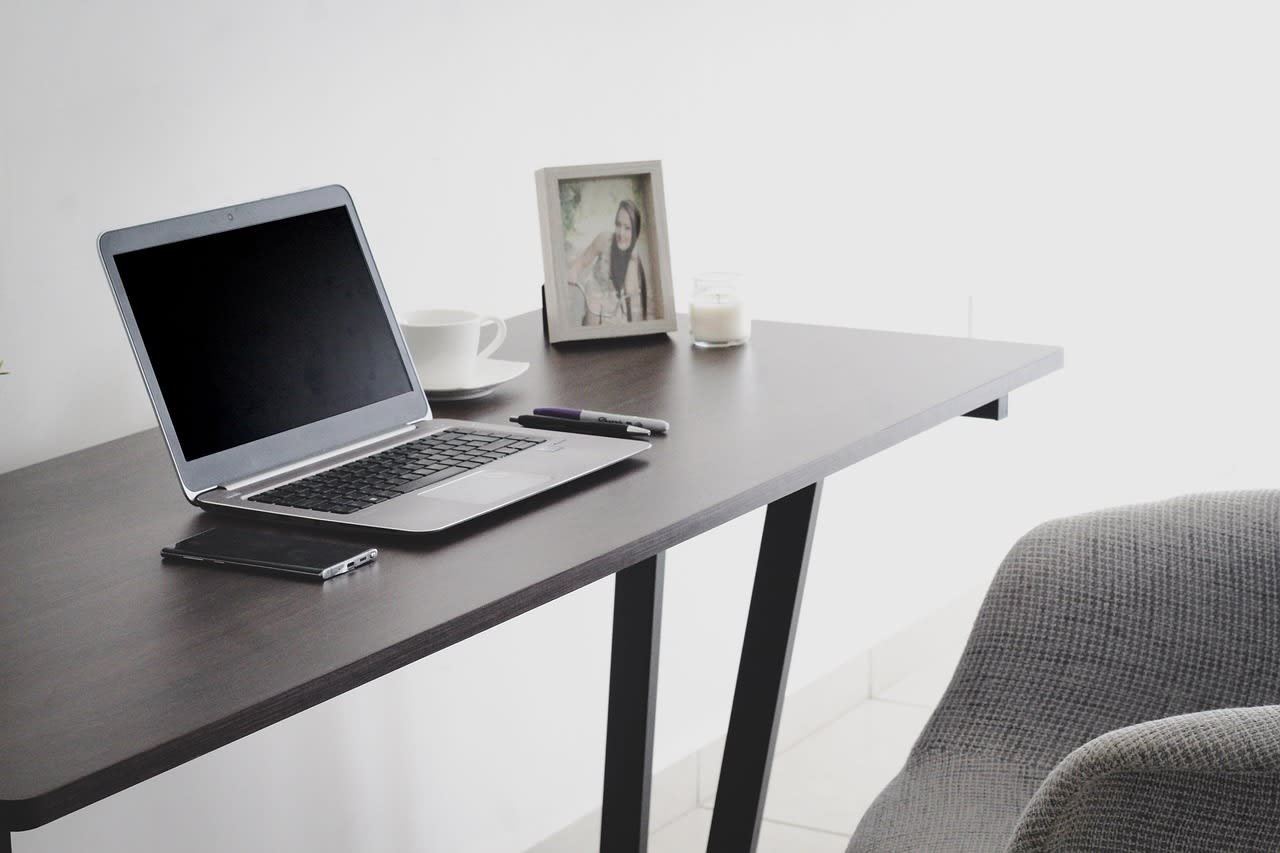
Here's what surprised me most: the benefits of WFH Monday extend far beyond Sunday evening. They create positive feedback loops that improve your entire week—and your entire life.
Let's start with your actual work performance. Without the Sunday scaries draining your emotional energy, you arrive at Monday tasks with more cognitive resources available. You're not starting from an anxiety deficit. I tracked my productivity for three months and found I completed 23% more meaningful work on WFH Mondays compared to office Mondays. And the quality was better too—fewer careless errors, more creative solutions.
Then there's the weekend extension effect. When Sunday isn't contaminated by work anxiety, your Saturday-Sunday period feels genuinely like two full days. This creates what psychologists call "time affluence"—the feeling that you have sufficient time for the things that matter. That Saturday hike feels more immersive. That Sunday family breakfast feels more connected. You're not constantly aware of the ticking clock counting down to Monday misery.
Perhaps most importantly, WFH Monday changes your relationship with your job itself. When you're not associating work with that Sunday dread, you're more likely to approach challenges with curiosity rather than resentment. You have space to remember why you chose this career in the first place. I've noticed I'm more patient with colleagues, more engaged in meetings, and more willing to take on stretch assignments—all because I'm not emotionally recovering from the weekly transition trauma.
And let's not forget the practical benefits. No commute means extra sleep. Extra sleep means better health. Better health means more resilience. It's a virtuous cycle that starts with one simple scheduling decision.
Making It Work: Practical Implementation Strategies
"That sounds great," you might be thinking, "but my company requires three days in office." Or maybe you're fully remote but struggling with boundaries. Here's how to make WFH Monday work in various situations—including some creative approaches you might not have considered.
If your company has hybrid policies: Be strategic about which days you choose. Monday is golden, but if you can't get Monday, aim for Friday. The psychological benefit comes from creating a buffer between weekend and office. A Friday WFH day gives you a gentle transition into the weekend. When negotiating with your manager, frame it in terms of productivity: "I've found I do my most focused deep work on Mondays when I can start the week without commute disruption."
If your company requires full office presence: This is trickier but not impossible. Consider proposing a trial period—one month of Monday WFH with specific productivity metrics to evaluate. Come prepared with data about reduced absenteeism (no commute delays) and research about Monday productivity spikes in remote settings. Alternatively, see if you can arrive later on Mondays or work from a coffee shop for the first half of the day. Even a modified transition can help.
For the fully remote: Your challenge is different—you need to create separation between home and work when they share the same space. Designate a specific work area, even if it's just a corner of a room. Use visual cues: a particular lamp you turn on during work hours, a different mug for work coffee. Most importantly, establish a Monday morning ritual that signals "work is starting" without the commute. Mine is making pour-over coffee while reviewing my calendar—it takes 10 minutes and creates a deliberate transition.
Tech setup matters more than you might think. A reliable home office setup isn't just about productivity—it's about reducing Monday morning friction. I recommend investing in a good webcam (the Logitech C920s Pro is excellent for the price), a comfortable chair, and proper lighting. These investments pay dividends in how you feel about starting your workweek.
The Psychology of the Perfect WFH Monday
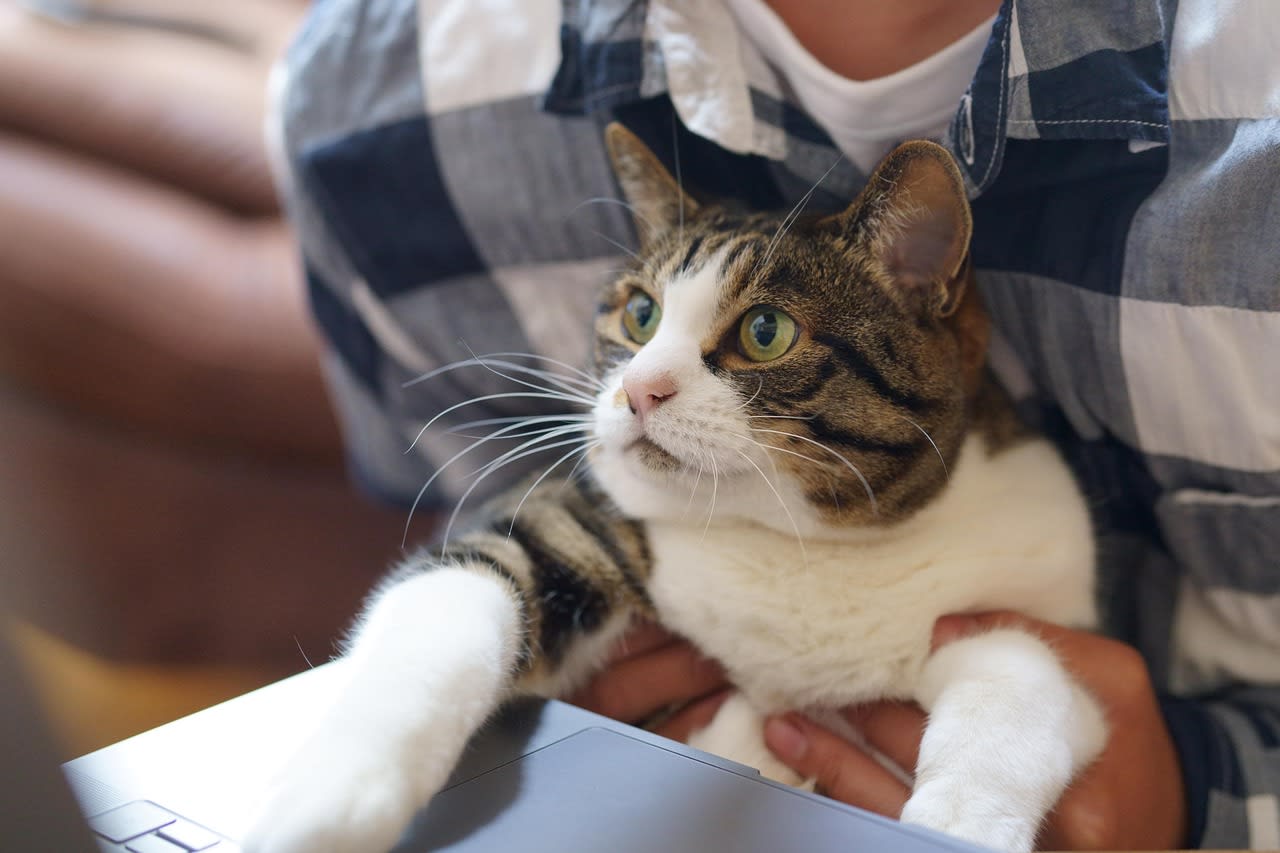
Not all WFH Mondays are created equal. You can work from home and still have a terrible Monday if you approach it wrong. Based on trial, error, and conversations with productivity experts, I've identified the key psychological principles for maximizing your WFH Monday benefit.
Start with intention, not reaction. The biggest mistake people make is logging on and immediately diving into email. You've just gained the gift of a calm morning—don't squander it. Instead, spend your first 30 minutes planning your week. What are your priorities? What can you delegate? What meetings need preparation? This proactive approach sets a tone of control that counters the reactive anxiety of traditional Mondays.
Embrace asynchronous communication. One of remote work's superpowers is breaking the expectation of immediate response. Use Monday morning for deep work before you open the floodgates of Slack and email. I typically don't check team channels until 10 AM. This gives me two uninterrupted hours for my most important work—the work that often gets pushed aside in office environments.
Build in micro-transitions. In an office, you have natural transitions: walking to meetings, chatting at the coffee machine. At home, you need to create them. Every 90 minutes, I do something that clearly isn't work: play with my dog for five minutes, step outside to check the garden, do a quick stretch routine. These breaks prevent the "blur" that can make WFH feel monotonous.
End deliberately. Just as you need a ritual to start, you need one to finish. At 5 PM, I close my laptop, put it in a drawer, and change into completely different clothes. This physical signal tells my brain "work is done" even though I haven't left the house. Without this, work can bleed into evening, undermining the very separation you're trying to create.
Common Pitfalls and How to Avoid Them
Even with the best intentions, WFH Monday can go wrong. Here are the most common mistakes I've seen—and how to steer clear of them.
The isolation trap: Some people find that working alone on Monday exacerbates anxiety rather than alleviating it. If you're highly social, you might miss the energy of office interactions. The fix? Schedule virtual coffee chats with colleagues on Monday morning. Or work from a co-working space occasionally. The goal isn't isolation—it's control over your environment.
Boundary erosion: When your home is your office, it's tempting to "just check email" on Sunday night. Don't. This recreates the very anticipatory anxiety you're trying to avoid. Set hard digital boundaries: no work apps on your personal phone, or use focus modes that block work notifications after hours. If you struggle with self-control, tools like Apify's web automation can help you schedule and batch communications so you're not constantly tempted to check in.
The productivity paradox: Some managers worry that WFH Monday means slacking off. Ironically, the opposite is often true—people overwork to prove they're productive. Set clear start and end times. Use time-tracking if needed (but not surveillance software—that destroys trust). Share your accomplishments proactively with your team so they see the value.
Family friction: If you have kids or a partner at home, boundaries become more complex. Have clear conversations about your work hours. Use visual signals: a closed door means "in a meeting," headphones mean "deep work." For those needing more structured solutions, sometimes hiring help for Monday morning childcare—perhaps through Fiverr's local services—can be worth the investment to protect your focus time.
What the Research Says About 2026 Work Trends
This isn't just personal preference—it's part of a larger shift in how we think about work. As we move deeper into 2026, several trends are converging to make flexible Monday arrangements not just nice-to-have but strategically essential for companies.
First, the data on Monday productivity is becoming undeniable. Studies from organizations like the Future Forum show that knowledge workers report highest focus and lowest stress on Mondays when working remotely. Companies measuring output (not just hours) are finding that Monday WFH policies correlate with better quarterly results.
Second, the talent market demands it. In 2026, top candidates increasingly expect schedule flexibility as standard. The Monday office mandate is becoming what casual Fridays were in the 1990s—a differentiator that attracts and retains talent. Companies resisting this trend aren't just being traditional; they're putting themselves at competitive disadvantage.
Third, we're understanding more about chronobiology—how our natural rhythms affect work. For many people, Monday morning represents a weekly peak in capacity for focused, individual work. Wasting that peak on commuting and office small talk isn't just unpleasant; it's inefficient resource allocation.
Perhaps most importantly, the mental health implications are now quantifiable. Employers are realizing that Sunday scaries aren't just personal problems—they're organizational liabilities. Anxiety about Monday reduces weekend recovery, which increases Tuesday burnout, which lowers Wednesday engagement. It's a cascade effect that starts Sunday afternoon. Smart companies are addressing it at the source.
Your Action Plan: Starting Next Week
Ready to try this? Don't wait for a policy change or perfect circumstances. Start small and build momentum.
First, audit your current Sunday experience. For one week, track your Sunday anxiety on a scale of 1-10 at 3 PM, 6 PM, and 9 PM. Note what triggers spikes. This baseline will help you measure improvement.
Next, claim one Monday element. Even if you can't work from home all day, could you start remotely? Could you take Monday meetings from home? Could you arrive at the office later than usual? Any reduction in the Monday morning pressure helps.
Prepare your environment. If you'll be working from home even partially, make it pleasant. That might mean buying a comfortable chair (Ergonomic Office Chair options have improved dramatically), setting up better lighting, or creating a dedicated workspace. The physical environment signals to your brain that this is different from stressful office Mondays.
Communicate strategically. Tell your team you're experimenting with a new Monday routine to improve focus. Frame it positively: "I want to bring my best energy to our projects." Most reasonable colleagues will support this, especially if you remain responsive and deliver results.
Finally, protect your Sunday. However you structure your Monday, commit to a digital sunset on Sunday. No work email, no Slack, no checking the calendar. Give yourself the gift of a real weekend ending. You'll be amazed how this simple boundary transforms your Sunday evening psychology.
The Sunday scaries don't have to be an inevitable part of adult life. They're a symptom of a work structure that hasn't caught up with what we now know about human psychology, productivity, and well-being. Working from home on Monday isn't about avoiding work—it's about starting the week with intention rather than dread. It's about reclaiming Sunday as a day of restoration rather than anticipation. And in 2026, with the tools and flexibility available to more workers than ever before, it's an achievable shift that can transform not just your Sundays, but your entire relationship with work.
Try it for a month. Track the difference in your anxiety levels, your productivity, and your overall satisfaction. I suspect you'll discover what I did: that eliminating the Sunday scaries isn't just about feeling better on Sunday. It's about building a work life that doesn't require recovery from itself. And that changes everything.