
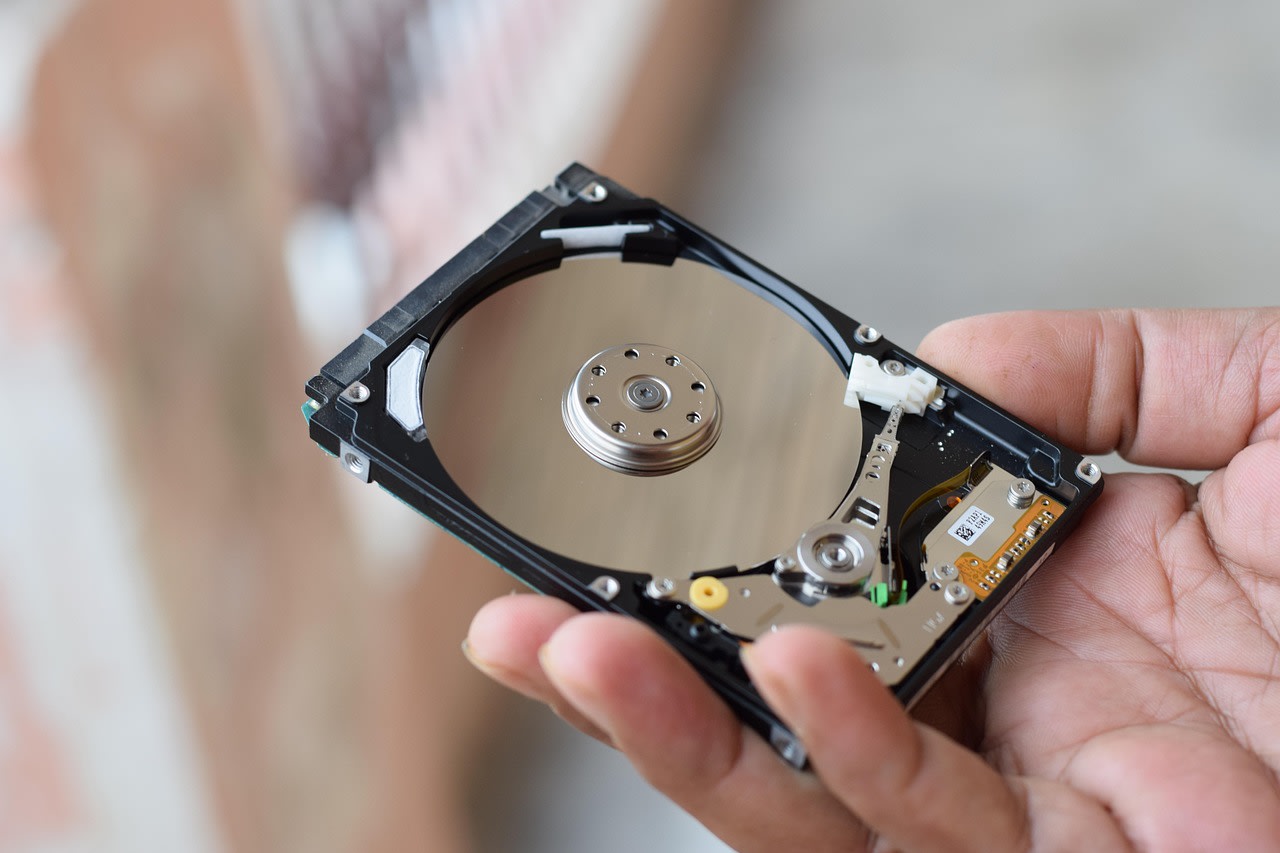


Introduction: From E-Waste to Always-On Gaming
Let's be honest—we've all got that drawer. You know the one. It's filled with old phones, tablets, and gadgets that "might be useful someday." For most people, that day never comes, and these devices eventually become electronic waste. But what if I told you that your old Galaxy S10, Pixel 4, or even an older device could become something genuinely useful right now?
That's exactly what one Redditor discovered when they posted about rescuing an S10 from the trash and transforming it into a 24/7 Minecraft server. The post sparked massive interest in the r/selfhosted community, with thousands of upvotes and hundreds of comments filled with questions, concerns, and "why didn't I think of that" moments.
In this guide, I'll walk you through everything you need to know about repurposing old Android phones as servers. We'll cover the technical setup, address the specific questions raised in that original discussion, and explore why this approach makes more sense in 2026 than you might think. Whether you're a DevOps engineer looking for an ultra-low-power solution or just someone who hates seeing good tech go to waste, you're in the right place.
Why Old Phones Make Surprisingly Good Servers
When that Reddit post first appeared, the most common reaction was surprise. "A phone? Running a server? Seriously?" But when you break it down, modern smartphones—even those from 2019 like the Galaxy S10—are incredibly capable devices.
Think about it: the S10 shipped with 8GB of RAM, a Snapdragon 855 processor (or Exynos 9820 depending on region), and up to 512GB of storage. That's more computational power than many dedicated servers from just a decade ago. The phone's ARM architecture is inherently power-efficient, and its integrated components mean there's no wasted energy on unnecessary peripherals.
But here's what really makes phones compelling for certain server workloads: they're designed to run 24/7. Battery management, thermal throttling, and power optimization are baked into their DNA. While they might not handle massive enterprise loads, for lightweight applications like a Minecraft server for a few friends? They're perfect.
One commenter in the original thread put it perfectly: "It's not about raw power—it's about the right tool for the job." A phone uses maybe 5-10 watts under load. A traditional desktop server? More like 50-100 watts. Over a year, that difference adds up to real money and environmental impact.
The Original Setup: What Actually Works
Let's get into the specifics of that original S10 setup, because several commenters had questions about the practical details. The OP mentioned using Termux—a terminal emulator and Linux environment for Android—along with a Java runtime to run the Minecraft server software.
Termux is the secret sauce here. It gives you a proper Linux environment without needing to root your device. You can install packages with apt, run scripts, and generally treat your phone like a tiny Linux server. For Minecraft specifically, you'd install OpenJDK (the open-source Java implementation), download the Minecraft server JAR file, and run it just like you would on any other Linux machine.
But here's where things get interesting: the original poster mentioned running it 24/7. This raised immediate questions about battery swelling, heat, and device longevity. And they're valid concerns. Running any device constantly at elevated temperatures isn't ideal for its long-term health.
The solution most experienced users recommend? Remove the battery if possible (though this is increasingly difficult with modern sealed phones), or at least keep the phone in a cool, well-ventilated area. Some commenters suggested using apps that limit charging to 80% to reduce battery stress. Others mentioned simply accepting that you're trading some device longevity for utility—a fair trade when the alternative was the trash.
Beyond Minecraft: What Else Can You Host?

While the original post focused on Minecraft, the discussion quickly expanded to other possibilities. And honestly, that's where things get really exciting. Once you've got Termux running, your old phone becomes a general-purpose Linux server.
Popular options mentioned in the thread included:
- Web servers for static sites or lightweight dynamic content
- VPN endpoints using WireGuard or OpenVPN
- Home automation hubs with Home Assistant or similar
- File servers using Samba or SFTP
- Monitoring systems like Grafana or Prometheus for your home network
- Chat servers for Matrix or IRC
One particularly clever suggestion was using multiple old phones to create a micro-cluster. While you wouldn't want to run Kubernetes on them (though someone in the thread claimed to have tried!), you could distribute different services across different devices. Your S10 runs Minecraft, an old Pixel runs your VPN, and that iPhone 8 you've been meaning to recycle? It could handle your monitoring dashboard.
The key is matching the workload to the device's capabilities. Memory is usually the limiting factor—Android itself needs some RAM, and Termux runs within that environment. For the S10 with 8GB, you've got maybe 4-6GB available for your actual server applications. That's plenty for many lightweight services.
Addressing the Concerns: Performance, Security, and Practicality
Now, let's tackle the elephants in the room. The original discussion had several recurring concerns that deserve honest answers.
Performance: "How many players can actually play on this thing?" was a common question. The answer depends on your world complexity, view distance, and whether you're using mods. For a vanilla Minecraft server with 4-6 players and a reasonable view distance? The S10 handles it surprisingly well. One commenter reported running a server for their family with three simultaneous players without issues. But if you're trying to host a public server with dozens of players and complex modpacks? Look elsewhere.
Security: Several users raised concerns about exposing Android devices to the internet. They're right to be cautious—Android isn't designed as a server OS. The consensus in the thread was to keep these devices behind a firewall, use VPNs for remote access, and never expose them directly to the open internet unless you really know what you're doing. Termux helps by providing a more contained environment, but it's not a substitute for proper security practices.
Practicality: "Why not just use a Raspberry Pi?" came up repeatedly. It's a fair question. Raspberry Pis are designed for this kind of thing, with proper cooling, GPIO pins, and community support. But here's the thing: most people don't have spare Raspberry Pis lying around. They do have old phones. And in 2026, with chip shortages still affecting single-board computer availability, using what you already have makes economic sense.
Step-by-Step: Setting Up Your Own Phone Server
Ready to try this yourself? Here's a practical guide based on the collective wisdom from that Reddit thread and my own testing with various devices.
First, choose your device. The S10 is great, but plenty of other phones work well too. Look for devices with at least 4GB of RAM, decent cooling, and preferably a removable back if you're concerned about battery longevity. Older flagship phones often work better than newer budget phones—they have better thermal management and more RAM.
Next, prepare your phone:
- Factory reset it to remove any personal data
- Disable automatic updates to prevent unexpected reboots
- Enable developer options and turn on "Stay awake while charging"
- Install Termux from F-Droid (the version on Google Play is outdated)
Now, the software setup in Termux:
pkg update && pkg upgrade
pkg install openjdk-17
pkg install wget
mkdir minecraft-server
cd minecraft-server
wget [latest Minecraft server JAR URL]
java -Xmx4G -jar server.jar nogui
That "-Xmx4G" flag is crucial—it tells Java to use a maximum of 4GB of RAM. Adjust based on your phone's available memory. Leave some overhead for Android and Termux itself.
For keeping the server running 24/7, most users recommended using tmux or screen within Termux to keep sessions alive. Some even set up simple monitoring scripts that would restart the server if it crashed. One particularly clever solution used Tasker (an Android automation app) to monitor the Termux session and send notifications if something went wrong.
Optimization Tips from the Community

The Reddit discussion was full of optimization tricks that make a real difference in performance and reliability. Here are the best ones:
Storage matters more than you think. Phones use flash storage that can wear out with constant writes. Minecraft servers do a lot of writing, especially with chunk updates. Several commenters recommended using an SD card for the world files if your phone supports it, or at least mounting a network share for storage-intensive operations.
Keep it cool. Thermal throttling is the enemy of consistent performance. One user suggested placing the phone on a laptop cooling pad. Another used a simple USB fan. Even just elevating the phone so air can circulate underneath helps.
Limit Minecraft's view distance. This is the single biggest performance knob you can turn. The default is often 10 chunks—try dropping it to 6 or 8. Most players won't notice the difference, but your phone will thank you.
Use PaperMC instead of vanilla. Several experienced server admins in the thread recommended PaperMC, an optimized Minecraft server implementation. It includes performance improvements and better memory management. For a resource-constrained device like a phone, these optimizations can make the difference between playable and laggy.
Consider your network setup. Phones typically only have WiFi, which introduces latency and potential disconnections. If possible, use a USB Ethernet adapter. They're cheap, and they make a noticeable difference in network stability. USB-C to Ethernet Adapter
Common Mistakes and How to Avoid Them
After reading through all 233 comments in the original thread, I noticed several recurring pitfalls. Here's what to watch out for:
Underestimating power needs. Just because your phone charger says "fast charging" doesn't mean it can sustain that output continuously. Some users reported their phones slowly discharging even while plugged in during heavy server loads. Use a quality charger that can deliver consistent power, and monitor your battery percentage over the first few days.
Forgetting about updates. Both Android and Termux packages receive updates. Unattended updates can break things. Set up a maintenance schedule to check for updates during off-peak hours, and always test updates on a non-critical service first.
Ignoring logs. Minecraft server logs can grow surprisingly large. One commenter mentioned their phone running out of storage because they never cleaned up logs. Set up log rotation or regular cleanup in a cron job.
Overcomplicating the setup. It's tempting to add mods, plugins, and custom configurations. But remember—you're running on constrained hardware. Start simple, get it stable, then add complexity gradually. The most successful implementations in the discussion were the simplest ones.
Not having a backup plan. Your phone server will fail eventually. Maybe the battery swells, maybe the storage wears out, maybe it just dies. Have regular backups of your world files, and be prepared to migrate to another device. Several users mentioned using automated backup scripts to sync their worlds to cloud storage.
The Bigger Picture: Sustainability in Tech
What started as a clever hack for running a Minecraft server points to something much larger: our relationship with electronic waste. The original poster didn't just save money—they kept a functional device out of a landfill.
Consider this: manufacturing a smartphone represents about 85% of its total carbon footprint. Using that device for an extra 2-3 years as a server effectively amortizes that environmental cost over more useful service. It's not just about the electricity saved compared to a traditional server—it's about extending the useful life of already-manufactured hardware.
In 2026, with increasing focus on sustainable technology practices, approaches like this are gaining mainstream attention. Companies are starting to design devices with repurposing in mind, and communities like r/selfhosted are leading the way in practical implementations.
One particularly inspiring comment in the original thread came from a teacher who used old donated phones to create a lab of servers for students to learn on. The devices were essentially free, the power costs were minimal, and students got hands-on experience with real server administration. That's the kind of creative thinking that changes how we view "obsolete" technology.
Conclusion: Your Old Phone Awaits Its Second Act
That Galaxy S10 in the original post was headed for the trash. Now it's providing entertainment for a group of friends, running 24/7 as a testament to what's possible when we look at old technology with fresh eyes.
The beauty of this approach isn't just that it works—it's that it democratizes self-hosting. You don't need specialized hardware or a big budget. You just need curiosity and a willingness to experiment. The community knowledge shared in that Reddit thread, combined with the tools available in 2026, makes this more accessible than ever.
So before you recycle that old phone, ask yourself: could it serve one more purpose? Maybe as a Minecraft server for your kids. Maybe as a VPN endpoint for secure browsing. Maybe as a monitoring station for your home network. The specific use matters less than the mindset—seeing potential where others see waste.
Start simple. Grab that old phone from your drawer, install Termux, and see what it can do. Join communities like r/selfhosted to learn from others. And if you get stuck, remember that sometimes the best solutions come from asking "what if" instead of "why." Your old devices have more to give—you just need to give them the chance.