
The Unseen Camera: When Your Local Hardware Store Becomes a Surveillance Hub
You're walking through Home Depot, comparing paint swatches or looking for a specific drill bit. You're thinking about your weekend project, your budget, maybe whether you need one more bag of mulch. What you're probably not thinking about is that the security camera above aisle 12 isn't just watching for shoplifters. It might be watching you, and that footage could be heading straight to Immigration and Customs Enforcement (ICE).
That's the unsettling reality brought into sharp focus by a January 2026 Reuters report. A group of Home Depot investors filed a shareholder proposal demanding the company assess the civil rights and privacy risks of how law enforcement—specifically ICE—uses its security data. This isn't just another privacy activist campaign. This is different. This is money talking. Financial stakeholders, the people who measure risk in dollars and cents, are now factoring digital privacy and human rights into their valuation models. And that changes everything.
In this article, we'll break down exactly what's happening, why it matters far beyond the garden center, and what you can actually do about it. This is about the quiet infrastructure of surveillance that's built into everyday life, and the new front where it's being challenged.
From Checkout Lanes to Checkpoints: The ICE-Home Depot Data Pipeline
Let's start with the mechanics. How does data from a home improvement store end up with a federal immigration agency? The pathway is often less a formal, neon-lit pipeline and more a series of connected backdoors and informal requests.
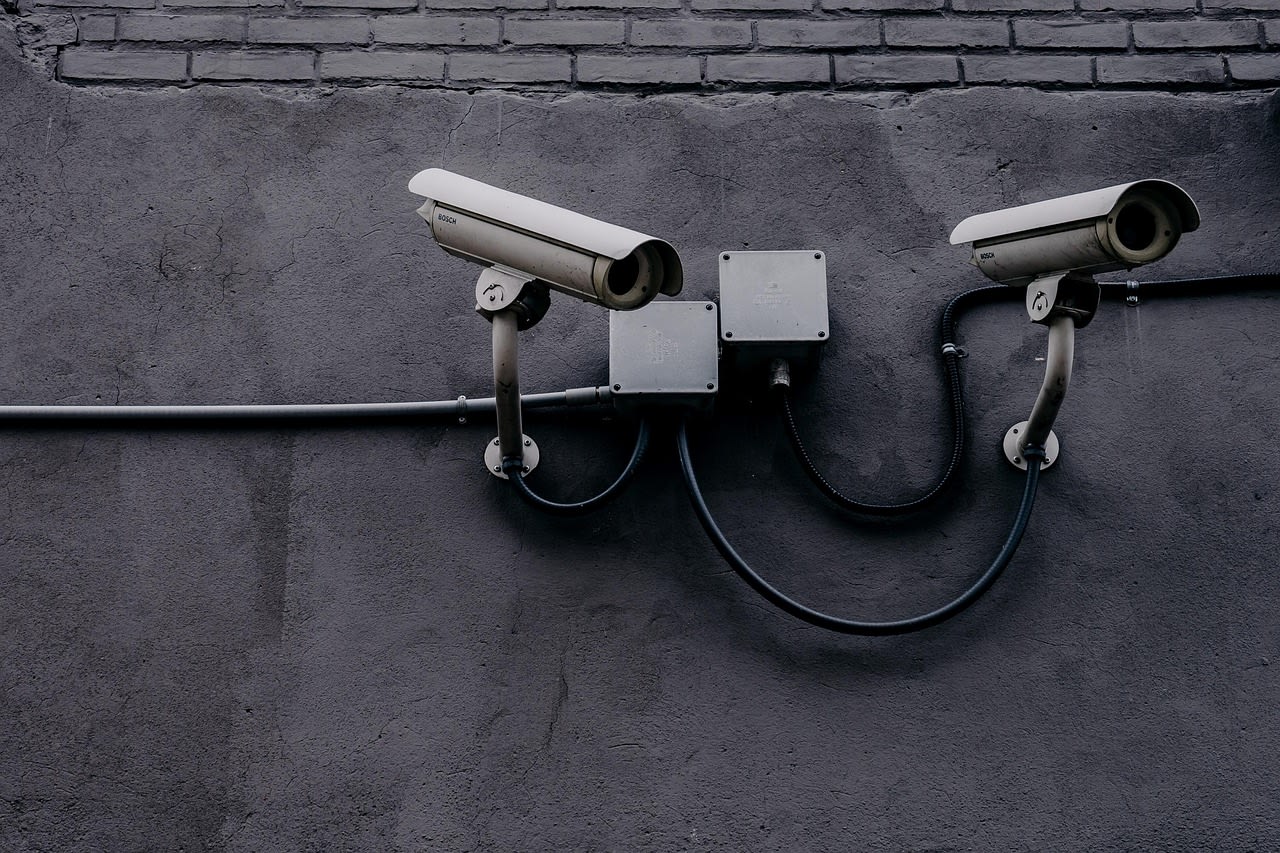
Major retailers like Home Depot have massive, networked surveillance systems. We're talking high-definition cameras, often with facial recognition capabilities, license plate readers in parking lots, and sometimes even audio recording. This data is stored on corporate servers. Law enforcement agencies, including ICE, can access this data through several channels:
- Voluntary Sharing: Companies can choose to share footage proactively or in response to informal requests. There's often no warrant or subpoena required.
- Subpoenas and Warrants: More formal legal requests, though the legal threshold can be surprisingly low for certain types of data.
- Third-Party Data Brokers: This is the shadowy backchannel. Surveillance footage and analytics can be packaged and sold by third-party vendors who aggregate data from multiple retailers. ICE can purchase access to these databases, effectively circumventing any direct request to Home Depot.
The investors' concern, and it should be yours too, is that Home Depot has no clear, public policy governing this flow of data. Who approves these requests? What legal standard is applied? Is there any oversight to ensure the data isn't used for racial profiling or to target communities? The silence is the problem.
Why Investors Care: Privacy as a Financial Liability
This is the core insight from the Reddit discussion that's so crucial. For years, privacy advocates have shouted about ethics. Corporations often nodded politely and did little. But when investors start asking questions, the conversation shifts from the ethics department to the legal and risk management departments. And those departments speak a language everyone understands: money.
Here’s how privacy becomes a balance sheet issue:
Reputational Damage: Being publicly linked to ICE enforcement actions, especially controversial raids, can trigger consumer boycotts and brand erosion. In 2026, consumers are more aware and more willing to vote with their wallets. A single viral news story about a family being separated due to store surveillance can cost millions in lost revenue and decades of brand goodwill.
Legal and Regulatory Risk: The regulatory landscape is shifting. States like California have robust privacy laws (CCPA), and others are following. The EU's GDPR has shown that data misuse can result in fines worth billions. If Home Depot is found to have improperly shared data, or shared it in a way that facilitated civil rights violations, the lawsuits and fines could be astronomical. Investors are essentially asking: "What's our potential liability here?"
Operational Risk: If a significant portion of a store's customer base or workforce begins to avoid it due to surveillance fears, that directly impacts sales and operations. It's bad for business if your customers are afraid to walk through your doors.
The shareholder proposal is a cold, financial calculation: unmanaged surveillance data is a latent risk, and latent risks can explode into massive costs. It's a smarter, more cynical, and potentially more effective form of pressure.
Your Data Trail in a DIY Store: More Than You Realize
Okay, so they have cameras. Big deal, right? It's more than just a video feed. Think about the digital breadcrumbs you leave during a simple store visit.
You might use the Home Depot app for a map or inventory check. That links your identity to your in-store location in real-time. You might pay with a credit card, linking your name and purchase history to a specific time and register. You might use their free Wi-Fi, which can capture your device's unique MAC address. Your car's license plate is scanned upon entry.
Now, layer facial recognition on the security cameras. Suddenly, that anonymous video feed is tagged to "John Doe, who entered at 2:15 PM, drove a blue Honda with plate XYZ123, browsed in plumbing for 12 minutes, bought a pipe wrench and a garden hose, and used the app to check mulch prices."
Individually, these data points seem minor. Aggregated, they create a shockingly intimate portrait of your life—your habits, your projects, your schedule. And if this profile is shared with ICE, it's not about shoplifting anymore. It could be about establishing patterns of life, identifying associates, or confirming residence. The context of the data collection (retail security) is completely divorced from the context of its potential use (immigration enforcement). That's the fundamental breach of trust.
The Bigger Picture: This Is Every Store, Not Just Home Depot
Don't make the mistake of thinking this is a Home Depot-exclusive issue. It's a case study. This same dynamic is playing out in grocery stores, shopping malls, pharmacies, and big-box retailers nationwide. Home Depot is just the one currently in the crosshairs.
The retail industry has quietly become one of the largest, most pervasive surveillance networks in the country. It's privatized, lightly regulated, and integrated into the fabric of daily life. The technology is cheap and getting cheaper. The investors targeting Home Depot know this. They're using it as a test case to establish a precedent. If they can force transparency and policy changes at a Fortune 50 company like Home Depot, that blueprint can be applied across the sector.
The Reddit discussion rightly pointed out that this is a systemic issue. Focusing solely on Home Depot lets other actors off the hook. The question for consumers becomes: which company is next? And am I comfortable shopping anywhere under this blanket of silent observation?
Practical Self-Defense: How to Shop in an Age of Retail Surveillance
You can't stop shopping, but you can shop more carefully. Here are concrete steps you can take to reduce your digital footprint in retail spaces. This isn't about paranoia; it's about practical minimization.
1. Ditch the Store Apps and Loyalty Cards: This is the lowest-hanging fruit. That app that gives you "exclusive deals" is a data-harvesting tool. The loyalty card that "saves you money" links every purchase directly to your identity. Use them only if you're comfortable with that trade-off. Often, the savings aren't worth the privacy cost.
2. Pay With Cash: It's old school, but it works. A cash transaction is anonymous at the point of sale. If you must use a card, consider using a pre-paid gift card purchased with cash for an extra layer of separation.
3. Manage Your Phone's Connectivity: Turn off Wi-Fi and Bluetooth before entering a store. This prevents your phone from probing for networks (which reveals your presence) and connecting to store beacons. Use your mobile data instead.
4. Be Aware of Camera Placement: This sounds extreme, but simple awareness helps. Hats and sunglasses can slightly reduce the efficacy of facial recognition, though advanced systems can often work around them. More importantly, just knowing you're on camera changes your mindset.
5. Use Privacy-Focused Tools for Research: Instead of using the store's app to check inventory, use their website in a privacy-focused browser like Brave or Firefox with strict tracking protection. Better yet, call the store. Old-fashioned, but effective.
Think of it as digital hygiene for the physical world. You don't have to be perfect, but every step reduces the resolution of the picture they can build of you.
Beyond Self-Help: How to Apply Pressure Where It Counts
Individual action is important, but systemic change requires pressure on the system itself. The Home Depot investor move shows us where the leverage points are.
Contact Shareholders and Investment Funds: If you own stock, even through a retirement fund, you have a voice. File shareholder resolutions or vote for those that promote privacy. Write to the fund managers of your 401(k) or IRA and ask how they're voting on these issues. The find a freelance financial writer on Fiverr can help you draft a compelling letter if this isn't your forte.
Support Investigative Journalism and Research: The Reuters story didn't come from nowhere. It came from reporters digging. Support outlets that do this work. Furthermore, understanding the data broker ecosystem is key. For the technically inclined, tools like the Apify Platform can be used to ethically scrape and analyze public data about corporate practices and data broker listings, helping to map this shadowy network.
Demand Legislative Action: Tell your local, state, and federal representatives that you support laws like the Fourth Amendment Is Not For Sale Act, which aims to stop law enforcement from buying data from brokers without a warrant. Without strong laws, corporate policies are just promises.
Speak Directly to Corporations: Write to Home Depot's board of directors and its CEO. Ask for their public policy on data sharing with law enforcement and ICE. Ask for transparency reports. Be polite, be persistent, and frame it as a customer concern. They count those.
Common Myths and Mistakes: What People Get Wrong
Let's clear up some confusion that popped up in the online discussions.
Myth 1: "I have nothing to hide, so I don't care." This misunderstands power dynamics. It's not about hiding; it's about controlling your own information. You close your bathroom door not because you're doing something wrong, but because it's private. Surveillance shifts control from you to the watcher, who defines what "something to hide" means. Today it might be immigration status; tomorrow it could be political affiliation, health data, or something not yet invented.
Myth 2: "This is just about illegal immigrants." Surveillance systems are indiscriminate. They collect data on everyone. The *use* of the data might target a specific group, but the collection is universal. Your data is swept up in the same net. Furthermore, flawed facial recognition and algorithmic bias mean citizens are regularly misidentified, leading to frightening consequences.
Mistake: Focusing only on the national level. While ICE is a federal agency, local police departments also have wide-ranging access to retail surveillance systems through fusion centers and data-sharing agreements. The problem is local, too. Check your local police department's policies on data acquisition.
Mistake: Assuming cash is completely anonymous. While cash is best for transaction anonymity, you're still on video. If you use a loyalty card one time and pay cash nine times, sophisticated analytics can link those cash transactions back to you based on your shopping patterns, time of visit, and appearance. The goal is to make that linkage as hard as possible, not impossible.
The New Front Line: Your Wallet and Your Vote
The Home Depot story in 2026 isn't an ending. It's a beginning. It marks the moment when the cold logic of finance collided with the warm, messy reality of human privacy. Investors are finally starting to see that bad privacy practices aren't just a "PR issue"—they're a material risk that can crater a company's value.
For you, the takeaway is twofold. First, protect yourself with the practical steps we discussed. Start thinking of stores not just as places to buy things, but as data collection points. Adjust your behavior accordingly.
Second, and more importantly, amplify the pressure. Support the investors, journalists, and lawmakers who are asking the hard questions. We've moved beyond asking corporations to "please be ethical." We're now in an era where we must demand they be transparent and accountable, because their financial backers are starting to realize it's in their own best interest.
The cameras in aisle 12 aren't going away. But the rules about who gets to watch the feed—and why—are still being written. Make sure you have a say in how that story ends.