
Introduction: A Digital Line in the Sand
Here's a question that's about to get very real for Greek families: What happens when your government decides your 14-year-old shouldn't have a TikTok account? In early 2026, Greece is preparing to drop what might be the Western world's most aggressive digital age restriction—a complete ban on social media access for anyone under 15. According to Reuters, this isn't just speculation anymore. A government source has confirmed the announcement is imminent.
But here's what most news outlets aren't telling you: This isn't just about protecting kids. It's about creating a massive, real-world experiment in digital enforcement, privacy trade-offs, and the very definition of childhood in the internet age. And if you think this doesn't affect you because you don't live in Greece, think again. Where one country goes, others often follow—especially when it comes to regulating the digital wild west.
In this deep dive, we're going beyond the headlines. We'll explore what this ban actually means for privacy, how it might be enforced (spoiler: it's messy), and what tools families are already discussing to navigate this new reality. Because when a government tries to build a wall in cyberspace, people start looking for ladders.
The Greek Proposal: What We Actually Know
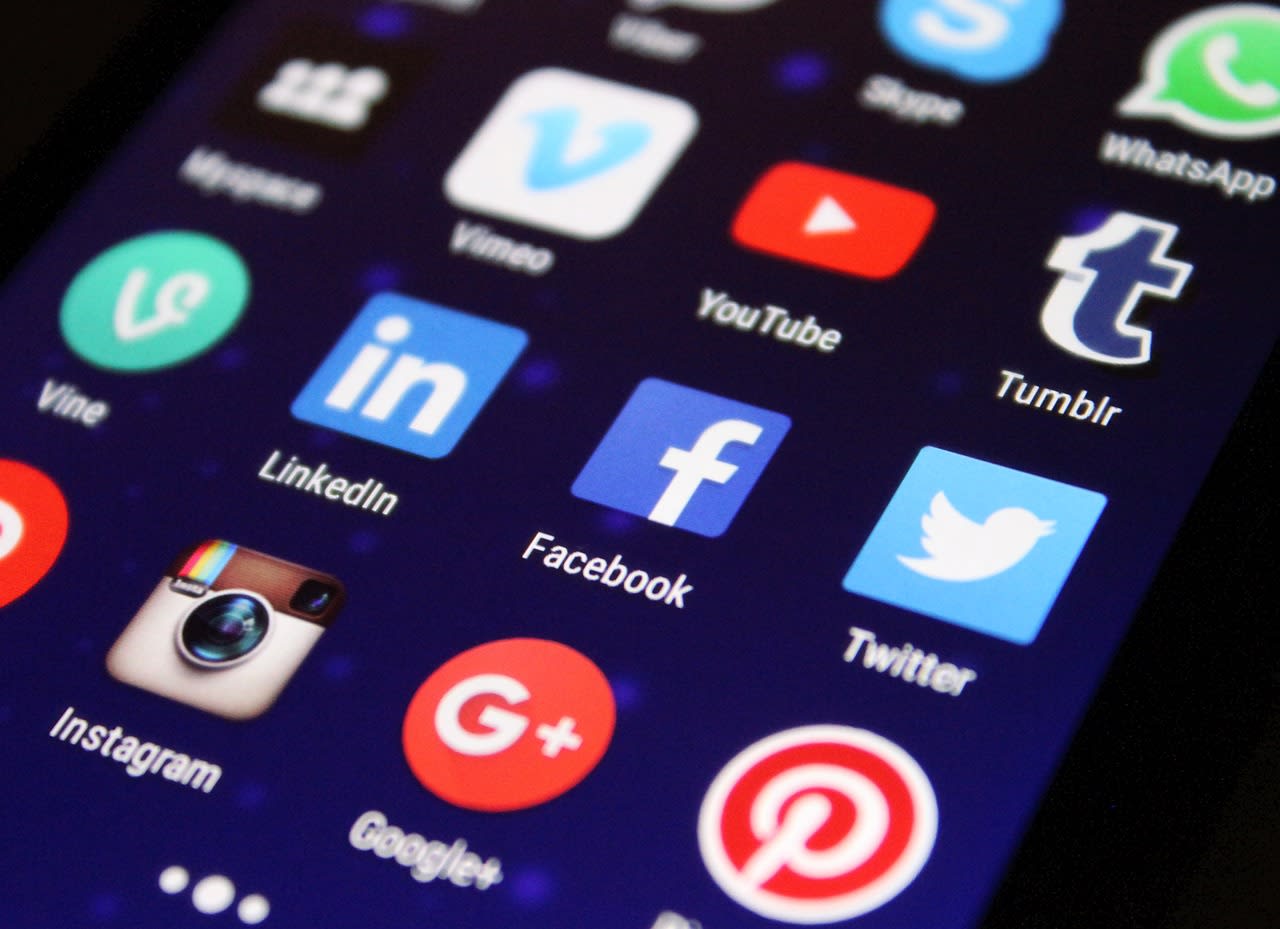
Let's start with the facts, because there's already plenty of speculation floating around. The Reuters report indicates Greece plans to "soon announce" this ban, with implementation expected later in 2026. The core mechanism? Age verification at the point of account creation for social media platforms. Think Instagram, TikTok, Snapchat, Facebook—the usual suspects where teens congregate.
But here's where it gets technically interesting. The Greek government isn't just asking platforms to add a "Are you over 15?" checkbox. They're reportedly considering linking verification to national identity systems. We're talking about potential integration with police-issued digital IDs or other government databases. That immediately raises the stakes from simple policy to profound privacy questions.
Prime Minister Kyriakos Mitsotakis has framed this as a mental health imperative, citing concerns about cyberbullying, inappropriate content, and the impact of algorithms on developing brains. And look—those concerns are real. Anyone who's watched a kid fall down a TikTok rabbit hole knows the platform wasn't designed with adolescent psychology in mind. But the solution? A blanket ban that treats a 14-year-old the same as a 5-year-old? That's where the conversation in privacy circles gets heated.
The Privacy Paradox: Protection vs. Surveillance
This is the central tension that had the r/privacy community buzzing. On one hand, you have legitimate concerns about data harvesting from minors. Social media platforms are data extraction machines, and children are particularly vulnerable targets. The business model of most platforms involves building detailed behavioral profiles—what you like, what you watch, who you talk to, even how long you hesitate before scrolling.
But here's the paradox: To enforce an age-based ban, you need to verify age. And to verify age digitally at scale, you typically need to collect... more personal data. Government ID verification means platforms (or their verification partners) get access to official identification documents. Even if they use "privacy-preserving" methods like zero-knowledge proofs, the infrastructure still requires checking against some authoritative database.
"So we're trading corporate surveillance for government-approved surveillance?" one Reddit commenter put it bluntly. They have a point. The verification system itself becomes a new data collection point, a new potential breach vector, and a new way to track who's trying to access what. For privacy advocates, this feels like solving a leak by installing security cameras in every bathroom—you might catch the culprit, but at what cost to everyone's dignity?
Technical Enforcement: The Cat-and-Mouse Game Begins

Okay, let's get practical. How would this ban actually work? I've been testing age verification systems for years, and I can tell you: None are foolproof. Most social media platforms currently use self-declaration ("Enter your birth date") which a determined 12-year-old can bypass in seconds. Greece's proposal presumably wants something stronger.
The likely candidates:
- Government ID upload: You submit a photo of your ID card or passport. Platforms use AI to verify it's real and check your birth date. Problem? Creates a massive database of IDs vulnerable to hacking. Also excludes kids without official ID.
- Bank account verification: Some European systems use bank credentials (which are age-verified) to confirm age. But this requires linking financial and social media accounts—a privacy nightmare.
- Parental consent portals: Parents verify their own identity, then grant permission for their child. This shifts burden to parents and creates complex family dynamics.
And then there's the geolocation problem. What stops a Greek teen from using a VPN to appear in Germany, where no such ban exists? Or using a foreign SIM card? Or accessing platforms through Tor? The technical arms race is inevitable. Every restriction creates a market for circumvention tools.
The VPN Question: Privacy Tool or Ban Evasion?
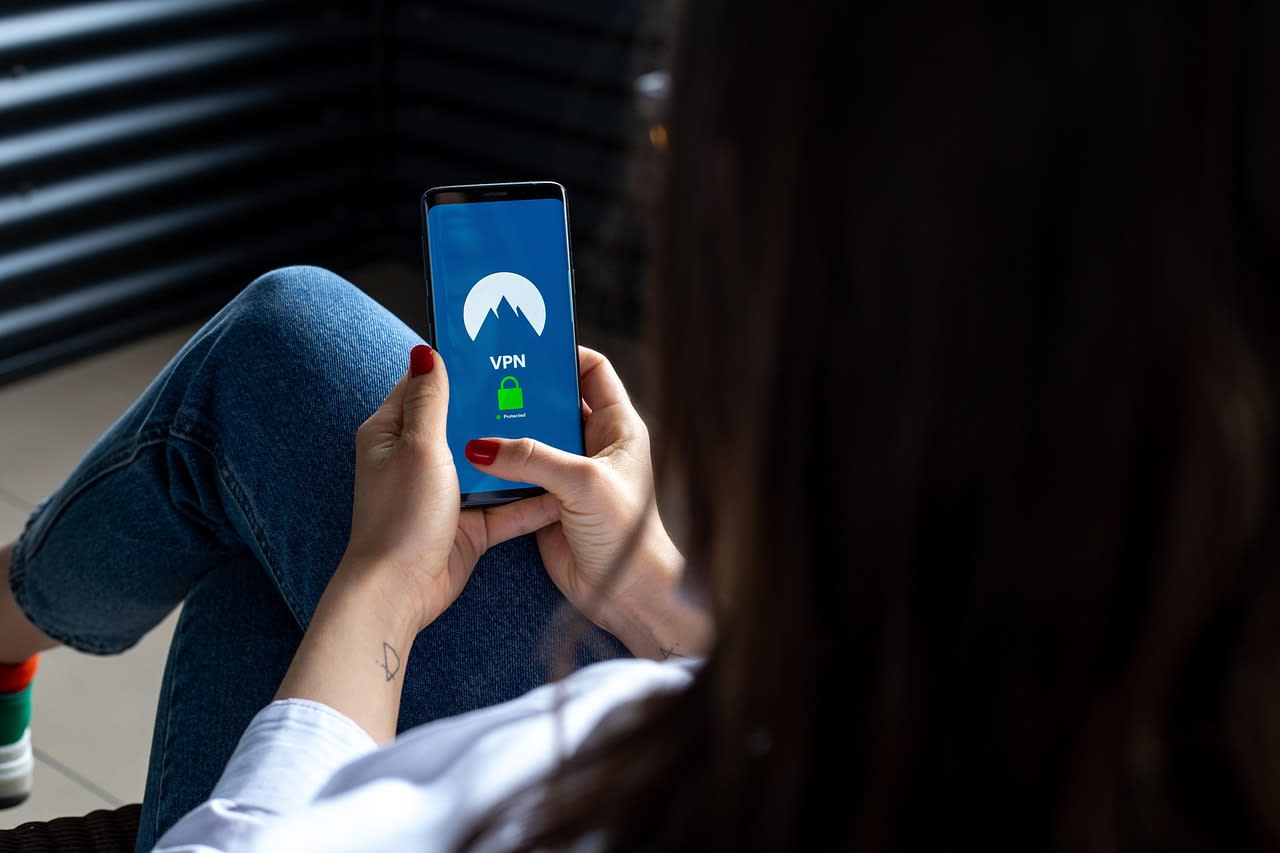
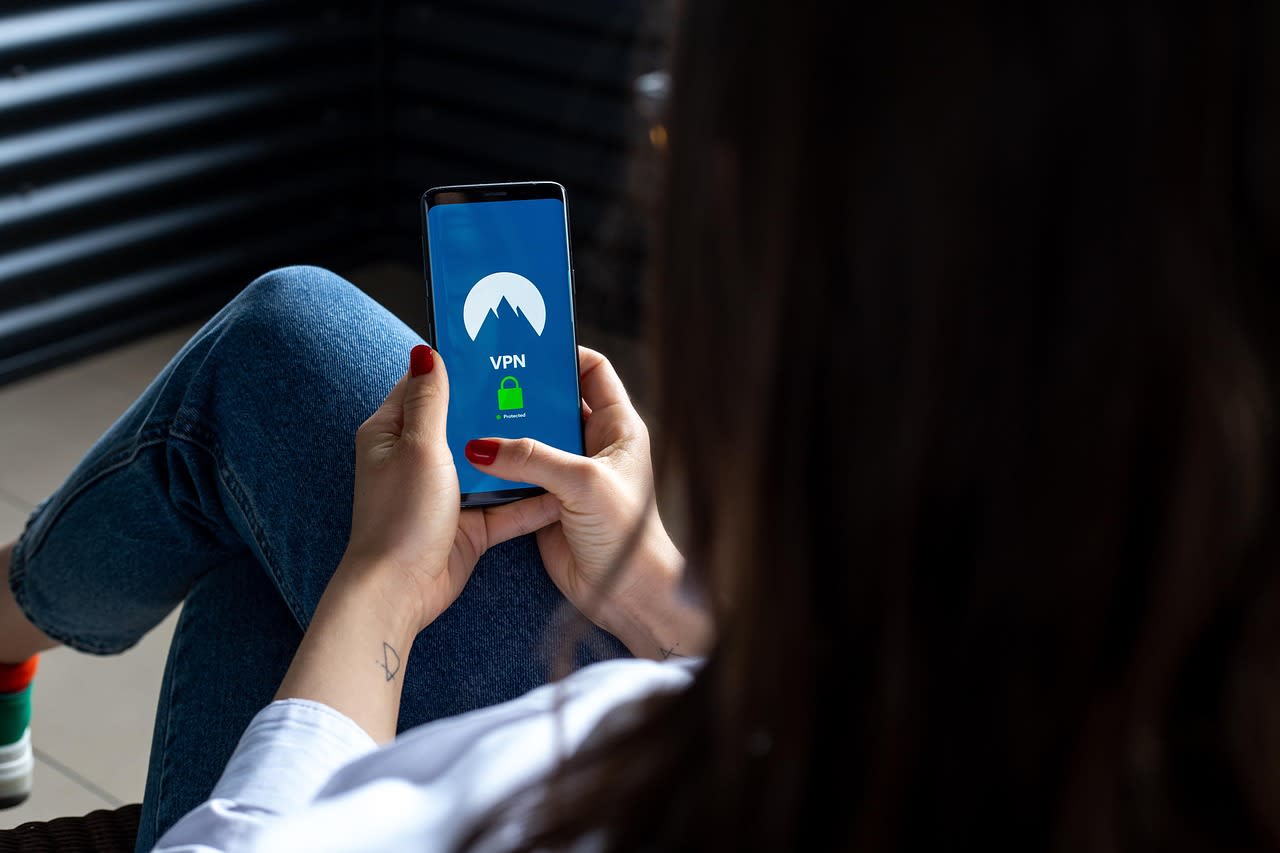
Speaking of VPNs—this is where our category gets particularly relevant. In the r/privacy discussion, VPNs came up repeatedly as both a solution and a complication. For privacy-conscious families, VPNs are essential tools for encrypting traffic and hiding online activity from ISPs and potential eavesdroppers. They're digital seatbelts in a world of data collisions.
But in the context of Greece's ban, VPNs suddenly take on a different role: potential ban-evasion tools. A Greek teen could theoretically connect to a VPN server in Italy, create a social media account with an Italian address, and bypass the age restriction entirely. Platforms might try to block known VPN IP addresses, but VPN providers constantly rotate their IPs. It's whack-a-mole at internet scale.
Here's my take: This creates a weird incentive structure. Parents who want to protect their children's general privacy might use a VPN at the household level. But that same VPN could inadvertently enable the very access the ban seeks to prevent. Do you prioritize overall privacy or specific age-based restrictions? It's not an easy choice.
Parental Controls vs. Government Controls: Who Decides?
This was perhaps the most passionate thread in the original discussion. Many commenters argued that internet regulation should happen at the family level, not the national level. "I'd rather use scraping tools to monitor public posts than have the government decide what my kid can access," one technically-minded parent commented. Their point was about maintaining agency.
The tools already exist for concerned parents. You've got everything from router-level filtering to dedicated parental control apps that monitor screen time and block specific platforms. Some even use AI to flag concerning conversations. Parental Control Routers have gotten sophisticated enough to pause internet access on specific devices during homework hours.
But here's the reality check: Not all parents have the technical knowledge or time to implement these systems effectively. And even with the best tools, determined teens often find workarounds. The Greek government's approach essentially says, "Since some parents can't or won't protect their kids, we'll protect all kids." It's the digital equivalent of banning skateboards because some kids don't wear helmets.
The Slippery Slope: What Gets Banned Next?

Privacy advocates have a legitimate concern about precedent. If social media for under-15s gets banned today, what gets restricted tomorrow? Several Reddit commenters pointed to other countries considering similar measures. Some mentioned gaming platforms, others pointed to messaging apps. Once the enforcement infrastructure exists—that age verification backend—it becomes tempting to expand its use.
"First they came for the TikTok teens, but I wasn't a TikTok teen..." one commenter paraphrased the famous poem. Their concern wasn't about this specific ban, but about the normalization of age-gating entire categories of internet access. Where's the line? Should 16-year-olds be banned from political forums? Should 17-year-olds need verification to read news sites?
And there's a commercial dimension too. Age verification isn't free. The cost either gets absorbed by platforms (who pass it to users via more ads or subscriptions) or by governments (via taxes). Smaller platforms might simply block all Greek users rather than implement expensive verification. That reduces competition and entrenches the big players who can afford compliance.
Practical Steps for Privacy-Conscious Families
Let's say you're a parent in Greece come 2026. Or maybe you're elsewhere but facing similar restrictions. What do you actually do? Based on my experience with digital privacy tools, here's a realistic approach:
First, separate privacy from access. Use a VPN for general browsing regardless of the ban. I recommend services with strong no-log policies and obfuscated servers. This protects your family's data from ISPs and potential surveillance. The ban evasion possibility is a side effect, not the primary purpose.
Second, have the conversation early. If your 14-year-old can't access Instagram legally, they'll hear about workarounds from friends. Better they hear about the risks from you. Discuss why the ban exists (mental health, data privacy) rather than framing it as arbitrary restriction.
Third, consider alternative platforms. This might be an opportunity to explore federated or decentralized social media where age verification isn't required. Platforms like Mastodon or PixelFed have smaller communities but better privacy defaults. The experience is different—less algorithmic, more conversational.
Fourth, if you need technical help implementing controls, don't hesitate to hire a professional who can set up your home network properly. A few hours of expert consultation can save you months of frustration.
Common Questions (And Straight Answers)
"Won't this just push kids to darker corners of the internet?"
Probably, yes. When mainstream platforms become inaccessible, users migrate to less-moderated spaces. This could mean encrypted messaging apps, forums with no age checks, or even peer-to-peer networks. The safety trade-off is real—better to have teens on a moderated Instagram than on an unmoderated Telegram channel.
"What about educational uses of social media?"
Good point. Many teachers use TikTok for science demos or Instagram for art history. School clubs use social media for organization. The ban presumably wouldn't have exceptions for educational use, which creates tension with modern teaching methods.
"How will this affect Greek teens socially?"
This is the human cost rarely discussed in policy debates. Social media isn't just entertainment—it's how teens coordinate meetups, share homework help, and maintain friendships. A 14-year-old excluded from their class's group chat isn't just missing memes; they're missing social connection.
"Can platforms even implement this technically?"
They can, but it'll be messy. Expect verification failures, false positives, and customer service nightmares. And remember—platforms have financial incentive to maximize users, not restrict them. Their compliance might be minimal rather than enthusiastic.
The Bigger Picture: Digital Citizenship vs. Digital Exclusion
Here's what keeps me up at night about these kinds of bans. We're raising the first generation of digital natives, but instead of teaching them to navigate the online world responsibly, we're considering just... locking them out until they're older. It's like waiting until someone's 16 to teach them to cross the street because roads are dangerous.
Digital literacy—understanding privacy settings, recognizing misinformation, managing screen time—these are skills. And skills develop through practice with guidance. A blanket ban replaces education with prohibition. The teen who first gets social media at 15 has zero experience with digital boundaries, comparison culture, or algorithmic manipulation. They're thrown into the deep end with no swimming lessons.
Maybe there's a middle path. What if instead of banning access, we mandated privacy-by-default settings for minors? Or required platforms to turn off algorithmic feeds for under-18s? Or funded digital literacy programs in schools? These approaches address the harms without creating an all-or-nothing access model.
Conclusion: Your Privacy, Your Choice
Greece's proposed ban is more than a policy change—it's a signal. It tells us that governments are willing to take drastic steps to regulate the digital environment, even when those steps create new privacy dilemmas. As 2026 approaches, we'll watch how this unfolds: the technical implementation, the legal challenges, the unintended consequences.
For now, here's my advice: Don't wait for legislation to protect your family's privacy. Start the conversations about online safety now. Implement the tools that make sense for your values. And remember—in the digital age, privacy isn't just about hiding; it's about maintaining control over your own experience.
The Greek experiment will teach us plenty about what doesn't work. Let's make sure we're also building what does.