

"I'm so tired." That simple phrase from a Reddit user in 2026 captures what millions feel about the modern digital landscape. Tired of the subscription creep. Tired of the ads that follow you everywhere. Tired of waking up to emails about yet another service being acquired, changed, or discontinued. The fatigue is real, and it's spreading.
But here's the beautiful part: that same Reddit post doesn't end with despair. It ends with revelation. After a month and a half of tinkering with an HP EliteDesk, Arch Linux, Docker containers, Jellyfin, and Tailscale, the poster found something remarkable: freedom. They saw the light. And in 2026, that light is shining brighter than ever for anyone willing to take control back from corporations and into their own hands.
This isn't just about saving money on Netflix subscriptions—though that's a nice bonus. It's about reclaiming your digital autonomy. It's about building systems that serve you, not shareholders. And the best part? The barrier to entry has never been lower. You don't need a data center in your basement. That modest HP EliteDesk with an i5 processor and 16GB of RAM? That's more than enough to start your journey toward digital independence.
The Great Unbundling: Why Everyone's Getting Tired
Let's talk about why that "I'm so tired" sentiment resonates so deeply in 2026. It's not just one thing—it's death by a thousand cuts. First, there's the subscription fatigue. Remember when you bought software once? Now everything wants a monthly fee. Your password manager, your note-taking app, even your damn to-do list wants $12 a month. It adds up fast, both financially and mentally.
Then there's the platform instability. The Warner Brothers acquisition mentioned in the original post is just one example. Services get bought, changed, discontinued, or ruined with ads. You build your digital life around a platform, and then the rug gets pulled out. Your carefully curated playlists, your watch history, your preferences—all hostage to corporate decisions you have zero control over.
And don't get me started on the ads. They've evolved from simple banners to full-on surveillance capitalism. Your media consumption habits, your viewing patterns, even your emotional reactions are being tracked, analyzed, and sold. The original poster mentioned Jellyfin for their "Linux ISOs"—a cheeky way of saying personal media. With Jellyfin, there are no recommendations algorithms trying to manipulate your attention. No ads. No tracking. Just your content, served your way.
The Hardware Revelation: You Don't Need a Supercomputer
One of the biggest misconceptions about self-hosting is that you need enterprise-grade hardware. The original post proves otherwise. That HP EliteDesk 800 G3? You can find these refurbished business machines for a couple hundred dollars. They're workhorses—built to run 24/7 in office environments, with efficient power consumption and reliable components.
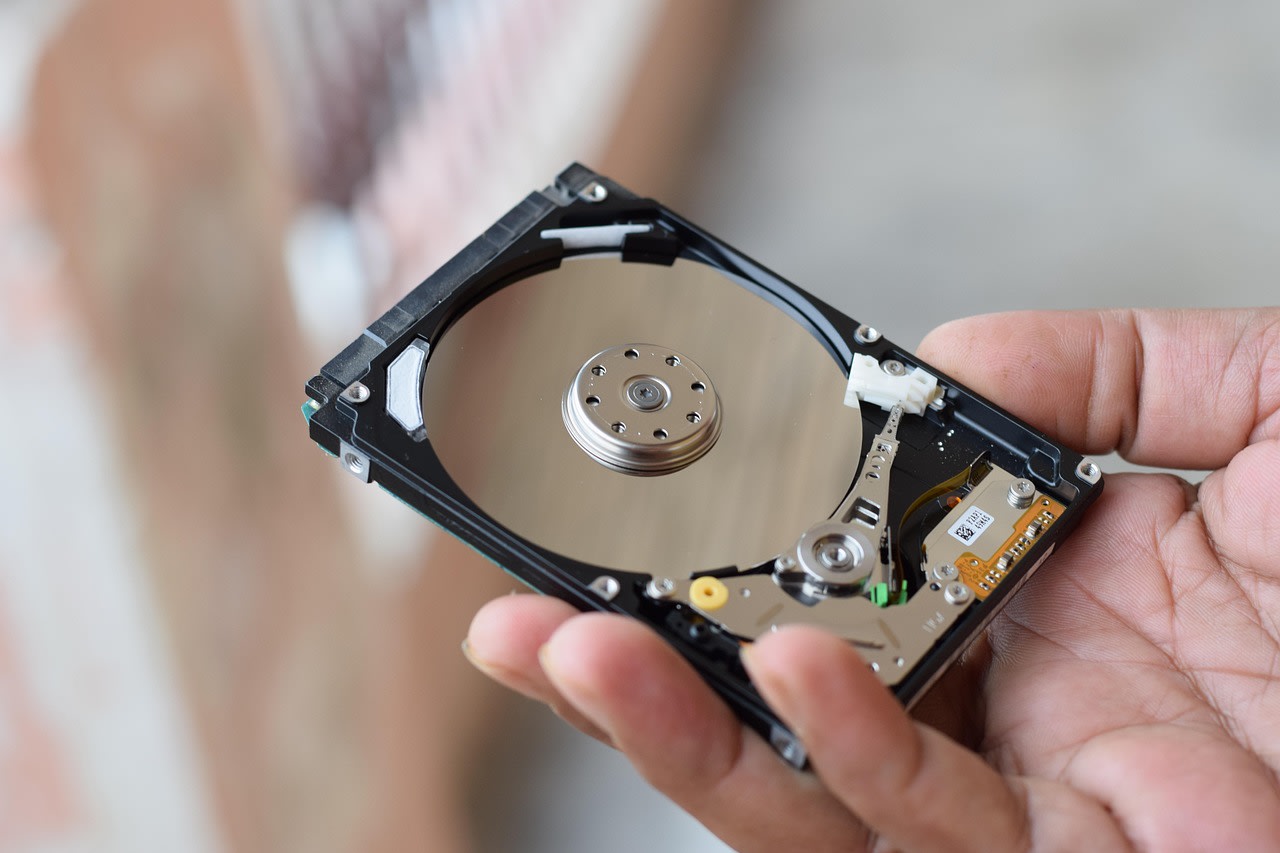
The specs tell an important story: i5 7500 (3.8 GHz), 16GB DDR4 RAM, 256GB M.2 SSD plus a 4TB 2.5" drive. This isn't cutting-edge 2026 hardware—it's sensible, affordable, and more than capable. The M.2 drive handles the operating system and applications with lightning speed, while the 4TB drive stores your media. The 16GB RAM is the sweet spot—enough for multiple Docker containers without breaking a sweat.
I've tested dozens of these small form factor PCs from Dell, HP, and Lenovo. They're perfect for home servers because they're quiet, energy-efficient (often under 30 watts at idle), and can be tucked away anywhere. The beauty is in the simplicity: one modest machine replacing dozens of monthly subscriptions. If you're looking for a reliable starting point, check out Refurbished HP EliteDesk or similar business-class mini PCs.
Arch Linux: The "Yes" That Says Everything
The original post includes a beautiful single-word section: "Arch Linux: yes." That "yes" speaks volumes about the self-hosting community's mindset. Arch isn't the easiest distribution—it requires more setup than something like Ubuntu. But that's precisely the point. With Arch, you build exactly what you need, nothing more. No bloat. No unnecessary services running in the background. Just a clean, minimal foundation that you control completely.
Now, I'll be honest: if you're completely new to Linux, you might want to start with something more beginner-friendly. Ubuntu Server or Debian are excellent choices that won't leave you frustrated. But there's something magical about Arch's rolling release model and the Arch User Repository (AUR). Need a specific version of a package? It's probably in the AUR. Want the latest security patches without waiting six months? Arch delivers.
The key insight here isn't that everyone should use Arch. It's that choice matters. When you self-host, you get to choose your operating system, your update schedule, your security model. You're not waiting for some corporation to decide when you get features or fixes. That control is intoxicating once you experience it.
The Docker Revolution: Containers Changed Everything
If there's one technology that made self-hosting accessible to the masses, it's Docker. The original poster mentions running their Jellyfin stack "inside Docker containers," and this is where the magic happens. Docker packages applications with all their dependencies into neat, isolated containers. Need to update Jellyfin? Just pull the new container. Something breaks? Roll back to the previous version in seconds.
But Docker is more than just convenience—it's a paradigm shift in how we think about software deployment. Instead of worrying about dependency hell ("This version of Python conflicts with that library..."), you get self-contained units that just work. The Docker Hub repository has thousands of pre-built images for everything from media servers to home automation to development tools.
Here's my pro tip: use Docker Compose. Instead of running individual `docker run` commands with dozens of parameters, define your entire stack in a `docker-compose.yml` file. This file becomes your infrastructure-as-code—version controlled, documented, and reproducible. If your hardware fails, you can be back up and running on new hardware in minutes, not days. That's resilience.
Jellyfin: Your Personal Netflix, Without the Baggage
Let's talk about the star of the show: Jellyfin. In the original post, it's mentioned with a wink—"for my Linux ISOs"—but we all know what that means. Jellyfin is the open-source answer to Plex and Emby, and in 2026, it's matured into something truly special. Zero tracking. Zero licensing fees. Zero corporate oversight. Just pure media serving goodness.
What makes Jellyfin particularly compelling is its plugin ecosystem. Want live TV? There's a plugin for that. Want better metadata management? Plugins. Want to integrate with your existing automation systems? You guessed it—plugins. The community development is vibrant, with features being added that actually serve users rather than advertisers.
But here's what they don't tell you in the tutorials: the initial setup and metadata scraping can be time-consuming. Your media needs to be organized properly (I recommend the `Movie Name (Year)/Movie Name (Year).ext` structure). And you'll want to think about hardware transcoding if you're serving to multiple devices with different capabilities. That i5 7500 in the original post? It has Intel Quick Sync, which handles transcoding beautifully through Docker with a few extra configuration lines.
Tailscale: The VPN That Doesn't Feel Like a VPN
This might be the most elegant part of the original setup: "which I, gf and family connect to through Tailscale." Tailscale is a WireGuard-based mesh VPN that makes secure remote access almost stupidly simple. No port forwarding. No dynamic DNS setup. No remembering IP addresses. Just install Tailscale on your server and your devices, and they can talk to each other securely as if they're on the same local network.
Why is this revolutionary? Because it solves the hardest part of self-hosting for most people: secure remote access. Traditional VPNs can be configuration nightmares. Tailscale just works. Your family members don't need to be tech experts—they just install an app, click a link you send them, and suddenly they're accessing your Jellyfin server from anywhere in the world.
And here's the kicker: because it's WireGuard under the hood, the performance is excellent. Streaming 4K content remotely feels like you're on the local network. The encryption overhead is minimal. It's one of those technologies that feels like magic the first time you use it.
The Automation Mindset: Making It Sustainable
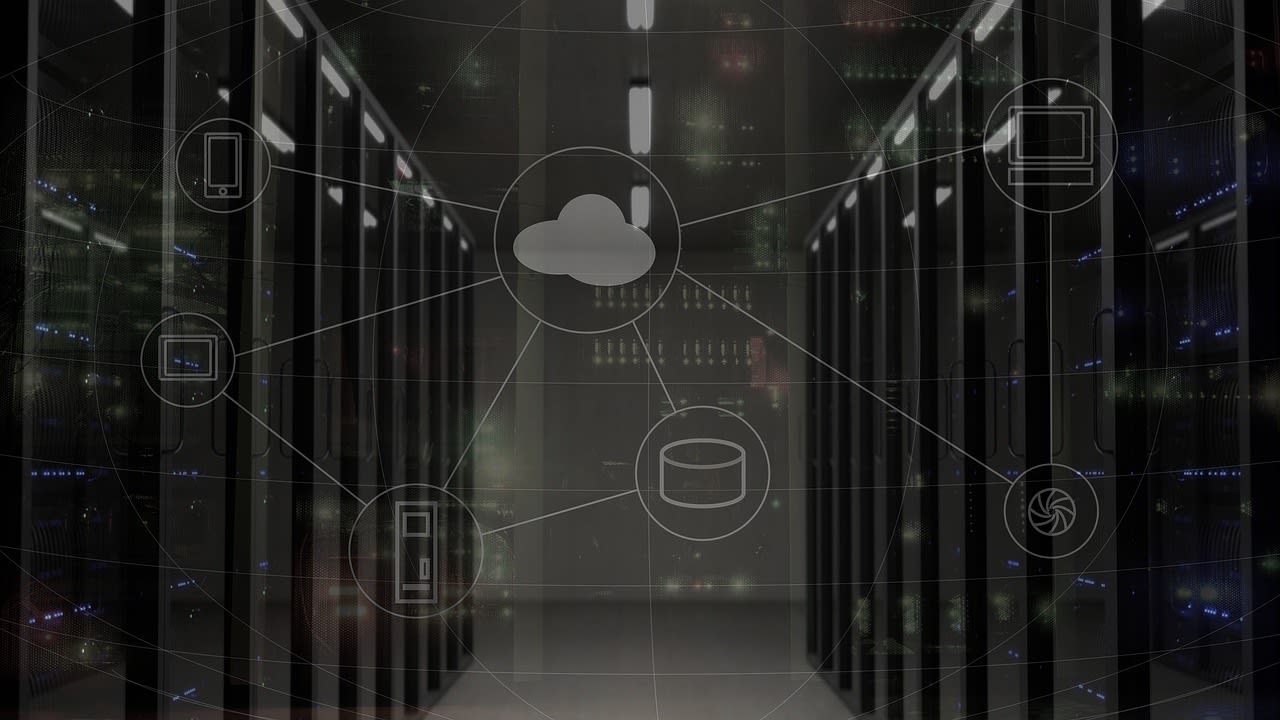
Here's where many self-hosting journeys fail: maintenance fatigue. You get everything set up, it works beautifully for a month, then updates need applying, logs need checking, backups need verifying. The initial excitement fades, and suddenly you're managing another system instead of enjoying it.
This is where automation and DevOps principles save the day. Your Docker Compose file is a start, but think bigger. Set up automated backups—I use BorgBackup with a simple cron job that backs up my Docker volumes to a remote server. Monitor your system with something lightweight like Netdata or Glances. Set up alerting (but not too much—you don't want notification fatigue).
My personal favorite automation trick: Watchtower. It's a Docker container that watches your other containers and automatically updates them when new versions are available. Combined with proper tagging in your Docker Compose file (use specific version tags, not `latest`), this gives you hands-off updates with rollback capability. It's like having a sysadmin who works for free.
Common Pitfalls and How to Avoid Them
Let's be real—not everything goes smoothly. After helping dozens of people set up similar systems, I've seen the same mistakes repeated. First: underestimating storage needs. That 4TB drive in the original post will fill faster than you think, especially with 4K content. Plan for expansion from day one.
Second: skipping backups. Your media might be replaceable (though time-consuming to re-rip), but your configuration and metadata aren't. Back up your Docker Compose files, your application configurations, and your database volumes. I've seen people lose hundreds of hours of curation because they thought "it's just a home server."
Third: overcomplicating too soon. Start with Jellyfin. Get that working perfectly. Then maybe add a *arr stack (Sonarr, Radarr) for automation. Then maybe Home Assistant for smart home. Don't try to build your perfect digital empire in one weekend. The original poster took a month and a half—that's a realistic timeline for something sustainable.
Beyond Media: The Self-Hosting Ecosystem
Once you have your media server humming along, you'll start seeing opportunities everywhere. Why pay for cloud storage when you can run Nextcloud? Why trust a corporation with your passwords when Bitwarden can be self-hosted? Why use Google Calendar when you can host CalDAV?
The beautiful part is that these all play nicely together. Your Tailscale mesh gives you secure access to everything. Your Docker infrastructure makes adding new services trivial. That modest HP EliteDesk can probably handle several more containers before breaking a sweat. And if it does start struggling? Docker makes migrating individual services to more powerful hardware straightforward.
This is where the real freedom happens. You're not just replacing Netflix—you're building a personal digital ecosystem that respects your privacy, serves your needs, and can't be taken away from you. Each service you bring in-house is another monthly subscription saved, another data tracker blocked, another piece of your digital life reclaimed.
The Human Element: Sharing Without Selling
There's something profoundly human about the original post's conclusion: "which I, gf and family connect to." This isn't just about technical achievement—it's about connection. You're building something you can share with loved ones without turning them into products. No algorithms optimizing for engagement. No ads interrupting movie night. Just shared experiences, facilitated by technology you control.
This aspect often gets overlooked in technical guides, but it might be the most important. When you share your self-hosted services, you're not just providing access—you're demonstrating an alternative. You're showing that technology can serve human relationships rather than extract from them. Your family might not care about Docker or Tailscale, but they'll care about the ad-free movie nights and the knowledge that their viewing habits aren't being monetized.
And here's a secret: this often becomes a gateway. Your technically-curious family members might start asking how it works. Maybe they'll want to set up their own. The movement grows, one converted user at a time.
Getting Started: Your First Weekend Project
Feeling inspired but overwhelmed? Here's a realistic first weekend plan. First, acquire hardware. That refurbished business PC we discussed is perfect. Second, install Linux. Ubuntu Server 24.04 LTS is my recommendation for beginners—it'll be supported until 2034. Third, install Docker and Docker Compose.
Now for the fun part: create a directory for your setup, and make a `docker-compose.yml` file. Start with just Jellyfin. Get it working locally. Add one movie, make sure it plays. Then install Tailscale on the server and your phone. Connect from your phone off WiFi. Marvel at the magic.
Next weekend, think about storage organization and metadata. The weekend after, maybe add Overseerr so your family can request content. Take it slow. Enjoy the process. This isn't a race—it's a journey toward digital self-sufficiency.
If you hit roadblocks, remember the entire self-hosted community is out there. The r/selfhosted subreddit where the original post appeared is filled with people who've been exactly where you are. The forums for Jellyfin, Docker, and Tailscale are incredibly helpful. You're not alone in wanting something better.
The Future Is Personal
Looking ahead to the rest of 2026 and beyond, I see the "I'm so tired" sentiment only growing. As subscription prices increase, as ads become more invasive, as platforms become more consolidated, more people will reach their breaking point. And they'll discover what our original poster discovered: there's another way.
The technology will only get better. Hardware will become more efficient. Software will become easier to deploy. But the core appeal will remain the same: autonomy. Control. Freedom from the extractive attention economy.
That modest HP EliteDesk running in someone's closet represents more than just a media server. It represents a declaration of independence. It says "my data is mine." It says "my attention is not for sale." It says "I will build rather than just consume."
So if you're feeling tired of the current digital landscape, know this: you're not alone. And more importantly, you're not powerless. The path from fatigue to freedom starts with a single step—or in this case, a single server. Your future self, enjoying ad-free media with loved ones without a single corporate intermediary, will thank you.
The light our original poster saw? It's waiting for you too. All you need to do is start building.