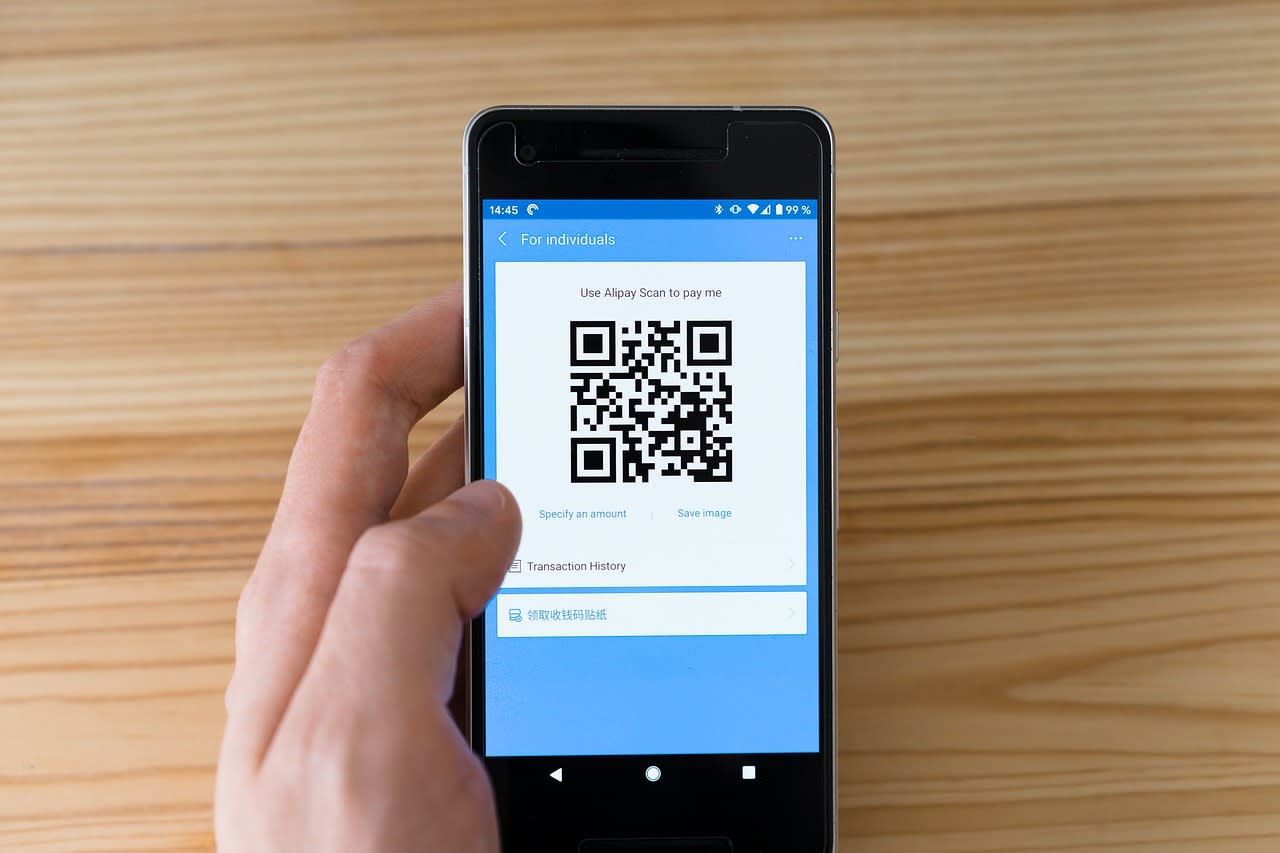
The $1,200 Curiosity That Might Change Everything
You know that feeling when you see something priced ridiculously high and think, "There's no way that's worth it"? That's exactly where our Reddit friend was—browsing car accessories, noticing insane markups, and wondering what the actual manufacturing cost looked like. So they did what any curious entrepreneur would do: they went digging on Alibaba.
After researching suppliers, checking reviews, and verifying manufacturers, they pulled the trigger on one unit for $1,200. When it arrived, they expected cheap Chinese knockoff quality. But it wasn't. The build quality was solid—maybe even surprisingly good. So they listed it on Facebook Marketplace for $2,500, just to see what would happen.
And now they're wondering: Did I just stumble onto something real?
Short answer: Yes. Absolutely. But the real question isn't whether this works—it's whether you can build something sustainable around it. Let's break down what this Redditor discovered and how you can apply these insights to build your own profitable business in 2025.
The Alibaba Reality Check: What Most People Get Wrong
First, let's address the elephant in the room. When people hear "Alibaba," they immediately think of cheap, low-quality products that break after two uses. And honestly? Sometimes that's true. But here's what most people miss: Alibaba isn't a store—it's a marketplace. Just like Amazon has everything from garbage to gold, Alibaba hosts thousands of manufacturers with wildly varying quality standards.
The Redditor's key insight was doing their homework. They didn't just buy from the first supplier they saw. They researched suppliers, checked reviews (both on and off Alibaba), and verified the manufacturer. This is crucial. I've tested dozens of suppliers over the years, and the difference between a good one and a bad one isn't just price—it's reliability, communication, and consistency.
Another thing people get wrong? They assume all Chinese manufacturers are the same. They're not. Some specialize in OEM (Original Equipment Manufacturing) for Western brands. These factories often produce the exact same products you see in stores, just without the branding. That's likely what our Redditor found—a product that retails for much higher prices elsewhere, just sourced directly from the manufacturer.
But here's the catch: Quality verification is everything. You can't just look at pictures. You need to ask for samples, check certifications, and sometimes even visit the factory (or hire someone to do it for you). The Redditor took a $1,200 risk on one unit. That's actually smart—it's a test investment before committing to larger quantities.
The Facebook Marketplace Goldmine (And Its Limitations)
Facebook Marketplace has quietly become one of the most powerful ecommerce platforms out there. Think about it: No listing fees (for now), built-in audience, and people are already there to buy stuff. It's like having a free storefront in the world's largest mall.
Our Redditor listed at $2,500—more than double their cost. That's a 108% markup. Sounds crazy, right? But here's the thing: If the product normally retails for $3,000+ elsewhere, $2,500 looks like a deal. That's the psychology at play. You're not competing on being the cheapest; you're competing on being more convenient than the big retailers.
From what I've seen, Facebook Marketplace works particularly well for:
- Niche products (like specific car accessories)
- Bulky items that are expensive to ship through traditional ecommerce
- Local pickup items (avoiding shipping costs entirely)
- Products with immediate demand (people searching for specific solutions)
But—and this is a big but—Facebook Marketplace has limitations. You're at the mercy of Facebook's algorithms. Your account could get banned. Listings can disappear. And scaling beyond local pickup gets complicated fast. Still, as a testing ground? It's brilliant. Low friction, immediate feedback, and minimal upfront costs.
The Math Behind the Markup: Is This Actually Profitable?
Let's talk numbers, because that's where most aspiring entrepreneurs get tripped up. Our Redditor spent $1,200 and listed for $2,500. That's $1,300 gross profit per unit. Sounds amazing, right?
But wait. We need to account for:
- Shipping from China (often not included in Alibaba prices)
- Import duties and taxes (varies by country)
- Payment processing fees (if not using cash)
- Your time (research, communication, listing, meeting buyers)
- Potential returns or defects
Realistically, that $1,300 might shrink to $800-900 after all expenses. Still excellent, but not quite the windfall it first appears.
Here's where it gets interesting though. Once you've validated a product, you can:
- Order in bulk for lower per-unit costs
- Negotiate better shipping rates
- Create your own website to capture more margin
- Expand to other marketplaces (eBay, Amazon, niche sites)
The key insight from the Reddit discussion? Many commenters pointed out that the real opportunity isn't in selling one-off items—it's in building a brand around validated products. Find something that sells, then optimize the hell out of it.
Beyond One-Off Sales: Building a Real Business
This is where most people stop. They make a few sales, get excited, then... nothing. They treat it like a side hustle rather than a business. But what if you approached it differently?
Let's say you've validated that car accessory. People want it. They're willing to pay $2,500. Now what?
First, consider branding. Could you add your own logo? Custom packaging? Even minor branding can justify higher prices and build customer loyalty. I've worked with suppliers who will add your branding for as little as $0.50-2.00 per unit. That's a tiny investment for potentially huge returns.
Second, think about scaling. Facebook Marketplace is great for testing, but you'll want your own website eventually. Why? Control. You own the customer relationship. You're not at the mercy of platform algorithms. And you can build an email list for repeat business.
Third—and this is crucial—consider automation. Once you have a winning product, how much of the process can you automate? From order fulfillment to customer service, every hour you save is an hour you can spend finding your next winning product.
One tool that comes in handy here is Apify's web scraping tools. While our Redditor found their product manually, you can use automation to systematically identify products with high markups across multiple marketplaces. It's like having a research assistant working 24/7.
The Practical Step-by-Step: How to Replicate This Success

Ready to try this yourself? Here's exactly how to approach it in 2025:
Step 1: Product Research (The Right Way)
Don't just browse Alibaba randomly. Start with what you know. What industries are you familiar with? What products do you see with insane markups? Tools, specialty equipment, hobby items—these often have the biggest gaps between manufacturing cost and retail price.
Use tools like Jungle Scout or Helium 10 to analyze market demand. Look for products with:
- High price points ($500+)
- Consistent demand (not seasonal)
- Limited competition (not dominated by big brands)
- Physical products (not digital)
Step 2: Supplier Verification
This is where most people cut corners. Don't. When you find a potential supplier on Alibaba:
- Check their transaction history and ratings
- Ask for references or customer contacts
- Request samples (yes, it costs money—it's worth it)
- Verify certifications and quality control processes
- Use Alibaba's trade assurance whenever possible
Pro tip: Communicate clearly about specifications. Don't assume they understand exactly what you want. Send pictures, diagrams, detailed descriptions. The more specific you are, the better the result.
Step 3: Test the Market
Start small. Order one unit like our Redditor did. List it on multiple platforms:
- Facebook Marketplace (local pickup)
- eBay (with calculated shipping)
- Craigslist or other local classifieds
- Niche forums or Facebook groups
Test different price points. See what resonates. Pay attention to questions people ask—they'll tell you what features matter most to buyers.
Step 4: Scale Strategically
Once you've made a few sales and confirmed the market:
- Order a small batch (5-10 units) to improve margins
- Create basic branding and packaging
- Build a simple website (Shopify works great for beginners)
- Consider running targeted Facebook or Google ads
Remember: Scaling doesn't mean going all-in immediately. It means systematic growth based on data, not hope.
Common Pitfalls and How to Avoid Them
I've seen people make these mistakes over and over. Learn from them:
Pitfall #1: Underestimating Shipping and Import Costs
That $1,200 product might cost another $300 to ship via air freight. Sea shipping is cheaper but takes 30-60 days. And don't forget import duties—these can add 10-25% depending on your country and product category. Always calculate total landed cost, not just product cost.
Pitfall #2: Ignoring Quality Control
Just because your sample was good doesn't mean every unit will be. Establish clear quality standards with your supplier. Consider hiring a third-party inspection service for larger orders. It costs $200-300 but can save you thousands in returns.
Pitfall #3: Getting Stuck on One Platform
Facebook Marketplace worked for our Redditor, but what if Facebook changes their policies? What if your account gets flagged? Diversify early. Build your own website. List on multiple marketplaces. Don't put all your eggs in one basket.
Pitfall #4: Neglecting Customer Service
You're not Amazon, but that doesn't mean you can ignore customer service. Respond to inquiries quickly. Be transparent about shipping times. Handle issues professionally. Good reviews and word-of-mouth are everything in this business.
The Legal and Tax Considerations (The Boring But Essential Stuff)
Nobody likes talking about this, but it matters. When you're making significant money from this:
- You likely need a business license
- You must collect and remit sales tax (depending on your location)
- Importing goods commercially has different requirements than personal imports
- You're responsible for product liability and safety standards
I'm not a lawyer, but here's my practical advice: Start small, keep good records, and consult with a local accountant or lawyer once you're making consistent sales. The $200-300 for professional advice is cheaper than fines or legal issues later.
For specific tasks like logo design or legal document review, you can find qualified professionals on Fiverr. Just make sure to check their reviews and portfolio thoroughly.
Is This Still Viable in 2025?
Absolutely. But it's different than it was five years ago. The low-hanging fruit is gone. You can't just find any product on Alibaba and mark it up 500%. Customers are savvier. Competition is fiercer.
But here's what hasn't changed: There are still massive inefficiencies in global supply chains. There are still products with ridiculous markups. There are still manufacturers looking for reliable partners.
The opportunity in 2025 isn't in being the first to discover this model—it's in executing it better. Better product research. Better supplier relationships. Better customer experience. Better branding.
Our Redditor asked if they stumbled onto something real. The answer is yes—but what they really found was validation. Validation that there are products people want at prices they'll pay. Validation that going directly to the manufacturer can create profitable margins. Validation that platforms like Facebook Marketplace can move expensive items.
Now the real work begins. Taking that validation and building something sustainable. Something that doesn't depend on luck or curiosity, but on systems and processes.
Your Next Move
So where do you start? Right where our Redditor did: with curiosity. What products do you see with crazy markups? What niches do you understand better than most people?
Pick one product. Research it on Alibaba. Calculate the real costs. Test the market with a single unit. You might lose a few hundred dollars. Or you might discover your next business.
The beautiful thing about this model? The barrier to entry is low. You don't need a warehouse. You don't need employees. You don't even need a website to start. You just need curiosity, diligence, and willingness to take a calculated risk.
Our Redditor's $1,200 experiment might have started as curiosity, but it revealed a fundamental truth: There's still money to be made connecting manufacturers with customers. The question isn't whether this works—it's whether you'll take the first step.
What product will you research today?