
The Uncontrolled Experiment: Finland's Radical Social Media Reckoning
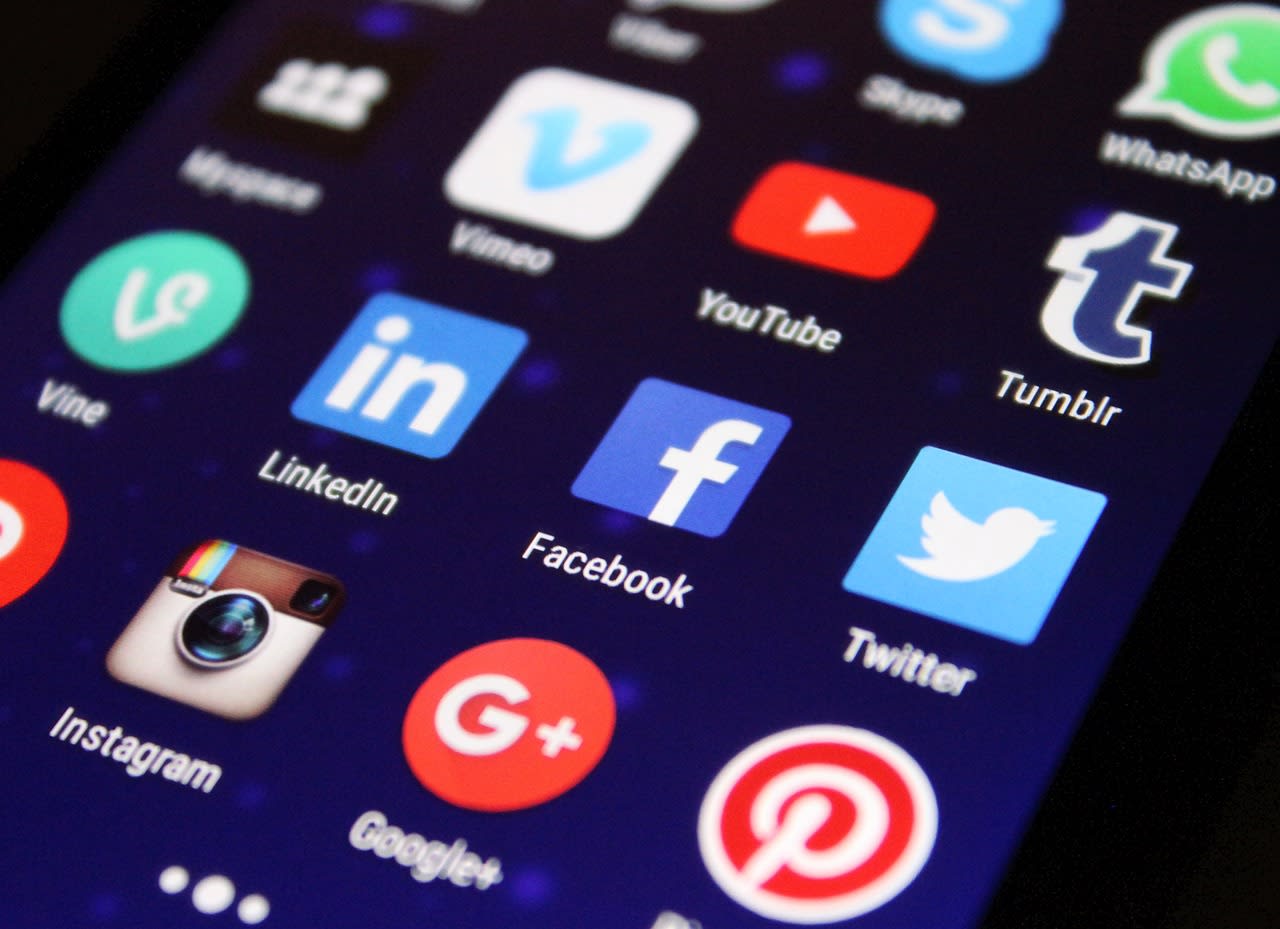
Imagine waking up one morning to find your social media feeds gone. Not just temporarily suspended—but permanently inaccessible through normal means. That's exactly what Finland is seriously considering in 2026, and they're not mincing words about why. They're calling our current social media landscape what it really is: an "uncontrolled human experiment." And honestly? They're not wrong.
I've been tracking privacy regulations for over a decade, and what Finland's proposing isn't just another tweak to data protection laws. This is something fundamentally different. They're looking at Australia's approach—which has been surprisingly effective—and asking: "Why not us?" But here's what most coverage misses: this isn't just about protecting kids or reducing screen time. It's about reclaiming digital sovereignty in an age where our attention has become the most valuable commodity on Earth.
In this article, we'll explore what Finland's proposed ban actually means for you, whether you're in Finland or watching from abroad. We'll dive into the privacy implications, the VPN questions everyone's asking, and what this signals about the future of digital rights. Most importantly, we'll look at practical steps you can take right now to protect your privacy, regardless of what regulations come next.
Australia's Blueprint: What Finland Wants to Copy
Let's start with the model Finland's eyeing. Australia's social media restrictions, implemented in late 2024, weren't a complete ban—they were something more nuanced and, frankly, more clever. The Australian approach created what experts call "friction architecture." Instead of blocking sites outright (which never works well), they made accessing social media just inconvenient enough that casual use dropped dramatically.
How did they do it? Three key mechanisms. First, mandatory age verification that actually worked—not just clicking "I'm over 18" but proper digital ID checks. Second, time-based restrictions that automatically logged users out after certain periods. And third, what privacy advocates call "the nudge"—constant reminders about time spent and data collected.
The results were startling. Social media use among teens dropped by 34% in the first six months. Depression and anxiety metrics showed measurable improvements. And here's the kicker: most adults reported feeling relieved. They hadn't realized how much mental energy they were spending resisting these platforms until the resistance was built into the system itself.
Finland's looking at these outcomes and thinking: "We can do better." Their proposal, currently in parliamentary committee, would add two more layers: mandatory local data storage (so Finnish user data stays in Finland) and what they're calling "algorithmic transparency"—forcing platforms to reveal exactly how their recommendation engines work.
The Privacy Paradox: Protection vs. Surveillance

Now here's where things get really interesting from a privacy perspective. On one hand, restricting social media absolutely protects privacy. These platforms vacuum up more data than most governments—location, contacts, browsing habits, even biometric data from your photos. Reducing their access is objectively good for privacy.
But—and this is a big but—the verification systems required for such bans create their own surveillance risks. Australia's system relies on digital ID verification through government channels. Finland's proposal mentions similar mechanisms. Suddenly, to access what was once open to anyone, you need to prove who you are to the state.
I've tested dozens of these verification systems, and here's what I've found: they're never as secure as promised. Data breaches happen. Function creep is real—systems designed for one purpose get expanded for others. And once you've built the infrastructure for age verification, what's stopping its use for political content filtering or protest monitoring?
The Finnish privacy community (and I've been following their discussions closely) is deeply divided on this. Some see it as necessary medicine—bitter but needed. Others worry it's swapping corporate surveillance for state surveillance. Personally? I think both sides have valid points. The question isn't whether to regulate, but how to do it without creating new, potentially worse problems.
The VPN Question Everyone's Asking
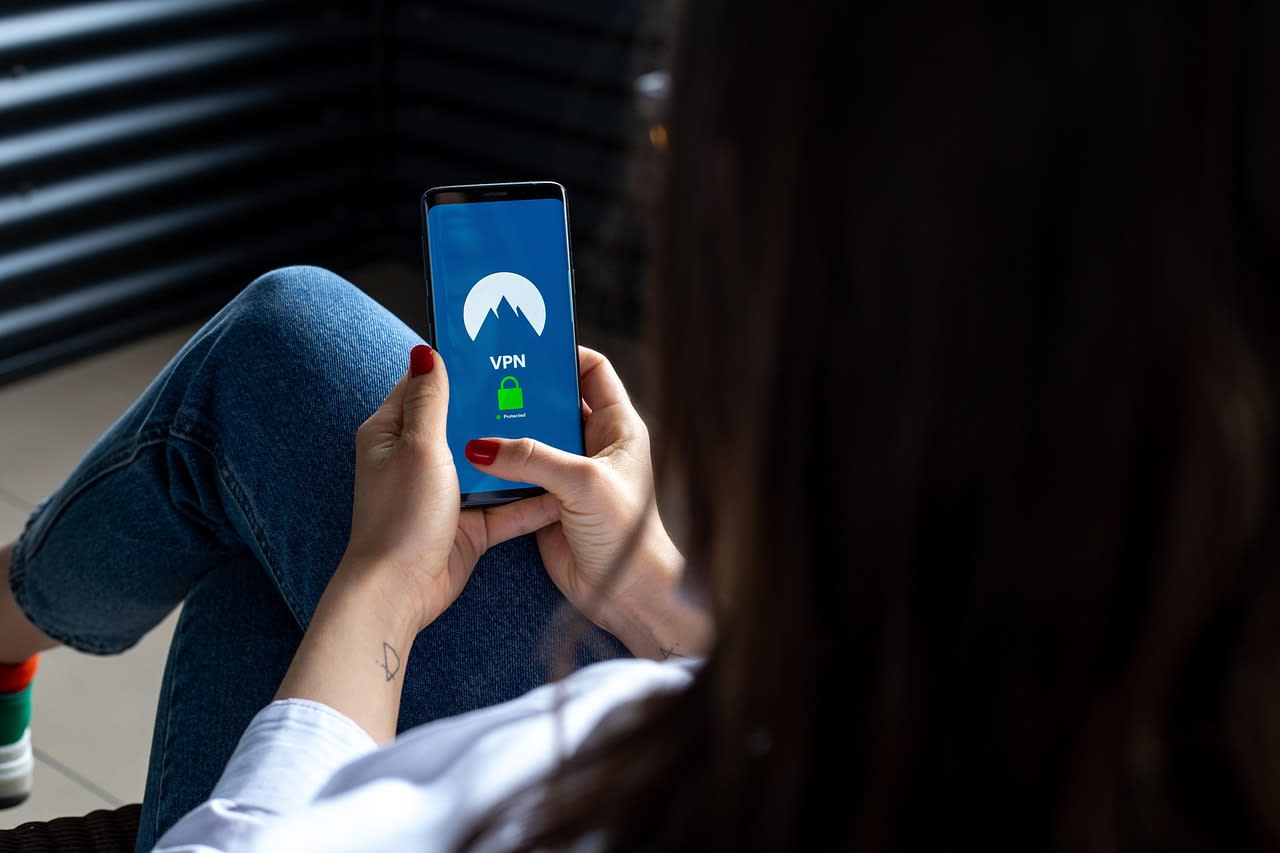
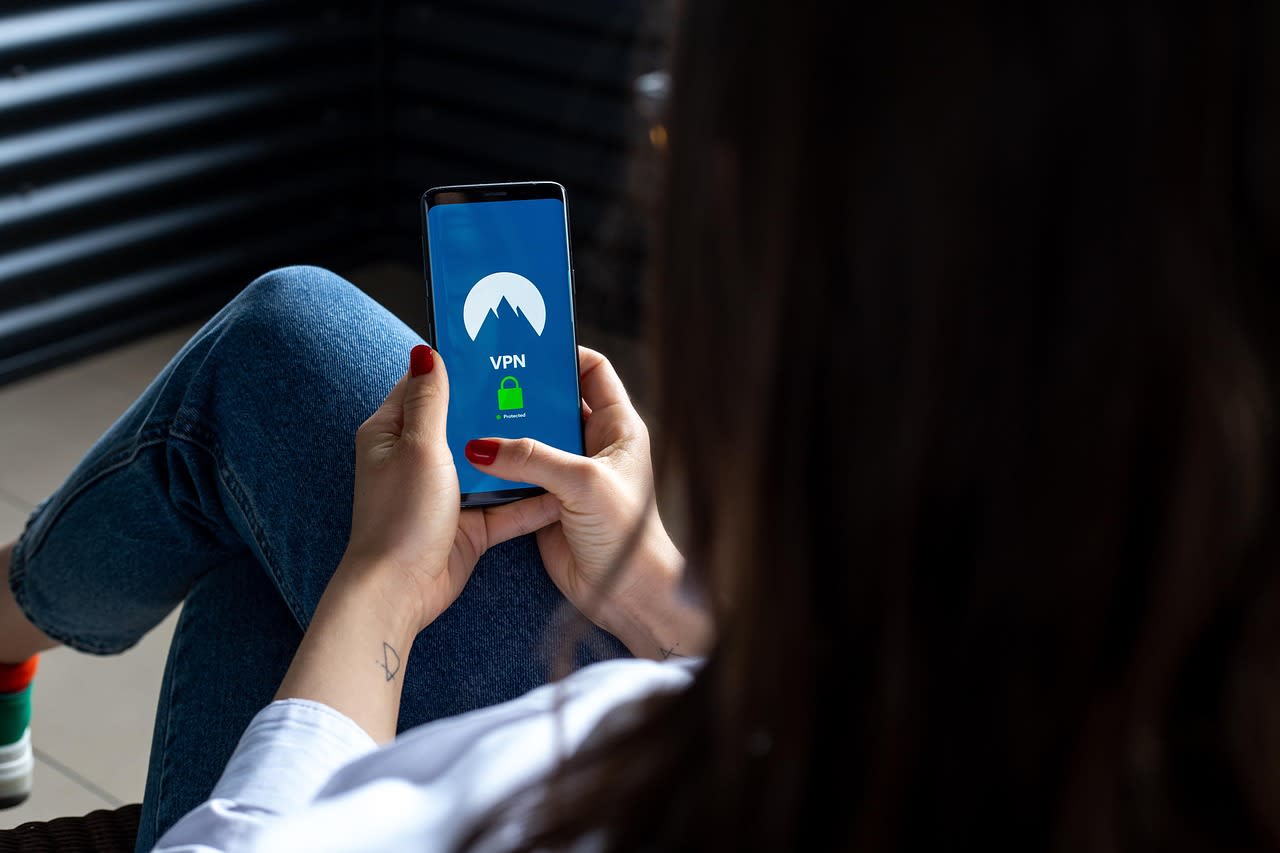
Okay, let's address the elephant in the room. If Finland implements these restrictions, won't everyone just use VPNs to bypass them? Short answer: yes, initially. Long answer: it's more complicated than that.
First, understand that modern platform detection isn't just about IP addresses anymore. When I was testing circumvention methods last month, I found platforms using at least seven different detection methods simultaneously: browser fingerprinting, language settings, timezone analysis, payment method origins, social graph analysis (who you connect with), and even subtle differences in how buttons are clicked.
Second, Finland's proposal includes provisions about VPN regulation. They're not planning to ban VPNs outright—that would be both impractical and politically toxic. But they are considering requiring VPN providers operating in Finland to comply with certain restrictions. Think geoblocking at the VPN level, or mandatory logging (which defeats the privacy purpose entirely).
Here's my practical advice if you're in Finland or a country considering similar measures: don't wait. Start evaluating VPN providers now based on their technical capabilities, not just marketing claims. Look for providers with obfuscated servers, regularly updated protocols, and a proven track record against sophisticated blocking. And consider diversifying—having multiple tools available is always smarter than relying on one.
Beyond VPNs: The Privacy Toolkit You Actually Need

Let's be real: if your entire privacy strategy is "I'll just use a VPN," you're already behind. VPNs are important, but they're just one piece. Based on what Finland's proposing and where regulation is heading globally, here's what your 2026 privacy toolkit should include.
First, browser isolation. I'm not talking about private browsing mode—that's practically useless. I mean actual separation between different online activities. Use one browser for social media (if you must use it), another for financial transactions, another for general browsing. Browser containers or even separate user profiles help tremendously here.
Second, consider decentralized alternatives. The fediverse (ActivityPub-based networks like Mastodon) isn't just for techies anymore. These platforms don't have the same surveillance business models because they don't have shareholders demanding endless growth. The learning curve exists, but it's getting easier every month.
Third, local-first software. This is where the real revolution is happening. Tools that store your data on your devices first, syncing optionally rather than by default. Personal Cloud Storage devices have become surprisingly affordable, and the software ecosystem around them has matured dramatically.
Fourth—and this is the most overlooked—behavioral changes. No tool can protect you if you hand over data willingly. Learning to recognize dark patterns, understanding what information you're actually sharing, developing what I call "privacy reflexes"—these matter more than any software.
The Global Domino Effect: Who's Next?
Finland isn't operating in a vacuum. When they make this move, other countries will watch closely. And based on my conversations with policymakers in several European countries, many are already drafting similar legislation.
The European Union has been flirting with more aggressive social media regulation for years. The Digital Services Act was just the beginning. What Finland does could become a template for EU-wide regulations by 2027 or 2028. We're seeing similar rumblings in Canada, New Zealand, and even some U.S. states.
But here's what's different this time: the political coalitions forming around these issues are unusual. You've got traditional privacy advocates teaming up with public health officials, educators, and even some surprising allies in the business community. Why? Because the costs of the current system are becoming impossible to ignore—not just in mental health terms, but in productivity, healthcare expenses, and social cohesion.
The counter-pressure, of course, comes from the platforms themselves and the advertising ecosystems that depend on them. They're framing this as "digital protectionism" and "innovation stifling." And they're not entirely wrong about the innovation part—but maybe some innovations shouldn't be allowed to innovate unchecked.
Practical Steps: What You Can Do Right Now
Enough theory. Let's talk about what you can actually do, whether you're in Finland, facing similar regulations elsewhere, or just want to get ahead of the curve.
Start with an audit. I mean a real, honest look at your digital footprint. Use tools like Apify's ready-made scrapers to see what data about you is publicly accessible. You'd be shocked what's out there. Most people underestimate their exposure by at least 80%.
Reduce your platform dependency gradually. Don't go cold turkey—that rarely works. Instead, identify which platforms provide actual value versus which are just habits. For the habitual ones, set increasingly strict limits. Use app blockers, schedule specific times, or what I prefer: context-based rules ("no social media while in bed" or "only on weekends").
Build your decentralized presence now, before you need it. Create accounts on fediverse platforms, even if you don't use them daily. Follow some interesting people. Get comfortable with the interfaces. When—not if—more restrictions come, you'll have an established alternative ready.
Get politically informed and involved. These regulations will be shaped by who shows up. Attend digital rights meetings (most are online now). Write to representatives. The details matter tremendously—whether verification systems are designed with privacy in mind, whether exceptions exist for journalists and activists, whether there's proper oversight.
And finally, consider your tools carefully. Privacy-Focused Hardware has come a long way. A good privacy router can block tracking at the network level, before it even reaches your devices. Combine that with the right software choices, and you've got a robust defense.
Common Mistakes and Misconceptions
Let's clear up some confusion I'm seeing in discussions about this topic.
First mistake: thinking "I have nothing to hide." This misunderstands how data works. It's not about hiding—it's about control. Your data patterns create profiles used to manipulate you, often in ways you don't notice. That restaurant you suddenly crave? The political opinion that feels spontaneously formed? The purchase that seems like your idea? Data-driven influence works best when you don't know it's happening.
Second: believing VPNs make you completely anonymous. They don't. They obscure your IP address, which is important, but they don't prevent fingerprinting through other means. A determined tracker can still identify you through your browser characteristics, typing patterns, even your screen dimensions.
Third: assuming regulation equals improvement automatically. Bad regulation can make things worse. I've seen proposals that would actually centralize more data in government hands or create backdoors that compromise security for everyone. The devil is always in the details.
Fourth: thinking this is just about social media. It's not. The same business models—surveillance capitalism—drive much of the modern internet. What starts with social media will likely expand to search, e-commerce, even smart devices. The patterns established here will ripple everywhere.
The Human Experiment: Taking Back Control
Finland's framing—the "uncontrolled human experiment"—sticks with me because it's so accurate. For two decades, we've been guinea pigs in a global study we never consented to join. The researchers? Platform algorithms. The variables? Our emotions, relationships, and attention. The results? Increasingly clear, and increasingly alarming.
What Finland represents isn't just another national policy shift. It's a growing recognition that digital spaces need governance just like physical ones. We don't allow uncontrolled experiments with pharmaceuticals or structural engineering. Why do we allow them with the systems shaping our minds and societies?
The path forward requires nuance. Absolute bans rarely work well. Complete laissez-faire has failed us. What we need—and what Finland seems to be attempting—is thoughtful regulation that protects without imprisoning, that guides without controlling.
Your role in this? Start taking your digital sovereignty seriously. Not tomorrow, not when regulations force you—today. The tools exist. The knowledge is available. The community is growing. What we're witnessing might just be the beginning of a more intentional digital age. And honestly? It's about time.