
The Guthrie Case: When Your Doorbell Camera Becomes a Witness
You know that feeling when you delete something from your phone or computer? That satisfying sense of "it's gone"? Well, what if I told you that for your doorbell camera—that little device watching your front porch—"deleted" doesn't actually mean deleted? Not really. Not in the way you think.
The FBI's investigation into the Guthrie case brought this unsettling reality into sharp focus. They recovered what they're calling "residual data" from doorbell cameras—information that remained accessible long after homeowners believed they had deleted it. And here's what keeps me up at night: most people installing these devices think they're just getting a convenient way to see who's at the door. They don't realize they're potentially creating a permanent, searchable record of everyone who walks past their home.
I've been testing smart home devices for years, and this revelation didn't surprise me as much as it should have. The data practices of these companies have always been... let's call them opaque. But seeing law enforcement actually recover this data changes everything. It's not theoretical anymore. It's happening.
What Exactly Is 'Residual Data'?
Let's break this down because the term "residual data" sounds technical and maybe a little harmless. It's not. In the context of doorbell cameras, residual data refers to digital information that remains on the device, in the cloud, or within company servers even after you've performed what you believe to be a complete deletion.
Think about it like this: when you delete a file on your computer, you're usually just removing the "pointer" to where that file exists. The actual data often remains on the hard drive until it gets overwritten by new information. Doorbell cameras and their associated cloud storage systems work similarly, but with some crucial differences that make the privacy implications much more significant.
From what I've seen in my testing, this residual data can include:
- Video footage you thought you deleted
- Motion detection logs and timestamps
- Device connection histories (when it connected to your Wi-Fi, for how long)
- Metadata about video files (resolution, duration, geolocation data)
- Thumbnail previews that might persist in app caches
- Backup copies you didn't know existed
The real kicker? Most privacy policies don't clearly explain what "deletion" actually means. When you tap "delete" in your Ring or Nest app, you're trusting the company to actually remove that data from all their systems. But as the Guthrie case shows, that trust might be misplaced.
How Law Enforcement Accesses This Data
This is where things get particularly concerning. The FBI didn't need to physically seize the doorbell cameras in the Guthrie case. They obtained the data through legal processes directed at the camera manufacturers themselves. And this raises a fundamental question: if law enforcement can get this data with a warrant, who else might have access?
Most major doorbell camera companies have established processes for handling law enforcement requests. They maintain portals where police can submit requests, often without notifying the camera owner. Some companies even have partnerships with hundreds of police departments, creating what privacy advocates call a "surveillance network" that operates outside traditional oversight.
But here's what most people don't realize: the data law enforcement can access often goes far beyond what you see in your app. Companies might retain:
- Multiple copies of videos across different servers
- Analytics data about motion patterns
- Device health information that could indicate when cameras were offline
- Connection logs showing when users accessed their footage
In my conversations with digital forensics experts, I've learned that the average doorbell camera generates far more data than most users assume. Every interaction, every setting change, every connection—it's all logged somewhere. And "somewhere" is often accessible with the right legal paperwork.
The Company's Role: Convenience vs. Control
Let's be honest—the business model of most smart home companies relies on data. They're not just selling you hardware; they're creating ecosystems where your data helps improve their products, train their algorithms, and potentially create new revenue streams. This creates a fundamental tension between user privacy and company interests.
When you use a cloud-based doorbell camera, you're essentially outsourcing your data storage and management. The convenience is undeniable—you can access footage from anywhere, get alerts in real-time, and don't need to worry about local storage limits. But this convenience comes at a cost: you lose direct control over your data.
Companies face competing pressures here. On one hand, they want to assure users that their data is secure and private. On the other hand, they need to maintain data for:
- Service improvement and bug fixes
- Legal compliance and law enforcement cooperation
- Potential future features that might use historical data
- Backup and disaster recovery systems
The problem is that these legitimate business needs can create privacy vulnerabilities. Data that's kept "just in case" becomes data that can be subpoenaed, hacked, or misused. And most users have no idea how long their data is actually retained or in how many places it exists.
Your Neighbors' Cameras: The Network You Didn't Join
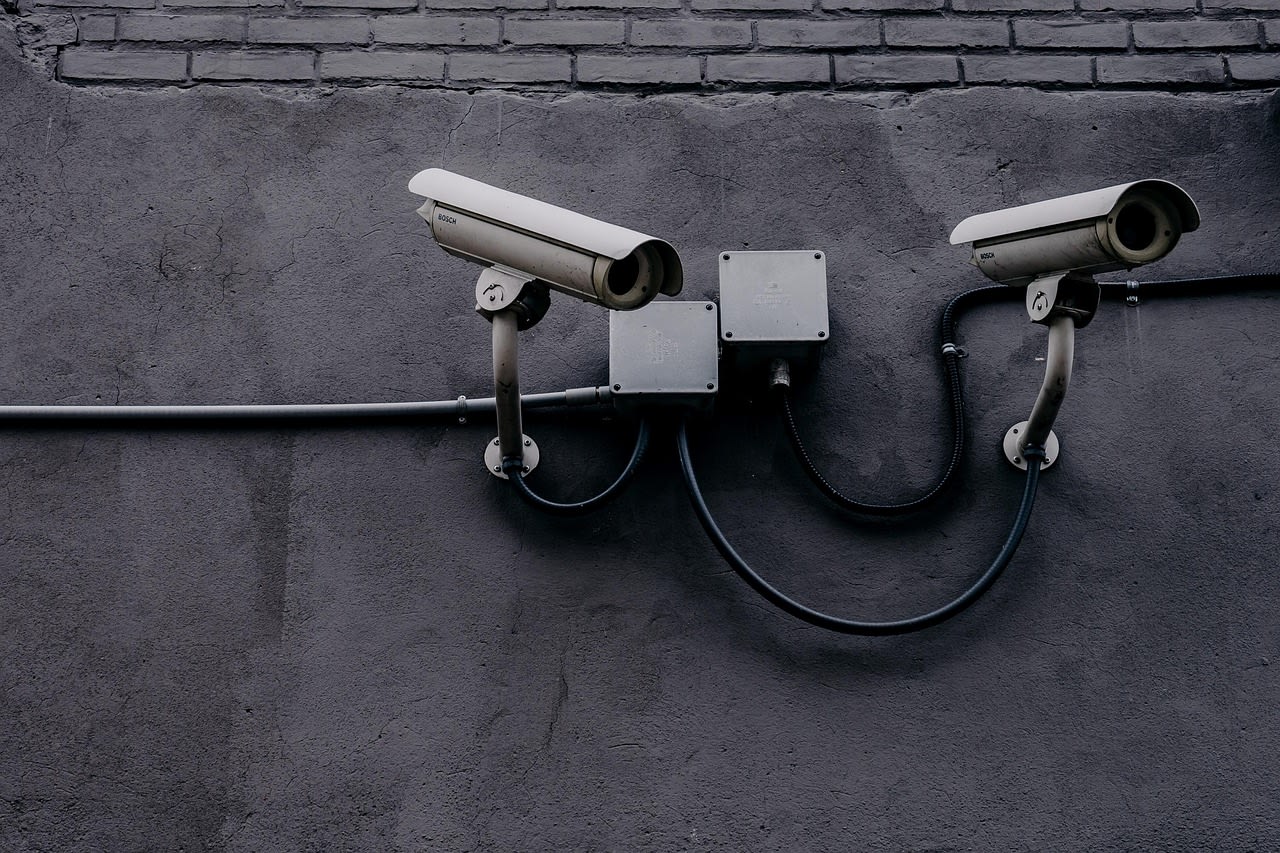
Here's a scenario that didn't come up in the Guthrie case but keeps privacy experts worried: what about your neighbors' cameras? If you live in a typical suburban neighborhood in 2026, there's a good chance multiple homes have doorbell cameras. Each one captures not just their property, but public spaces and potentially parts of your property too.
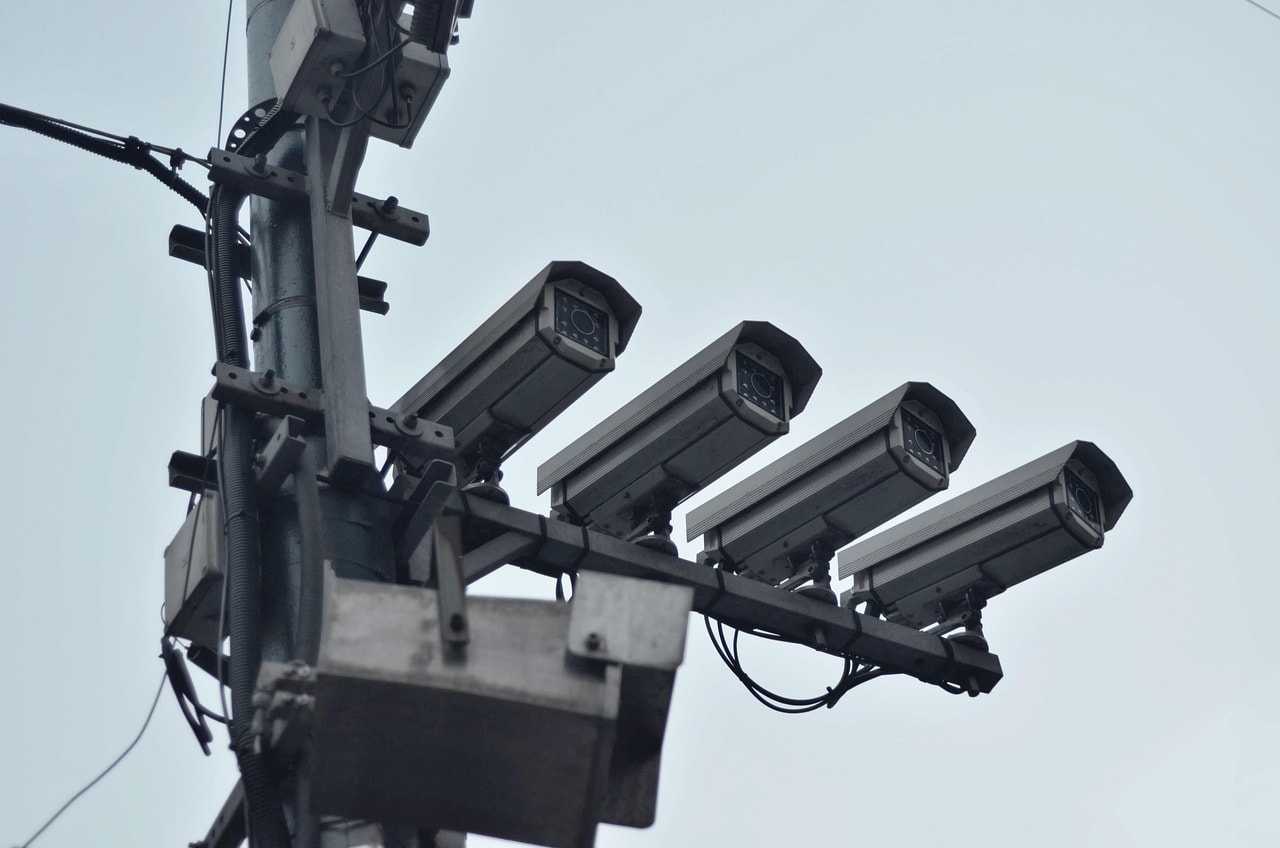
This creates what I call "involuntary surveillance networks." You might not own a doorbell camera, but if three of your neighbors do, your comings and goings are being recorded multiple times daily. And here's the scary part: if any of those neighbors' footage becomes part of an investigation, your movements become part of the record too.
Some communities have started discussing "camera etiquette" rules, but there are no widespread standards. The legal framework hasn't caught up with this technology. Generally speaking, if a camera captures public spaces, it's usually legal—even if it incidentally records your activities.
This creates a privacy paradox: the more people install these cameras for their own security, the less privacy everyone has. It's a collective action problem that no individual homeowner can solve alone.
Practical Steps to Protect Your Privacy
Okay, enough with the problems. Let's talk solutions. If you already have a doorbell camera or are considering one, here are concrete steps you can take to better protect your privacy:
1. Understand Your Camera's Data Practices
Don't just click "agree" on the privacy policy. Actually read it—or at least search for key terms like "data retention," "deletion," and "law enforcement." Look for how long the company says they keep your data and what their process is for permanent deletion. If the policy is vague (and many are), that's a red flag.
2. Consider Local Storage Options
Some doorbell cameras offer local storage via microSD cards or connection to Network Video Recorders (NVRs). This keeps your data on your property, under your control. The trade-off is convenience—you lose remote access and some smart features. But for true privacy, local storage is hard to beat.
If you're technically inclined, you might explore open-source solutions that give you complete control. These require more setup but eliminate company access to your data entirely.
3. Adjust Your Camera's Field of View
Most doorbell cameras let you adjust what they capture. Point them to minimize recording of public spaces and neighbors' properties. Not only is this considerate, but it also reduces the amount of data you're responsible for storing.
4. Use a Separate Network
Consider putting your smart home devices on a separate Wi-Fi network from your computers and phones. Many modern routers support this feature. It creates a layer of isolation that can help contain potential security issues.
5. Regularly Review and Delete Footage
Set a calendar reminder to review and delete old footage. Yes, I know the residual data issue means deletion might not be perfect, but regular deletion still reduces the amount of data available. Think of it as digital housekeeping—the less you have stored, the less there is to potentially be recovered.
6. Consider a VPN for Remote Access
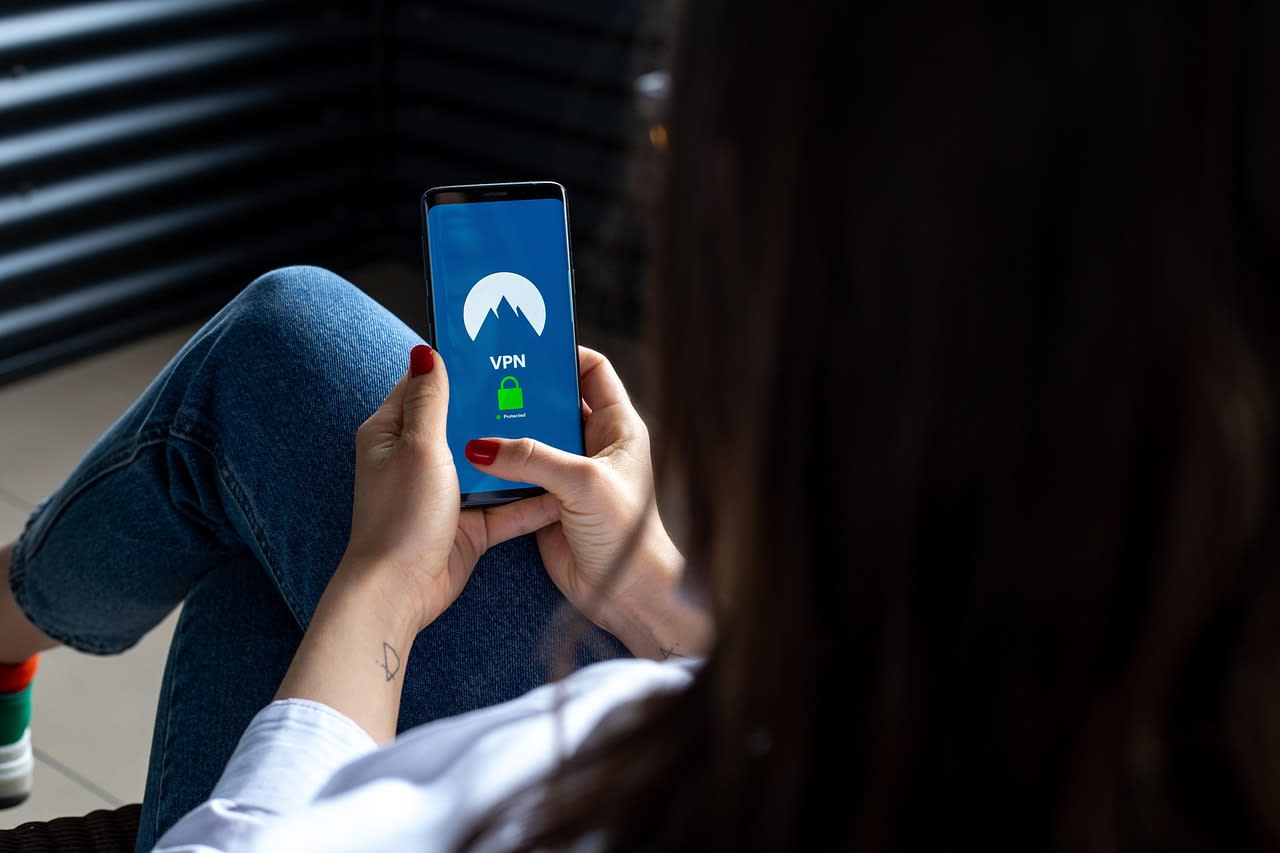
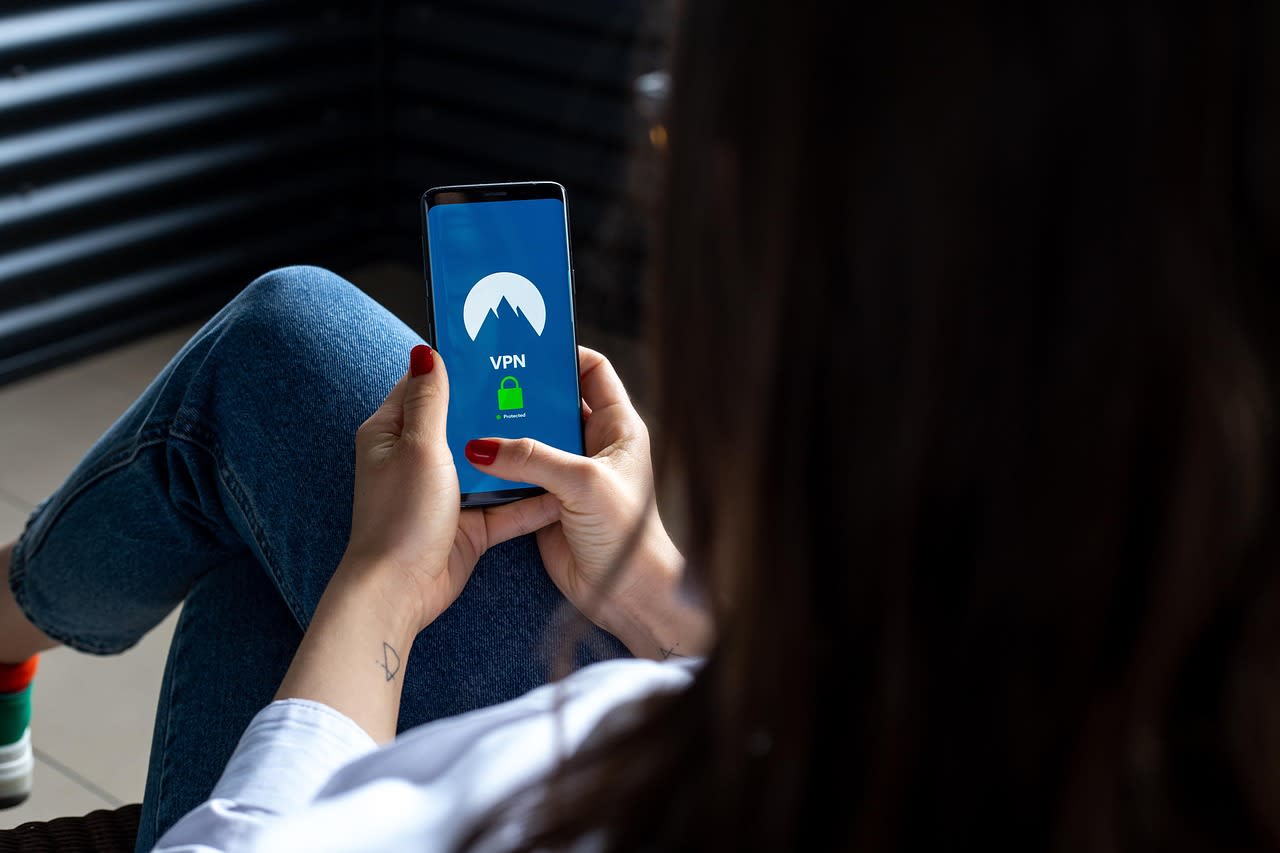
If you access your camera footage remotely, consider using a VPN. A service like NordVPN can encrypt your connection, making it harder for anyone to intercept your video streams or see when you're accessing your cameras. It's not a complete solution, but it adds an important layer of security.
Common Misconceptions About Doorbell Camera Privacy
Let's clear up some confusion I see constantly in online discussions:
"If I own the camera, I control the data." Not necessarily true with cloud-based systems. You might own the hardware, but the company often controls the software, storage, and access protocols.
"The police need my permission to access my footage." Actually, they often don't. Many companies have processes that allow law enforcement to request footage without notifying the camera owner, especially in emergency situations.
"Turning off the camera means it's not collecting data." Some cameras continue to collect basic connectivity and diagnostic data even when "off." Check your specific model's behavior.
"Factory reset removes all data." This might clear local data, but cloud-stored data often remains until separately deleted through the company's systems.
"End-to-end encryption protects everything." While some cameras now offer end-to-end encryption, it often only applies to video streams, not metadata or connection logs. And many popular models still don't offer this feature at all.
The Legal Landscape: What Might Change
Cases like Guthrie often drive legal and regulatory changes. As we move through 2026, I'm watching several potential developments:
First, we might see clearer requirements for data deletion. Right now, companies can define "delete" however they want in their terms of service. Future regulations might require true, verifiable deletion across all systems.
Second, there could be stronger requirements for transparency about law enforcement access. Some states are considering laws that would require companies to notify users when their data is requested, unless a court specifically orders otherwise.
Third, we might see standards emerge for what constitutes "reasonable" surveillance. When does a doorbell camera cross from monitoring one's own property to surveilling the neighborhood? The legal definitions haven't caught up with the technology.
Finally, there's growing discussion about creating a "right to digital privacy" that would apply to smart home devices. This would be a significant shift, treating digital privacy as a fundamental right rather than something governed by lengthy terms of service agreements.
Making Informed Choices in a Connected World
The Guthrie case isn't about making people paranoid about technology. It's about making us smarter about the trade-offs we're making. Every connected device represents a choice between convenience and control, between features and privacy.
What I recommend to friends and family is this: before installing any smart home device, ask yourself three questions. First, what problem am I actually trying to solve? Second, what data will this device collect, and where does that data go? Third, what controls do I have over that data?
Sometimes, the answer might be that a traditional doorbell and a good old-fashioned peephole solve your security concerns without creating digital records. Other times, you might decide the convenience of a smart camera is worth the privacy trade-off—but now you'll make that decision with your eyes open.
The reality is that we're all navigating this new landscape together. The technology has evolved faster than our understanding of its implications. Cases like Guthrie serve as important reminders that our digital footprints are larger and more persistent than we often realize.
My final thought? Don't let fear drive your decisions, but don't let convenience blind you either. The best approach is informed, intentional use of technology—understanding both its benefits and its costs. Because in 2026, privacy isn't something you have by default. It's something you have to actively protect.