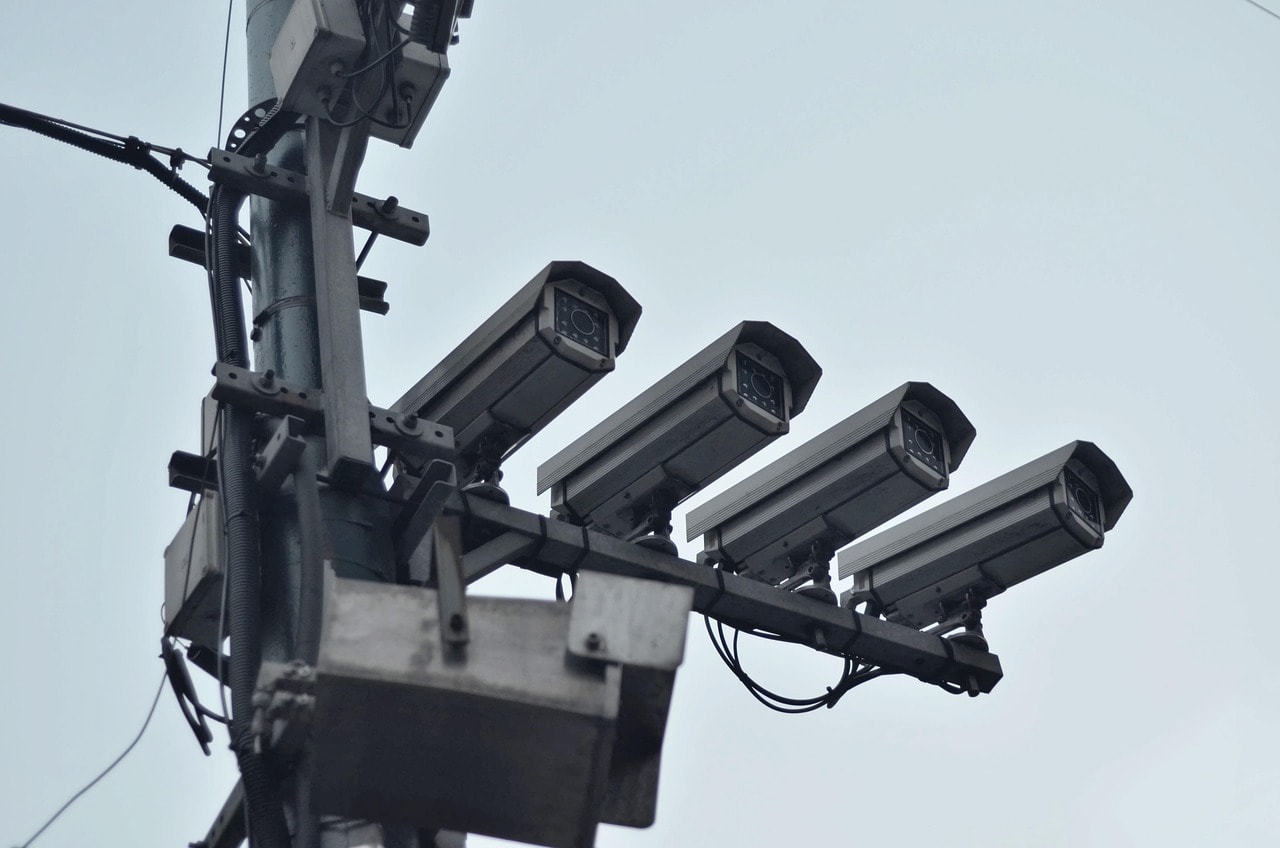
You walk into your regular supermarket, maybe to grab milk or some snacks. You're used to the security cameras—those familiar domes in the corners. But then you see it: a new, larger device with a different lens array, maybe with a small sign mentioning "enhanced security" or "theft prevention." That's when it hits you. This isn't just CCTV anymore. This is facial recognition, and it's scanning everyone who walks through the door.
This exact moment of realization is what a Reddit user recently described, and it's becoming a more common experience in 2025. The creeping normalization of biometric surveillance in everyday retail spaces represents a fundamental shift in how we're tracked. It's one thing to know about facial recognition at border controls or in high-security areas. It's entirely different to encounter it during a mundane grocery run.
In this article, we'll explore why this shift is happening, what data is being collected, and—most importantly—what you can actually do about it. We'll move beyond theoretical privacy concerns and into the practical reality of living in a world where your face is a data point for corporations and potentially governments. This isn't about fearmongering; it's about understanding the landscape so you can make informed choices.
From Passive CCTV to Active Biometric Scanning: Understanding the Shift
Let's start with the basics. Traditional CCTV cameras are largely passive recording devices. They capture footage that might be reviewed later if an incident occurs. The footage is often low-resolution, stored for a limited time, and its primary function is deterrence and evidence collection. You might see 20 of them on a walk, as the Reddit user did, and they've become background noise in our urban environment.
Facial recognition cameras are a different beast entirely. They're active scanning systems. They don't just record pixels; they process them in real-time. Sophisticated algorithms map the geometry of your face—the distance between your eyes, the shape of your jawline, the contour of your cheekbones. This creates a unique mathematical template, often called a "faceprint." This template can then be instantly compared against a database.
Why the sudden push into supermarkets and retail? The drivers are multifaceted. Retailers pitch it as a solution for "loss prevention," claiming it can identify known shoplifters the moment they enter the store. There's also the allure of "customer analytics"—tracking how long you linger in the cereal aisle, whether you're a repeat customer, and linking your in-store behavior to other data. And let's be honest, after the pandemic, there was a surge in investment for touchless and automated systems. Facial recognition got wrapped up in that tech-forward wave.
The problem is the sheer intimacy of the data. A credit card transaction is a record of a single event. A faceprint is a persistent, biometric identifier. It's you. It can't be changed like a password. Once it's in a system, it's there, vulnerable to breaches, mission creep, and unauthorized use.
"What Are They Actually Doing With My Face?" The Data Lifecycle
This is the core question from the original discussion, and it's a good one. When you're scanned, what happens next? The answer varies wildly depending on the company, the jurisdiction, and the specific system, but we can outline the common pathways.
First, the capture. The camera takes your image and creates that mathematical faceprint. In some basic systems, this is done locally on the device and isn't stored—it's just used for a one-time match against a watchlist. But more advanced systems, especially those tied to "customer experience" platforms, will store that faceprint, often linking it to other data. Did you use a loyalty card? Now your face is tied to your purchase history. Did you pay with a credit card? Now it's potentially tied to your name and address.
Second, the database. This is the critical part. Who owns this database? Is it the supermarket's private system? Is it shared with a third-party security firm like Facewatch or BriefCam? Is it, in some jurisdictions, accessible by law enforcement through partnerships or warrants? In 2025, we're seeing a consolidation of these biometric databases, creating powerful hubs of identifiable information.
Third, the use case. This is where "function creep" is a major concern. A system installed for shoplifting prevention might later be used to analyze customer demographics, track employee productivity, or even identify individuals with outstanding debts. There's rarely a transparent, legally-binding firewall preventing these new uses once the infrastructure is in place.
And finally, retention. How long is your faceprint kept? Days? Years? Indefinitely? In many places, there are no legal limits. This creates a historical record of your movements and associations that grows with every scan.
The Legal Gray Zone: Where Are You Protected?
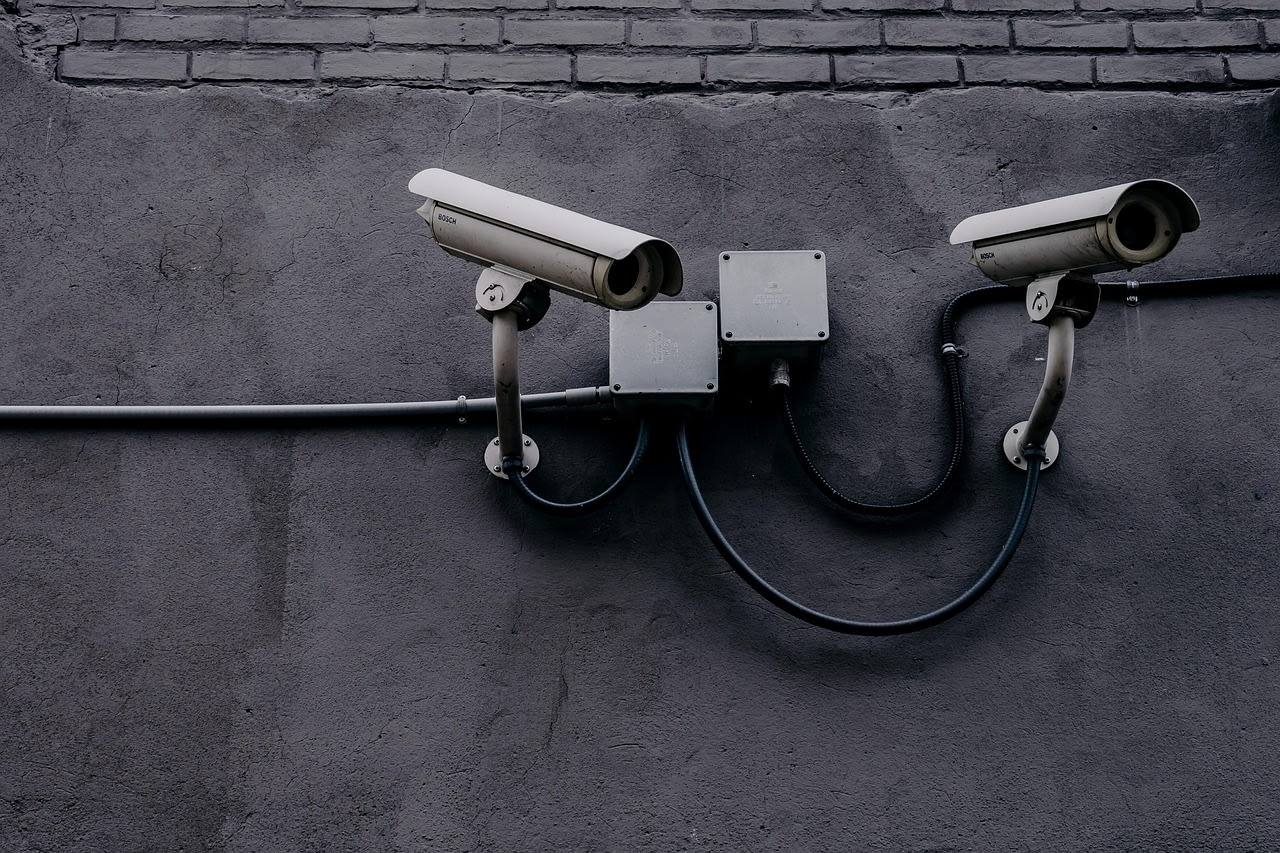
Here's the unsettling truth: in many countries, including large parts of the United States, there is no comprehensive federal law regulating private companies' use of facial recognition. Your protections are a patchwork quilt of state laws and industry self-regulation.
Some places, like Illinois with its Biometric Information Privacy Act (BIPA), are relatively strong. BIPA requires companies to get informed written consent before collecting biometric data, mandates a public written policy on retention, and prohibits profiting from that data. It's why you sometimes see those "we use facial recognition" signs—they're trying to establish "notice," though true informed consent is debatable when the alternative is not shopping there.
In the European Union, the General Data Protection Regulation (GDPR) treats biometric data for identification as a "special category" of personal data, processing of which is generally prohibited unless you give explicit consent or a few other narrow exceptions apply. However, enforcement is inconsistent, and companies often design systems to barely skirt the requirements.
Most其他地方, you're in a wild west scenario. The store's privacy policy, buried on their website, is your only guide. And those policies are often vague, granting broad rights to use "security footage" and "operational data." They rarely spell out the specifics of real-time biometric processing.
This legal ambiguity means the burden of protection falls disproportionately on you, the individual. You have to be your own advocate, which requires knowing what to look for and what questions to ask.
Practical Self-Defense: What Can You Actually Do?
Okay, so it's unsettling. But feeling powerless is worse. Here are concrete, actionable steps you can take, moving from simple to more involved.
1. Develop Recognition Radar. Start noticing the hardware. Facial recognition cameras often look different. They might be larger, with multiple lenses or sensors (like infrared for 3D mapping). They may be positioned at choke points like entrances, not just covering aisles. Look for small placards or stickers—sometimes they're legally required to provide notice, though the text can be tiny.
2. Ask Questions. This is powerful and underused. Find a manager or customer service and ask politely: "I noticed your new security system. Does it use facial recognition technology?" You don't need to be confrontational. Just ask. If they say yes, follow up: "Can you tell me how that data is used and stored? Is there an option to opt-out?" Even if you don't get a clear answer, you've signaled that customers are paying attention. If enough people ask, it becomes a business concern.
3. Understand (Limited) Opt-Outs. In some jurisdictions with notice laws, you might have a de facto opt-out: don't enter the premises. That's a terrible choice, of course. A few more progressive systems might offer a formal opt-out process, often requiring you to submit your own photo to be added to a "do not scan" list. It's ironic, but it exists. Check the company's privacy policy for an email address or web form.
4. Consider Physical Obscurement. This is where it gets tricky. Masks, large hats, and scarves can interfere with facial detection. In 2025, some are experimenting with more sophisticated methods like reflective glasses or IR-blinking LEDs that confuse the sensors. Be aware, though, that some private properties can ban face coverings, and drawing attention to yourself might have unintended consequences. It's a personal risk assessment.
For those interested in the technical counter-surveillance side, specific products have emerged. Reflective Privacy Glasses can help scatter light, and IR LED Hats are a more experimental approach. Their effectiveness varies by system.
The Bigger Picture: Pushing for Systemic Change

Individual actions are necessary, but they're not sufficient. We also need systemic, societal pressure. This is where the concerns from the Reddit thread translate into activism.
Support Strong Legislation. Follow and support organizations like the Electronic Frontier Foundation (EFF), Fight for the Future, and local digital rights groups. They lobby for laws that would require explicit, opt-in consent for biometric collection, impose strict data retention limits, create private rights of action for violations, and ban certain use cases altogether (like emotional recognition or use in public housing).
Use Your Wallet. When you identify a business using intrusive facial recognition, tell them why you're taking your business elsewhere. Send an email. Comment on their social media. Companies understand lost revenue. If a competitor markets itself as "biometric-free," give them your patronage and publicly praise that choice.
Demand Transparency. Advocate for laws that require clear, unambiguous signage—not tiny text on a door. The signs should state the purpose, the data controller's identity, and a simple way to get more information. True transparency would allow you to make a real choice before you're scanned.
This fight isn't about being against security or technology. It's about proportionality, consent, and control. It's about ensuring that the most uniquely personal identifier we have—our face—doesn't become just another barcode to be scanned without our knowledge or meaningful say.
Common Myths and Mistakes About Facial Recognition
Let's clear up some confusion that often pops up in these discussions.
Myth 1: "If I'm not doing anything wrong, I have nothing to hide." This is the classic retort. But privacy isn't about hiding wrongdoing; it's about autonomy and preventing abuse. It's about not wanting your movements, associations, and even your mood to be constantly logged and analyzed by private entities. History shows that powerful surveillance tools, once built, will be expanded beyond their original purpose.
Myth 2: "The technology is foolproof and accurate." It's not. Studies consistently show higher error rates for women, people of color, and younger/older faces. A false positive could see you mistakenly accused of shoplifting or denied entry. The consequences of an algorithmic mistake can be very real.
Mistake 1: Assuming all signage is legitimate. Some stores might put up generic "video surveillance" signs even when using facial recognition. Others might use overly technical language that obscures what's happening. The sign is a clue, not a definitive guide.
Mistake 2: Thinking a VPN protects you here. A VPN is crucial for online privacy—it masks your IP address and encrypts internet traffic. But it does absolutely nothing against an offline camera capturing your physical biometrics. This is a different layer of the privacy battle entirely. For protecting your digital footprint online, using a reputable VPN is still essential, but know its limits.
Mistake 3: Paralysis. The worst mistake is to think you can't do anything. Start with awareness. Then ask a question. Then maybe choose a different shop. Small actions aggregate.
What's Next? The Future of Public Space in 2025 and Beyond
The supermarket is just the beginning. In 2025, we're seeing pilots and deployments in fast-food restaurants (for "faster service"), stadiums, public transit, and even schools. The technology is becoming cheaper and more integrated into standard security camera systems.
The next frontier is emotion recognition—claiming to detect mood, stress, or attentiveness. This is even more invasive and scientifically dubious. Then there's the integration with other data streams. Imagine your face scan at the mall being linked to your social media profiles via image-matching algorithms that scrape public data from the web, creating a scarily complete profile without your knowledge.
The defining question of the next few years is this: Will public space remain a realm of relative anonymity and free movement, or will it become a zone of continuous, passive identification? The answer depends on the choices made by businesses, lawmakers, and—critically—by us as citizens and consumers pushing back.
The Reddit user's moment of startled realization is a canary in the coal mine. That feeling of unease is valid. It's your privacy intuition kicking in. Listen to it. Use it to fuel informed action, both in your daily choices and in demanding a world where technology serves people, not the other way around. Start by looking up the next time you walk into a store. Know what you're looking at. And decide what you're willing to accept.