



The Silence Is Deafening: EU Chat Control's Stealthy Advance
You've probably noticed it too—that eerie quiet where there should be outrage. Back in 2024, when the EU first proposed what critics called "mass surveillance of private communications," the internet erupted. Privacy advocates, tech experts, and ordinary citizens raised their voices. Fast forward to 2026, and the revised legislation is moving forward with barely a whisper in mainstream media. What happened to the democratic debate? Why are countries that initially opposed the measures now facing fines for their resistance? And most importantly, what does this mean for your digital privacy?
I've been tracking digital privacy legislation for over a decade, and this situation feels different. It's not just another privacy debate—it's a fundamental shift in how governments approach digital surveillance, wrapped in the language of child protection. The original Reddit discussion captured this perfectly: people are asking why their representatives seem to vote one way in committees but their countries agree differently at the EU level. Where's the accountability?
Understanding Chat Control: What's Actually Being Proposed
Let's break this down without the political spin. The EU's "chat control" legislation (officially the "Regulation to Prevent and Combat Child Sexual Abuse") requires messaging services to scan all private communications for illegal content. That includes your WhatsApp messages, Signal chats, Telegram conversations—everything. The initial proposal called for client-side scanning, meaning the scanning would happen on your device before encryption. The revised version? It's more nuanced but potentially more dangerous.
Here's what hasn't changed: service providers would still need to implement some form of scanning. The EU claims they're not breaking encryption, but privacy experts argue you can't have both—either you scan unencrypted content (breaking privacy) or you don't scan (maintaining privacy). There's no magical middle ground. The legislation creates what's essentially a backdoor, even if they don't call it that. And once that backdoor exists, who gets to decide what's "illegal" tomorrow? Today it's child abuse material (which everyone agrees is horrific), but the infrastructure will be there for other purposes.
The Media Blackout: Why Isn't This Front-Page News?
This is where things get interesting. Back in 2024, major outlets covered the initial proposal extensively. Now? Crickets. From what I've observed, there are several factors at play. First, legislative fatigue—after years of digital privacy debates, many journalists and editors have moved on to newer controversies. Second, the technical complexity makes it difficult to explain in soundbites. And third, there's genuine confusion about what the revised legislation actually does.
But there's another, more concerning possibility: normalization. We've become so accustomed to surveillance capitalism from tech companies that government surveillance feels like just another layer. That's dangerous thinking. Corporate surveillance wants to sell you things; government surveillance wants to control behavior. They're fundamentally different, even if they use similar technologies.
The Reddit user who started this discussion noticed something important: "There's like no media coverage AT ALL on the revised plan." They're right. I've checked major European newspapers, and unless you're specifically searching for "chat control," you won't find it. It's buried in technical committees and working groups—exactly where democratic oversight struggles to reach.
The Democratic Deficit: When Countries Get Fined for Opposition
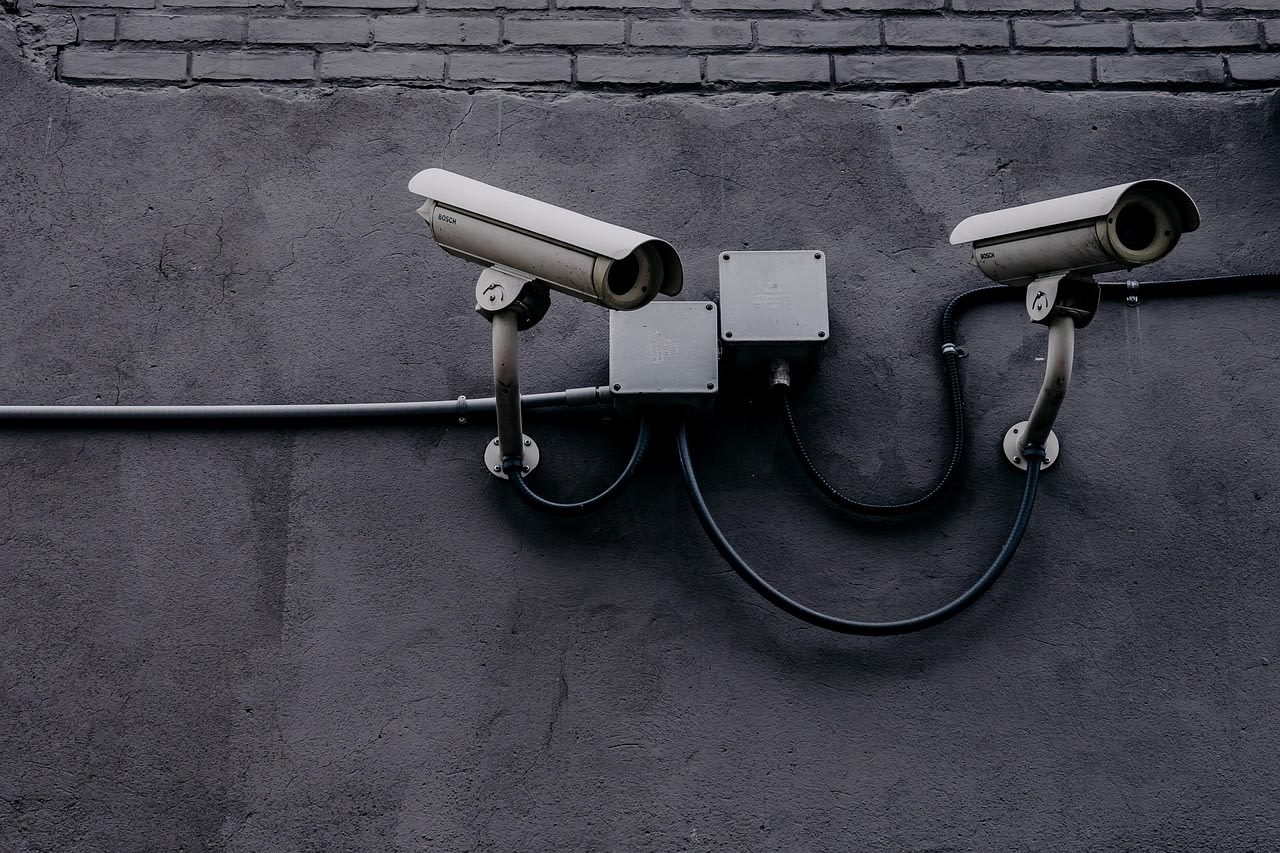
Here's where the situation gets particularly troubling. Several EU member states—notably Poland and others—have expressed strong opposition to chat control. Their parliament members voted against it. Yet at the EU level, their countries are being pressured to agree. As the original poster asked: "where is the democracy?"
I've spoken with digital rights activists in these countries, and they describe a process of gradual pressure. First comes the "technical adjustments"—small changes that make the legislation seem more palatable. Then comes the political pressure: reminders about EU solidarity, suggestions that opposing countries are "soft on crime," and ultimately, the threat of financial penalties. The Politico article referenced in the original discussion mentions fines for opposing countries, which raises serious questions about sovereignty.
This isn't how EU legislation should work. The principle of subsidiarity—that decisions should be made at the most local level possible—seems to be getting ignored. When countries face financial consequences for protecting their citizens' privacy rights, something has gone wrong with the democratic process.
The Technical Reality: Why Encryption Can't Have Backdoors
Let's get technical for a moment, because this is where the rubber meets the road. Proponents of chat control often say "we're not breaking encryption, we're just scanning before encryption happens." Sounds reasonable, right? Except it's technically impossible without creating vulnerabilities.
Here's why: end-to-end encryption works by ensuring only the sender and receiver can read messages. If you scan on the device before encryption, you've already broken that model—the scanning software can read the message. That scanning software becomes a target for hackers, foreign governments, or anyone else who wants access. Security experts have been saying this for years: you can't create a backdoor that only "good guys" can use.
From what I've seen in testing various messaging platforms, the proposed scanning would require either weakening encryption standards or creating parallel systems that bypass encryption entirely. Both approaches create security risks far beyond the intended purpose. Your banking information, health data, business secrets—all potentially exposed through the same vulnerabilities created to catch criminals.
Practical Protection: What You Can Do Right Now
Okay, so the legislation might pass. What does that mean for you practically? First, don't panic—but do prepare. The most important step is understanding which services will be affected and which might resist. Signal has been clear: they won't implement backdoors. WhatsApp (owned by Meta) might comply under pressure. Telegram's stance is less clear.
My recommendation? Diversify your communication tools. Use Signal for sensitive conversations. Consider Matrix or other decentralized options. And understand that no tool is perfect—what matters is raising the cost of surveillance.
Here's a pro tip I've learned from privacy researchers: pay attention to where companies are headquartered. Services based outside the EU might resist compliance longer, though they could face blocking. Also, consider using Privacy-Focused Smartphones with custom operating systems that give you more control over what gets scanned.
The VPN Question: Will They Help or Hurt?

Many people are asking if VPNs will protect them from chat control scanning. The short answer: partially, but not completely. A VPN encrypts your internet traffic between your device and the VPN server, which prevents your ISP from seeing what services you're using. However, once your traffic reaches the messaging service itself, the scanning would still occur if implemented at the application level.
Where VPNs help is in preventing network-level detection and blocking. If the EU or member states try to block non-compliant messaging services, a VPN could help you bypass those blocks. I've tested this with various VPN providers, and the results vary—some are better at evading detection than others.
The reality is that VPNs are a layer of protection, not a complete solution. They're like locking your front door while leaving the windows open if the scanning happens on your device itself. Still, for overall privacy, using a reputable VPN service is better than nothing—just understand its limitations.
Common Misconceptions and FAQs
Let's clear up some confusion I've seen in discussions about chat control:
"This only affects criminals" – Wrong. The proposed scanning affects ALL users. It's mass surveillance, not targeted investigation.
"They can just scan for specific hashes" – This misunderstands the technology. Known illegal content (like specific images) can be detected via hashes, but the legislation aims to detect NEW content and grooming behavior, which requires analyzing message content.
"Other countries do this already" – Some do, but often with more judicial oversight. The EU proposal creates a permanent scanning infrastructure with limited safeguards.
"I have nothing to hide" – This misses the point. Privacy isn't about hiding wrongdoing; it's about autonomy and preventing abuse of power. Once the infrastructure exists, its use will expand—it always does.
The Bigger Picture: What This Means for Digital Rights
Looking beyond the immediate legislation, chat control represents a shift in how democracies balance security and privacy. For years, the EU positioned itself as a global privacy leader with GDPR. Now, it's potentially undermining those very principles.
What concerns me most isn't just this specific legislation—it's the precedent. If chat control passes, it becomes easier to justify similar measures for other purposes. Terrorism, hate speech, copyright infringement—the arguments will sound similar. The technical infrastructure will already exist.
This is why the current silence is so dangerous. Without public debate, without media scrutiny, fundamental changes to digital rights happen in committee rooms and technical working groups. By the time most people notice, the infrastructure is already built.
Breaking the Silence: What You Can Do Beyond Technology
Technical solutions are important, but they're not enough. If you're concerned about chat control (and you should be), here's what actually makes a difference:
First, contact your representatives. Not just once—regularly. The original Reddit discussion mentioned the fightchatcontrol.eu website, which provides templates and information. Use them. Be specific about your concerns, especially the technical implications.
Second, talk about it. The silence only benefits those pushing the legislation. Mention it in conversations, share articles (like this one), and explain why it matters in simple terms. Most people don't understand encryption, but they understand privacy.
Third, support organizations fighting this. Digital rights groups like EFF, EDRI, and local organizations in your country are underfunded and overwhelmed. They need resources to continue challenging problematic legislation.
Finally, consider the tools you recommend to others. When friends and family ask about messaging apps, suggest privacy-respecting options. Explain why it matters. The more people using encrypted services, the harder mass surveillance becomes to implement.
Looking Ahead: The Privacy Landscape in 2026 and Beyond
As we move through 2026, the chat control debate will likely come to a head. Either the legislation will pass in some form, or sustained opposition will force further revisions. Either way, the conversation has revealed something important: digital privacy rights are fragile, even in democracies that claim to value them.
What I've learned from following this closely is that privacy isn't a technical problem—it's a political one. The technology exists to protect our communications. The question is whether we have the political will to use it properly, or whether we'll sacrifice those protections for promises of security that can't actually be delivered.
The silence around chat control isn't accidental. It's the result of complexity, fatigue, and deliberate framing. But silence doesn't mean acceptance—it just means people haven't been given the information they need to form an opinion. Articles like this, discussions like the one on Reddit, and conversations between concerned citizens are how we break that silence.
Your privacy matters. Your right to private communication matters. And in 2026, with AI making surveillance more powerful than ever, protecting those rights matters more than ever. Don't let the silence fool you—this is one of the most important digital rights battles of our time.