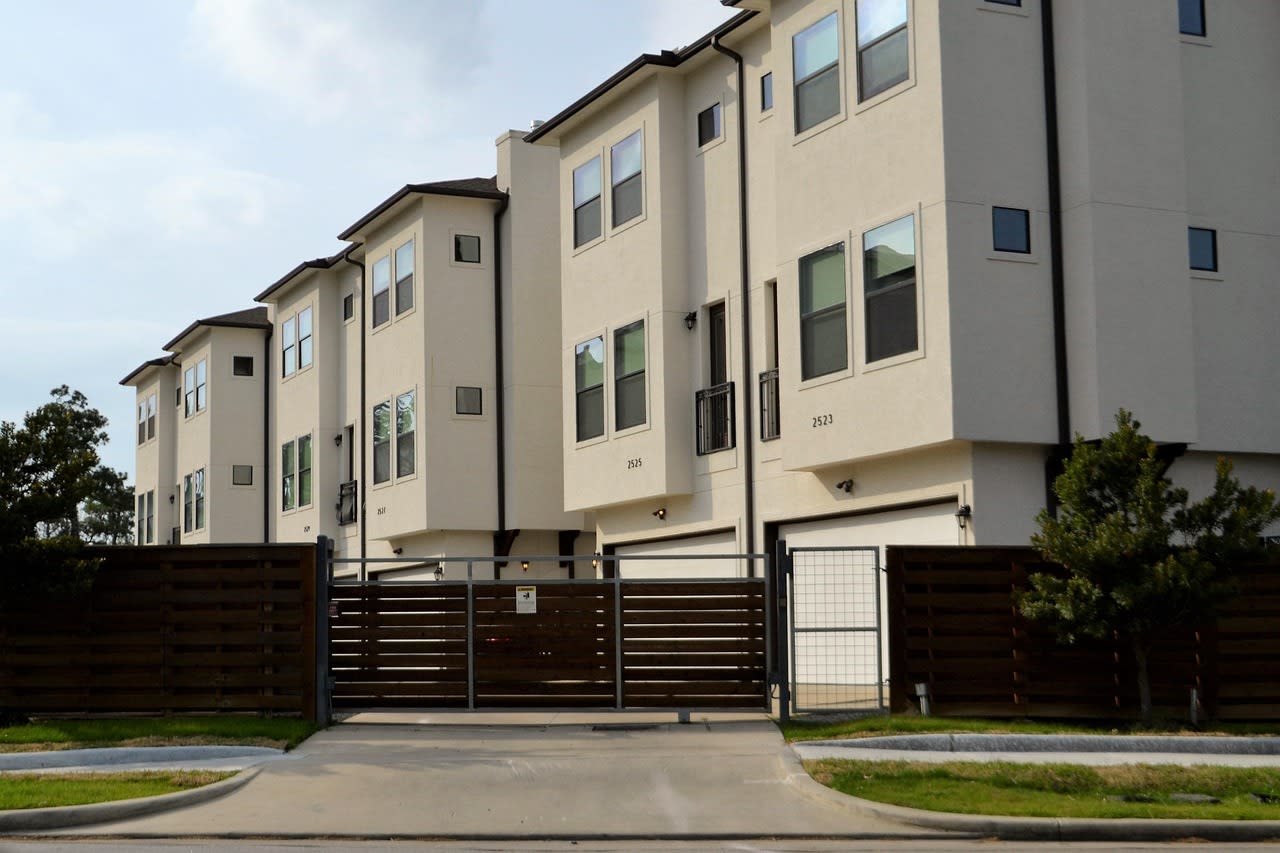
Introduction: The $20 Bills Hiding in Your Driveway
Let me ask you something. How many times have you looked at your empty driveway and thought... nothing? Absolutely nothing. It's just concrete or asphalt sitting there, doing exactly zero work for you 90% of the time.
I was exactly the same. Until my neighbor mentioned something that changed everything. "People are always parking on our street during the arena shows," he said casually. Three blocks from a major concert venue. A long driveway that fits two cars easily. And me, completely oblivious to the cash machine right outside my front door.
That was eight months ago. Since April, I've been renting out my driveway through parking apps, and honestly? It's been the easiest money I've ever made. We're talking $20 per event, shows happening twice a week, people booking ahead automatically. I don't even have to be home. The payment hits my account, and all I do is make sure my own car isn't there during the booked times.
But here's what that Reddit post didn't tell you—the questions people actually asked, the concerns they raised, and the real-world details that make this work or break it. In this guide, I'm sharing everything I've learned from eight months of actual experience, plus answering every question from that viral discussion. This isn't theory. This is what happens when you actually do it.
Why Your Empty Driveway is a Goldmine (Especially in 2025)
First, let's talk about why this works now better than ever. We're in 2025, and the landscape has shifted dramatically. Concert and sports attendance has fully recovered—actually, it's exploded. People are going out more than ever, but venue parking hasn't kept up. Prices at official lots have skyrocketed. I've seen arena parking hit $40, $50, even $60 for premium events.
Meanwhile, rideshare costs have increased too. That $15 Uber from a few years ago is now $30+ with surge pricing. So drivers are looking for alternatives. They want to park within walking distance, save money, and avoid the traffic nightmare of venue lots.
Your driveway sits in the perfect sweet spot. You're offering convenience at a discount. At $20, you're half the price of the official lot, and they get to walk just three blocks instead of dealing with the parking garage chaos. It's a no-brainer for them, and for you, it's money for space you weren't using anyway.
The economics are stupidly simple. Let's say you have two events per week at $20 each. That's $40 weekly, $160 monthly, nearly $2,000 annually. For literally doing nothing except moving your car. And that's conservative. During busy seasons, I've had four events in a week. Holiday concerts, back-to-back game nights, festival weekends—the calendar fills up fast.
The Parking Apps That Actually Work (And One Surprising Alternative)
When I started, I had no idea which app to use. The original poster mentioned "one of those parking apps" but didn't specify. Big mistake people make—they just pick the first one they see. But not all apps are created equal, especially in 2025.
After testing several, here's what I found works best:
SpotHero dominates in major cities and near venues. Their interface is clean, they handle payments securely, and they have good customer support. The commission is typically 15-25%, which feels fair for the service they provide. They handle the marketing, the booking platform, the payment processing—you just provide the space.
ParkMobile has expanded beyond just meter payments into private space rentals. Their advantage? Name recognition. People already have the app on their phones for street parking, so booking your driveway feels familiar. Their cut is similar to SpotHero's.
Neighbor takes a different approach—it's more for monthly storage than event parking, but in dense urban areas near venues, you can list for events too. Their insurance coverage is more comprehensive, which brings us to an important point...
But here's the alternative nobody talks about: old-school signage and local Facebook groups. Seriously. While I use apps for most bookings, I also have a simple "Event Parking $20" sign I put out during big events. Cash only. No commission. And you'd be shocked how many people still prefer to pay cash on the spot rather than book through an app. I make an extra $40-60 monthly just from the sign.
The key is using both. Let the apps handle the advance bookings and provide legitimacy, but don't ignore the spontaneous parkers who see your sign and pull in.
The Questions Everyone Actually Asks (Answered from Experience)
That Reddit thread had 61 comments full of questions. Real concerns from real people considering this. Let me address the big ones directly.
"What about insurance and liability?"
This was the number one concern, and rightly so. If someone gets hurt on your property, or their car gets damaged, who's responsible?
Here's the reality: Most parking apps provide some level of liability coverage. SpotHero, for example, has a $1 million liability policy that covers hosts. But—and this is crucial—you need to read the terms. This coverage typically applies only while using their platform. If you take cash directly, you're on your own.
You should also check with your homeowner's insurance. Some policies have exclusions for commercial activities. A quick call to your agent can clarify this. In my case, my policy was fine with occasional rental as long as it wasn't a full-time business operation.
Pro tip: Take timestamped photos before and after each rental. Just quick shots showing the condition of your driveway and any adjacent areas. If there's ever a dispute about damage, you have documentation.
"Don't neighbors get pissed?"
Another excellent question. Yes, they absolutely can. But there are ways to manage this.
First, I talked to my immediate neighbors before starting. Not asking permission—it's my property—but giving them a heads up. "Hey, I'm going to try renting my driveway during arena events. Just wanted you to know so you're not surprised by extra cars." This simple conversation prevented 90% of potential issues.
Second, I'm selective about timing. I only rent during actual event hours, not overnight (unless it's a special circumstance). Cars arrive an hour before the event, leave within an hour after. They're not sitting there all day and night.
Third, I include clear instructions in my listing: "Please be respectful of neighbors, no loud music when arriving/departing, no blocking driveways." Most people are just happy to find parking and follow the rules.
"What about taxes?"
Ah, the IRS. Yes, this income is taxable. The apps will send you a 1099 if you earn over $600 in a year. You need to report it as miscellaneous income.
But here's where it gets interesting: You can deduct expenses. A portion of your property taxes, maintenance costs for the driveway, even a percentage of your home insurance. I keep a simple spreadsheet tracking all driveway-related expenses. If you want to get fancy, you could even automate data collection from your parking apps, but a basic spreadsheet works fine for most people.
For most people doing this casually, we're talking a few thousand dollars annually. It's not going to change your tax bracket, but you do need to report it. Consult with a tax professional if you're making significant money—which some people near major venues definitely are.
Setting Up for Success: The Practical Details That Matter
Okay, so you're convinced. How do you actually set this up right? Here's my step-by-step from eight months of trial and error.
First, assess your space honestly. Not just "fits two cars." Measure it. Are there obstacles? Low-hanging branches? Is the surface in good condition? Take photos from multiple angles. Be brutally honest about any limitations—it prevents problems later.
Create clear boundaries. I use inexpensive traffic cones to mark the parking area. Not only does this guide drivers, but it physically protects my lawn and landscaping. You could also use temporary marking paint or even rope lights for evening events.
Develop a system for access. Most apps handle this digitally—you provide a gate code or instructions. But what about physical access? I have a lockbox with a key for my gate, and I change the combination monthly. Some people use keypad entries or even smart locks. The goal is to never need to be physically present to let someone in.
Create an information packet. Not really a packet, but a set of clear instructions you can send through the app: Where exactly to park, where NOT to park, how to enter/exit, WiFi password if you're feeling generous, and emergency contact information. The more information you provide upfront, the fewer questions you'll get during the rental.
One thing I invested in that paid off: Wireless Driveway Alarm. It's a simple sensor that chimes inside when a car enters my driveway. I know when someone arrives without having to watch constantly. For about $40, it gives me peace of mind.
Pricing Strategy: How Much Should You Really Charge?
The original poster charged $20. Is that right for you? Maybe. Maybe not.
Pricing depends on several factors:
- Distance to venue: Three blocks is prime real estate. Six blocks might be $15. Right next door could be $30.
- Event type: Taylor Swift commands higher prices than a Tuesday night hockey game.
- Parking scarcity: What are the official lots charging? What's available on the street?
- Your amenities: Basic driveway? $20. Covered carport? $30. Secure garage? $40+.
My strategy: Start competitive, then adjust based on demand. I began at $20, same as the Reddit user. But I noticed my spots were booking instantly for certain events. So I experimented. For major concerts, I raised to $25. Still booked. For weekend events versus weeknights? Different pricing.
The apps often suggest pricing based on location and event data. Pay attention to these suggestions—they're based on actual market conditions.
Also consider dynamic pricing. Some apps let you set higher prices for high-demand events automatically. If you're near a venue that has variable demand, this can significantly boost your earnings.
One more tip: Offer a slight discount for multi-spot bookings. If someone wants to park two cars, charge $35 instead of $40. It fills both spots and reduces the coordination effort on your end.
Common Mistakes (And How to Avoid Them)
I made some mistakes. You don't have to. Here's what to watch out for.
Mistake #1: Not checking the event calendar. I once double-booked myself—had friends over for a BBQ the same night as a major concert. Had to cancel a booking last minute, which hurts your rating on the apps. Now I sync the venue calendar with my personal calendar religiously.
Mistake #2: Poor communication. Early on, I'd just assume people would figure things out. Bad idea. Now I send a confirmation message with clear instructions as soon as someone books. Include the basics: address, parking instructions, access method, and what to do if they have issues.
Mistake #3: Ignoring maintenance. Your driveway is now a revenue-generating asset. Treat it like one. Fill potholes promptly. Keep it clean. In winter, shovel and salt. A well-maintained space gets better reviews and repeat customers.
Mistake #4: Being too available. This sounds counterintuitive, but setting boundaries is crucial. I don't respond to booking requests at midnight. I have set "office hours" for communication. Otherwise, this side hustle starts to feel like a 24/7 job.
Mistake #5: Not tracking everything. Income, expenses, which events book well, which don't, customer feedback. This data helps you optimize. A simple notebook or spreadsheet works. If spreadsheets aren't your thing, you can hire someone on Fiverr to set up a simple tracking system for you.
Scaling Beyond Your Driveway
Here's where it gets really interesting. Once you've mastered your own driveway, what's next?
Some people in that Reddit discussion mentioned managing multiple properties. They'd approach neighbors who weren't using their driveways and offer to manage listings for a percentage. You handle everything—listing, communication, issues—and split the income 50/50 or 60/40.
Think about it. If you manage five driveways near a venue, each earning $200 monthly, that's $1,000. Your cut at 40% is $400 monthly for essentially scaling what you're already doing.
Another approach: Partner with local businesses. Restaurants that close during evening events might rent their lots. Churches with empty parking lots on Saturday nights. You act as the intermediary, handling the parking logistics while they earn passive income from otherwise empty space.
The key is systems. Create templates for everything—listing descriptions, instruction sheets, communication scripts. The more you systemize, the more properties you can manage without going crazy.
The Real Bottom Line: Is This Actually Worth It?
Let's be honest. This isn't going to replace your full-time job (unless you really scale it). But as passive income goes, it's remarkably efficient.
Consider the time investment versus return. Setting up took me maybe 5 hours total—researching apps, taking photos, creating listings. Ongoing time is maybe 30 minutes weekly checking bookings and sending instructions. For $160+ monthly, that's an excellent hourly rate.
More importantly, it's truly passive once set up. The apps handle booking and payments. People follow the instructions you've created. You're not actively working during the events.
There's also an unexpected benefit: Community. I've met interesting people from all over who park in my driveway. Musicians heading to the venue, couples on date nights, families going to their first concert. It's a tiny connection to the vibrant events happening just blocks away.
The biggest reward? Changing how you see assets. That driveway wasn't just concrete anymore. It was an income stream. That shift in perspective is powerful. It makes you look at other "wasted" assets differently—storage space, tools you rarely use, even your skills.
Getting Started This Weekend
Ready to try it? Here's your action plan:
- Research your local venue calendar for the next month. How many events? What types?
- Check competing parking—drive by the venue lots, check prices on parking apps.
- Choose one app to start—SpotHero or ParkMobile are safe bets.
- Take great photos of your driveway at different angles, daytime preferred.
- Create your first listing with honest description and competitive pricing.
- Set your availability for the next few events.
- Tell a neighbor as a courtesy.
- Book your first spot and refine your process from there.
That's it. The barrier to entry is incredibly low. The worst that happens? You make a few extra bucks. The best? You discover one of the most genuinely passive income streams available to regular homeowners.
Eight months in, I'm still amazed this works. The notifications still give me a little thrill—"Booking confirmed: $20." For moving my car. It feels like finding money in pockets of old jeans, except the pockets refill themselves twice a week.
Your driveway is waiting. It might just be the easiest money you ever make.