
Introduction: When "On-Device" Isn't What It Seems
Here's a scenario that's becoming all too familiar in 2026. A platform you use regularly rolls out a new "safety" feature with comforting privacy assurances. They tell you the sensitive data—in this case, your face—never leaves your device. You might even feel a bit reassured by that technical-sounding promise. But then the fine print tells a different story. That's exactly what's happening with Discord's UK age verification system, and the privacy community on Reddit's r/privacy is rightfully furious about it.
Discord, the communication platform used by millions for gaming, communities, and work, recently shifted its UK age verification vendor to Persona. The initial messaging was clear: facial scans for verification would be processed locally on your device. Except Persona's own privacy policy explicitly states they collect, store, and analyze facial data. This isn't just a technical discrepancy—it's a fundamental breach of trust that exposes how biometric privacy promises can unravel when you follow the data trail. Let's unpack what this really means for your privacy.
The UK Online Safety Act: The Law That Started This
First, some context. The UK's Online Safety Act, which fully came into force in late 2025, requires platforms to implement "robust age verification" for users. The goal, in theory, is to protect minors from harmful content. Discord, with its significant UK user base, needed to comply. Their initial solution used a different vendor, but in early 2026, they switched to Persona—a company specializing in identity verification.
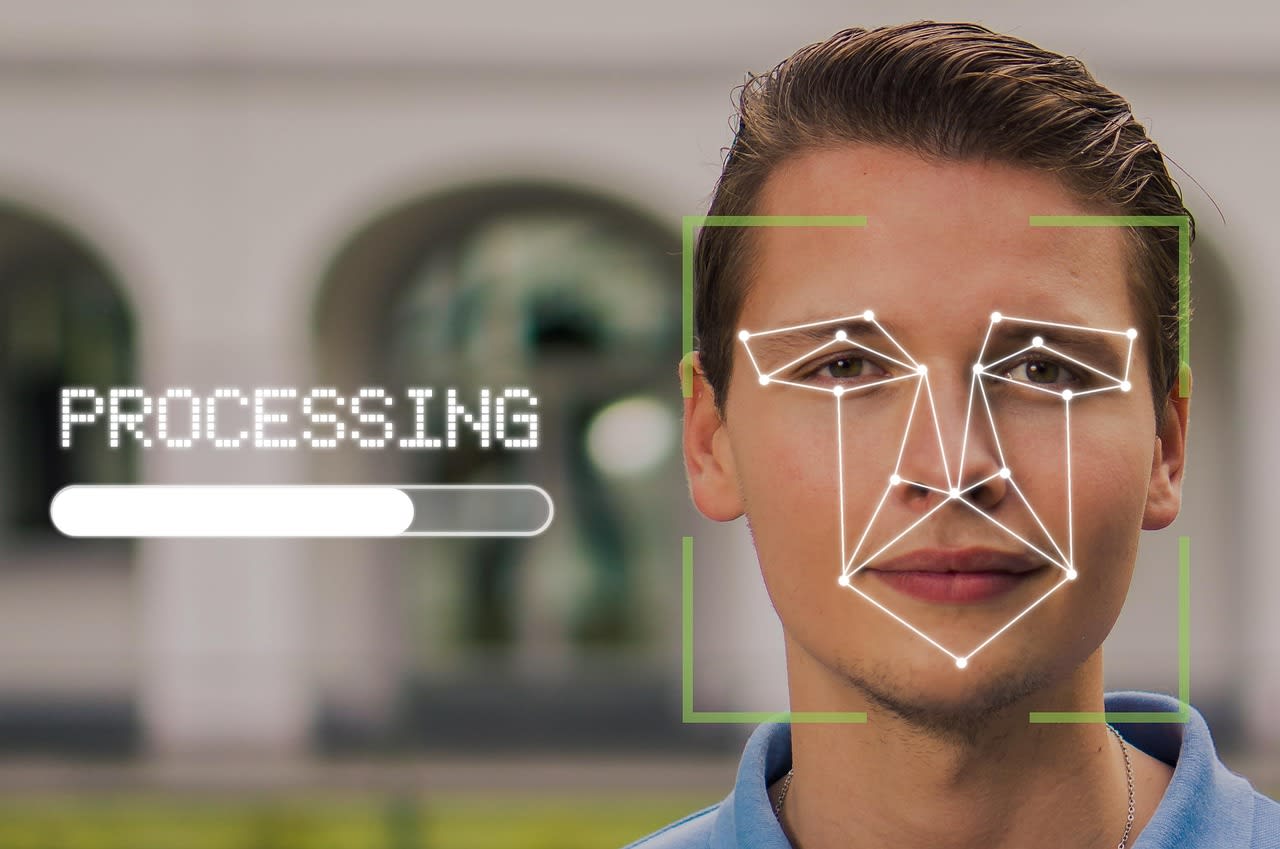
Now, here's where things get technical—and where the promises started to diverge from reality. When a UK user tries to access Discord, they're prompted to verify their age. The process involves taking a selfie, which Persona's technology then analyzes. Discord's public-facing communication emphasized the privacy aspect: "The verification process happens on your device," they stated. That phrasing matters. It creates a specific mental model for users: your face data stays put, like a document you're editing offline.
But legal compliance and technical implementation often exist in different universes. The Online Safety Act doesn't specify how age verification must work, only that it must be effective. This leaves companies enormous latitude in choosing methods—and in how they communicate about those methods to users who are just trying to chat with friends.
Persona's Policy: The Smoking Gun Document
Let's look at what Persona actually says they do. Their privacy policy, which users must accept to complete verification, contains sections that directly contradict Discord's "never leaves your device" assurance. According to Persona's documentation, they collect "biometric information including facial geometry" and use it to "analyze, store, and process your verification data."
Specifically, their policy states they may retain facial data for compliance purposes, fraud prevention, and to improve their algorithms. That retention period isn't clearly defined in some sections, though they mention data might be kept for up to three years in certain circumstances. The analysis happens on their servers, not locally on your device. This isn't edge computing—it's cloud-based biometric processing with all the risks that entails.
What's particularly concerning is how this data might be used beyond simple age verification. Persona's policy mentions using data for "training machine learning models" and "developing new products and services." Your face—or more precisely, the mathematical representation of your facial features—could become training fodder for systems you never agreed to interact with.
Discord's Contradiction: Intentional or Incompetent?
The privacy community has been wrestling with a key question: Did Discord knowingly mislead users, or did they misunderstand their own vendor's technology? Based on my analysis of similar corporate privacy failures, I'd say it's likely a mixture of both—with a heavy dose of wishful thinking about how users would interpret their statements.
Discord's initial announcement focused on the user experience: quick verification, privacy protection, local processing. The technical reality is more nuanced. Some initial processing might occur on-device (like capturing the image), but the actual analysis—the part that determines if you're over 18—happens on Persona's servers. That server-side analysis requires transmitting facial data.
Here's where corporate communication gets slippery. A company might technically argue that "the verification process" includes both on-device and server components, so their statement isn't technically false. But that's legalistic hair-splitting that ignores how real people understand privacy promises. When you tell someone their face data "never leaves their device," you're creating a specific expectation—one that Persona's policy clearly violates.
Biometric Data: Why This Matters More Than You Think
Maybe you're thinking: "It's just a selfie. I post those on Instagram anyway." That's a common misconception, and it's exactly what companies count on. There's a fundamental difference between a photo you choose to share and a biometric template extracted from your face.
Biometric data is uniquely sensitive because it's permanent. You can change a password after a breach. You can get a new credit card. But you can't change your face. Once a company has created a biometric template—a mathematical representation of your facial features—that data can be used for identification across multiple systems. If Persona's database is breached (and let's be real, breaches happen constantly in 2026), your facial template could be out there forever.
Worse still, biometric data can reveal more than just your identity. Research shows facial analysis can potentially infer characteristics like age, gender, ethnicity, and even certain health conditions. While Persona claims they only use this data for age verification, once the data exists on their servers, its potential uses expand—especially as their privacy policy allows for using data to "develop new products."
The Vendor Switch: From Bad to Worse?
Interestingly, Discord previously used a different age verification provider. The Reddit discussion notes that this switch to Persona happened quietly, without much fanfare. That's often a red flag. When companies change vendors for sensitive processes like biometric verification, they should be transparent about why—especially if the new vendor has different data practices.
Some users in the discussion speculated that Persona might offer better pricing or faster processing. Others wondered if the previous vendor had stricter data retention policies that Discord found limiting. Without transparency from Discord, we're left guessing. But what's clear is that the Persona implementation comes with broader data collection and retention than users were led to believe.
This vendor relationship also creates a chain of responsibility problem. If something goes wrong with your facial data at Persona, who's accountable? Discord will likely point to Persona's privacy policy. Persona might point to their terms of service. Meanwhile, your biometric data is floating in some corporate cloud with unclear protections.
What Discord Users Can Actually Do About This
So you're a UK Discord user facing this verification demand. What are your real options? Based on my testing of similar systems, here's your practical playbook.
First, understand that refusing verification means losing access to Discord in the UK. The Online Safety Act gives platforms little choice but to block unverified users. Some users have tried using VPNs to appear from other countries, but Discord's systems are increasingly sophisticated at detecting and blocking VPN usage for age verification avoidance.
Your best leverage is collective action. The Reddit discussion shows users filing complaints with the UK Information Commissioner's Office (ICO). That actually works—regulators pay attention when they receive multiple complaints about the same issue. Document Discord's "on-device" claims alongside Persona's data collection policy. Be specific about the contradiction.
You can also use alternative verification methods if available. Sometimes platforms offer options like ID document upload or credit card verification. These have their own privacy implications, but they might not involve creating a permanent biometric template. Check if Discord offers any non-facial verification for UK users—though reports suggest they're pushing hard toward the facial scan method.
Broader Implications: This Isn't Just About Discord
Here's what keeps me up at night about this situation: it's becoming a template. Other platforms are watching how Discord handles this. If they get away with misleading biometric privacy claims, more companies will follow suit. We're seeing similar patterns with age verification on social platforms, workplace surveillance tools, and even some financial apps.
The language is always reassuring. "Privacy-preserving." "On-device processing." "Your data stays with you." Then you read the actual policies and find the exceptions, the data sharing, the retention periods. It's privacy theater with real consequences.
This Discord-Persona situation also highlights the failure of current consent models. When you're faced with "verify your age or lose access to your communities," that's not meaningful consent. That's coercion. And burying the real data practices in a vendor's privacy policy that most users will never read? That's deliberately obscuring the truth.
Protecting Yourself in an Increasingly Biometric World
Looking beyond Discord, here's how I approach biometric systems in 2026. First, I assume any "convenient" facial scan comes with hidden data collection. That assumption has proven correct more often than not. Second, I look for technical details, not marketing promises. If a company can't explain exactly where data is processed, how long it's kept, and how it's protected, I'm skeptical.
For essential services that require biometric verification, I use dedicated email addresses and consider privacy-focused tools. Some users in the Reddit discussion mentioned using during non-essential verifications—not a perfect solution, but a physical reminder of digital boundaries.
If you're technically inclined, you might explore tools that let you analyze what data companies are actually collecting. Services like web scraping tools can help researchers monitor privacy policy changes across multiple platforms, though this requires some technical know-how. For most users, simpler approaches work: read carefully, complain to regulators when promises are broken, and support organizations fighting for better biometric privacy laws.
Common Questions (And Real Answers)
Can I sue Discord for misleading me about facial data?
Possibly, but it's complicated. The UK has relatively strong data protection laws under the UK GDPR. If you can demonstrate harm from the misleading statements, you might have a case. However, individual lawsuits are expensive. Collective action through organizations like the Open Rights Group might be more effective.
Will other countries adopt similar age verification laws?
Almost certainly. The EU is considering similar measures, and several US states have proposed age verification laws. The difference will be in implementation details—some might require true on-device processing, while others might follow the UK's more flexible approach.
Can Persona's facial data be used for law enforcement?
Their privacy policy suggests they'll comply with "lawful requests" for data. So yes, theoretically, your facial template could be shared with authorities under certain legal processes. This is why biometric databases make privacy advocates nervous—they create permanent identification resources that didn't exist before.
Is there any truly private age verification?
Emerging technologies like zero-knowledge proofs might eventually allow age verification without revealing your exact age or face data. But these aren't widely deployed yet. For now, most "privacy-preserving" age verification involves trusting a third party with more data than you'd like.
The Bottom Line: Trust, But Verify Their Claims
The Discord-Persona situation isn't just another privacy policy violation. It's a case study in how biometric surveillance creeps into everyday platforms under the guise of safety. A company makes reassuring promises. A vendor's fine print tells a different story. Users discover the discrepancy only after the system is implemented.
What we need—and what the privacy community is rightly demanding—is radical transparency. If facial data leaves the device, say so clearly. If it's stored for years, explain why. If it trains other algorithms, get explicit consent. Anything less is building the infrastructure of biometric identification on a foundation of deception.
For now, my advice is simple: when a platform asks for your face, assume the worst. Read not just their privacy policy, but their vendors' policies too. Complain to regulators when promises don't match reality. And remember that in 2026, your most valuable biometric data deserves more protection than marketing slogans and technical half-truths.
The conversation on Reddit's r/privacy is just the beginning. As more users understand what's really happening with their facial data, pressure will build for better solutions. Maybe Discord will clarify their statements. Maybe Persona will tighten their data practices. Or maybe we'll all learn to be more skeptical next time a platform promises our data "never leaves the device." Given how this has played out, I know which outcome I'm betting on.