
The Reddit Thread That Exposed Cybersecurity's Open Secret
It started with a simple question on r/cybersecurity that racked up 416 upvotes and 228 comments: "Is everyone actually miserable in this subreddit?" The original poster—someone who genuinely loves their job—wasn't judging. They were just curious. And the responses? Well, they painted a pretty bleak picture.
"I'm burnt out after 5 years," one comment read. Another: "The constant pressure to know everything is exhausting." Yet another: "I feel like I'm constantly fighting a losing battle against threats and management that doesn't get it."
But here's what's really interesting—and what connects this directly to our world of VPNs and privacy. Many of those miserable cybersecurity professionals cited something specific: the erosion of personal privacy, the 24/7 nature of digital threats, and the psychological toll of living in a state of constant vigilance. It's not just about work stress. It's about how the very digital landscape we're paid to protect is making us sick.
Why Cybersecurity Work Erodes Personal Privacy (And Sanity)
Let's talk about the elephant in the server room. Cybersecurity professionals spend their days thinking about threats most people never consider. We see data breaches before they're public. We know exactly how vulnerable everyone's personal information really is. And that knowledge? It doesn't just stay at the office.
In my experience, this creates a unique form of digital paranoia. You start seeing potential threats everywhere—in every app permission, every public Wi-Fi network, every "free" service that wants your data. One Redditor put it perfectly: "After spending 8 hours analyzing attack vectors, I come home and can't even enjoy my smart home devices without thinking about how they could be compromised."
This isn't just professional concern bleeding into personal life. It's the realization that the digital world we've built is fundamentally hostile to privacy. And when your job is to point out that hostility every single day, it wears on you. The constant context switching between "work security" and "personal security" creates mental fatigue that most careers don't demand.
The 24/7 Threat Landscape: There's No "Off" Switch
Here's something most people don't understand about cybersecurity in 2025: threats don't respect business hours. Ransomware attacks happen on weekends. Data breaches get discovered at 2 AM. Nation-state actors operate across time zones. And this creates what one commenter called "ambient anxiety"—a low-grade stress that you might be missing something important at any moment.
I've tested dozens of monitoring tools and alert systems, and here's the dirty secret: the better you get at your job, the more alerts you get. It's a cruel irony. You set up sophisticated detection systems, they find more threats, and suddenly you're drowning in notifications. Your phone buzzes with Slack alerts. Your email pings with SIEM warnings. Your personal devices start feeling like extensions of the SOC.
And this is where privacy tools become crucial—not just for protecting data, but for protecting sanity. Creating clear boundaries between work monitoring and personal life isn't a luxury anymore. It's essential for preventing complete burnout.
The Privacy-Passion Paradox: Loving Security While Hating Surveillance
This might be the most fascinating tension revealed in that Reddit thread. Many cybersecurity professionals genuinely love the technical challenge. They enjoy outsmarting attackers, building secure systems, solving complex puzzles. But they hate the surveillance capitalism ecosystem that makes their work necessary.
Think about it. You spend your career helping companies protect user data, then you go home and use services that monetize every click. You implement strict access controls at work, then deal with apps that want permissions to your entire contact list. One commenter captured this perfectly: "I feel like a mechanic who loves fixing cars but hates that everyone's driving drunk."
This creates what psychologists call cognitive dissonance—holding two conflicting beliefs simultaneously. You believe in digital privacy as a fundamental right, but you work within systems that often treat it as an afterthought. You know how to protect yourself, but you watch friends and family willingly surrender their data for convenience. It's frustrating. It's isolating. And yes, it can make you miserable.
Practical Privacy Boundaries: How to Reclaim Your Digital Life
Okay, enough diagnosis. Let's talk solutions. Based on both the Reddit discussion and my own 15 years in this field, here are actionable steps to create healthier boundaries in 2025.
Compartmentalize Your Digital Identity
This is rule number one. Your work identity and personal identity should be separate—not just in theory, but in practice. Use different browsers (Chrome for work, Firefox for personal). Different email providers. Different password managers. I personally use Yubico YubiKey 5C NFC hardware keys for work accounts and a separate set for personal accounts. Physical separation creates mental separation.
Implement a Personal VPN Strategy
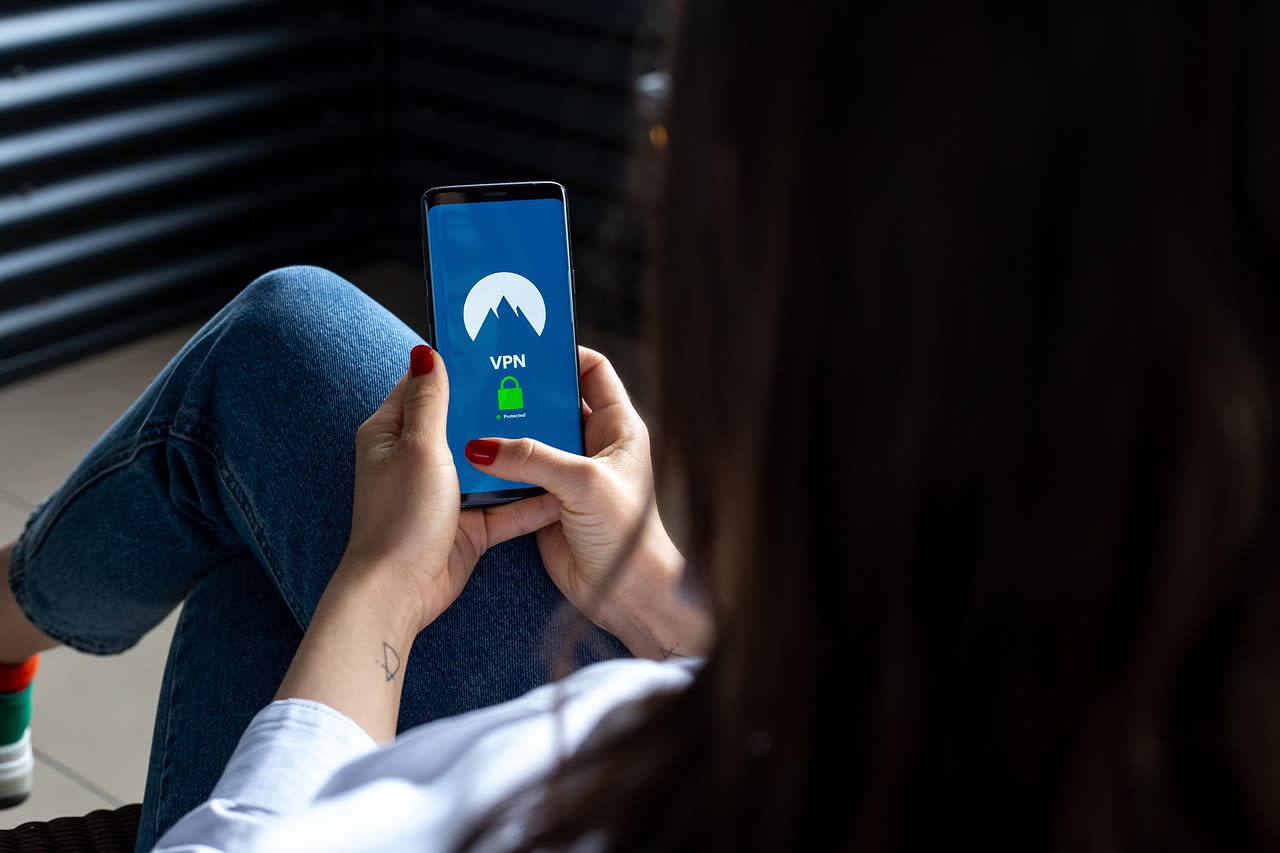
Most cybersecurity pros use VPNs at work. Fewer use them consistently in their personal lives. That's a mistake. A quality VPN isn't just about hiding your traffic—it's about creating a consistent, controlled environment for your personal browsing. It's one less variable to worry about when you're trying to relax.
Pro tip: Set up your personal VPN to activate automatically when you leave your home network. Make it as frictionless as possible. The goal is to make good privacy habits the default, not something you have to think about after a 10-hour shift analyzing malware.
Create Technology-Free Zones and Times
This sounds simple. It's brutally hard for cybersecurity folks. But you need hours—or at least minutes—where you're not thinking about threats. One Redditor shared a brilliant strategy: "I have a 'dumb phone' that I use from 8 PM to 8 AM. No email. No alerts. Just calls and texts from family."
I don't go that far, but I do have a strict rule: no work devices in the bedroom. Period. The charging station is in the home office. That physical boundary creates psychological space. Your brain needs to know there's somewhere the threats can't follow you.
The Tools That Actually Help (Beyond Corporate Solutions)
Here's where we get practical about specific solutions. The Reddit thread mentioned several pain points around constant monitoring and alert fatigue. Let's address those with tools designed for personal use, not enterprise environments.
Local-First Privacy Tools
In 2025, there's a growing movement toward local-first applications—tools that process your data on your device rather than sending it to the cloud. For cybersecurity professionals, this is huge. It means you can use powerful tools without contributing to the very data collection ecosystems you're wary of.
Consider password managers that allow local hosting. Look at note-taking apps that use end-to-end encryption. Use messaging platforms that don't metadata-mine your conversations. Every tool you choose that respects privacy by design is one less source of cognitive dissonance in your day.
Automated Privacy Maintenance
One of the biggest complaints in that thread was mental fatigue from constant vigilance. The solution? Automate what you can. Use tools that regularly audit your privacy settings across platforms. Set up calendar reminders to review app permissions quarterly. Create templates for common privacy-focused responses when friends ask about sketchy apps.
I've even seen some tech-savvy professionals use automation platforms like Apify to create custom scripts that monitor their own digital footprint—checking for exposed credentials or unexpected data breaches. The goal isn't to eliminate vigilance, but to make it systematic rather than constant.
Common Mistakes That Make Everything Worse
Let's be honest—we all develop bad habits. Here are the most common ones I see (and have been guilty of myself) that amplify cybersecurity misery.
Using the Same Threat Model Everywhere
This is subtle but important. At work, you might be protecting against nation-state actors. At home, you're probably dealing with script kiddies and data brokers. Applying enterprise-grade paranoia to your personal life is exhausting and unnecessary. Develop tiered threat models. Your online banking needs different protection than your streaming service account.
Neglecting Analog Solutions
We're tech people. We want tech solutions. But sometimes the best privacy protection is analog. A paper notebook for sensitive thoughts. Face-to-face conversations for confidential matters. A bookshelf instead of an e-reader for certain topics. Not everything needs a digital solution, and recognizing that can be incredibly freeing.
Trying to Protect Everyone
This might be the hardest lesson. You can't force your privacy standards on friends and family. You can educate. You can recommend tools. But you can't make them care as much as you do. One Redditor shared their breaking point: "I realized I was spending more time worrying about my parents' Facebook privacy than they were." Set boundaries on your concern as well as your data.
FAQs from the Front Lines
Let's address some specific questions that came up repeatedly in that Reddit thread.
"How do I stop thinking about work threats at home?"
Ritualize the transition. Create a specific action that marks the end of work thinking—changing clothes, taking a walk, meditating for five minutes. Your brain needs a signal that the context has changed. I know one professional who literally says "shift change" out loud when they finish work, mentally handing off to their personal-self.
"Should I use the same security tools at home that I use at work?"
Generally no. Enterprise tools are designed for enterprise environments. They're often overcomplicated for personal use and come with monitoring capabilities you don't want in your personal life. Find consumer-focused tools that align with your values. Sometimes simpler is better—and better for your mental health.
"How do I explain my privacy concerns without sounding paranoid?"
Use analogies. Compare digital privacy to locking your front door—something everyone understands. Focus on concrete risks rather than abstract threats. And accept that some people won't get it, and that's okay. You can lead a friend to a password manager, but you can't make them use it.
Finding Joy in Protection Again
Here's the hopeful part buried in all that Reddit misery. Several commenters mentioned moments of genuine satisfaction—helping a colleague understand a security concept, successfully preventing an attack, building something secure from the ground up. That joy still exists. It's just buried under alert fatigue and privacy anxiety.
The key is to reconnect with what drew you to this field in the first place. Was it the puzzle-solving? The sense of protecting people? The technical challenge? Find small projects that let you experience that again, outside the pressure of your day job.
Maybe it's helping a local nonprofit improve their security. Maybe it's contributing to open-source privacy tools. Maybe it's just setting up your home network so beautifully secure that it brings you actual pleasure. One Redditor found satisfaction in creating what they called a "digital sanctuary"—a completely locked-down personal environment that served as a counterbalance to their chaotic work systems.
Your Privacy, Your Rules
Reading through that Reddit thread, the underlying theme wasn't really about hating cybersecurity. It was about feeling powerless—in their jobs, in the digital ecosystem, in protecting their own mental space. And that's something we can actually address.
The tools and strategies exist. The boundaries can be drawn. The separation between professional vigilance and personal peace is possible. It just requires treating your own wellbeing with the same seriousness you treat network security.
Start small. Implement one boundary this week. Choose one privacy tool that makes your life easier, not more complicated. Remember why you got into this work—to protect things that matter. And that should include protecting yourself.
Because here's the truth no one says out loud in most security teams: you can't defend digital systems effectively if you're drowning in digital misery. Your privacy matters. Your sanity matters. And in 2025, they're more connected than ever.