

Imagine this: hundreds of companies you've never heard of have detailed profiles about you—your address, income estimates, shopping habits, political leanings, even health inferences. They sell this data to anyone willing to pay. And until now, getting them to delete it was like playing whack-a-mole. You'd request removal from one broker, only to find your data popping up elsewhere.
That nightmare scenario is about to change dramatically for Californians. Come January 1, 2026, the Delete Act (officially SB 362, but everyone's calling it the DROP Act) transforms from legislative text to enforceable reality. This isn't just another privacy law—it's arguably the most aggressive consumer privacy legislation in U.S. history. And if you're in California, you need to understand exactly what it means for you.
I've been tracking privacy legislation for years, and I can tell you: this one's different. It doesn't just give you rights—it creates an actual system to exercise them. But like any powerful tool, you need to know how to use it effectively. In this guide, we'll break down everything from the law's mechanics to practical steps you can take right now. We'll also address the real concerns people are raising in privacy communities—because legislation always looks cleaner on paper than in practice.
What Exactly Is the DROP Act (SB 362)?
Let's start with the basics. The DROP Act—Delete Respectfully Obligate and Protect—was signed into law in 2023 but gives everyone time to prepare for its January 2026 implementation. The core idea is simple but revolutionary: create a single, centralized mechanism where California residents can tell every registered data broker to delete their personal information. All at once. With one request.
Previously, under laws like CCPA (California Consumer Privacy Act), you could request deletion from individual companies. But data brokers operate in the shadows—many people don't even know which companies have their data. The DROP Act flips this model. It requires data brokers to register with the California Privacy Protection Agency (CPPA) and participate in this centralized deletion system.
Here's where it gets interesting: the law defines data brokers broadly as businesses that knowingly collect and sell personal information about consumers with whom they don't have a direct relationship. That covers everything from traditional people-search sites to more obscure data aggregators you've never heard of. And they'll all have to play by these new rules or face significant penalties.
How the Centralized Deletion System Actually Works
This is the part that has privacy advocates genuinely excited. Starting in 2026, the CPPA will operate what's essentially a "one-stop shop" for data deletion. You won't need to contact hundreds of companies individually. Instead, you'll make a single verified request through the CPPA's system, and they'll handle distributing it to all registered data brokers.
The mechanics matter here. The system will use what's called "verified consumer identity"—likely through a combination of documentation and existing verification methods. This is crucial because it prevents fraudulent deletion requests while ensuring legitimate ones get processed. Once verified, your deletion request gets sent to every data broker in the system.
Brokers then have 45 days to complete the deletion, with a possible 45-day extension in limited circumstances. They must delete not just from their active databases but also from backup systems within one year. And they can't just turn around and recollect your data immediately—there are restrictions on that too.
What I appreciate about this system is its acknowledgment of reality. Most people don't have the time or expertise to track down every data broker. By centralizing the process, the law actually makes the right to deletion exercisable rather than just theoretical.
The Real-World Challenges and Limitations
Now, let's address the elephant in the room. In privacy communities, people are rightly skeptical about how well this will work in practice. I've seen the discussions—people asking if this is just another law that sounds good but changes little. Their concerns are valid, and we should examine them honestly.
First, there's the enforcement question. The CPPA has enforcement authority, but with potentially thousands of data brokers (many operating internationally), monitoring compliance won't be easy. The law includes audit provisions and requires brokers to submit detailed reports about their deletion processes, but enforcement bandwidth will be a real constraint.
Second, there's the definitional challenge. Some brokers might try to argue they're not actually "data brokers" under the law's definition. Others might create technical workarounds—like anonymizing data instead of deleting it, though the law has specific requirements about what constitutes proper deletion.
Third, and this is the big one: data has a way of reappearing. Even if Broker A deletes your information today, what stops them from buying it from Broker B tomorrow? The law addresses this to some extent by prohibiting reacquisition for the purpose of selling, but the data ecosystem is complex and often opaque.
My take? This law represents massive progress, but it's not a magic wand. You'll still need to be proactive about your privacy. The deletion right is powerful, but it's one tool among many.
What Data Brokers Are Doing to Prepare (And What It Means for You)
Behind the scenes, data brokers aren't just sitting around waiting for 2026. They're preparing—and understanding their strategies helps you understand the law's real impact.
Many larger brokers are investing in automated deletion systems. They know manual processing won't scale when potentially millions of Californians exercise their rights simultaneously. Some are also refining their data collection practices, focusing more on "consented data" (information gathered with user permission) since that might fall outside certain provisions.
Smaller brokers face a tougher challenge. The compliance costs—registration fees, system development, reporting requirements—might push some out of the California market entirely. Others might try to fly under the radar, though the penalties (up to $200 per day for failing to register, plus additional fines for violations) make that risky.
What does this mean for you? A couple of things. First, expect some brokers to become more aggressive about collecting "alternative data" that might not fall neatly under personal information definitions. Second, prepare for potential pushback—some brokers might make the verification process unnecessarily difficult, though the CPPA is supposed to prevent this.
Also, watch for what I call "the privacy theater" response. Some brokers might offer their own simplified deletion tools pre-2026, positioning themselves as privacy-friendly while the law forces their hand anyway.
Practical Steps You Can Take Right Now (Before 2026)
Don't wait until January 2026 to start protecting your data. There are several things you can do now that will make the deletion process more effective when it launches.
First, start documenting where your data might be. Search for yourself on major people-search sites like Whitepages, Spokeo, and BeenVerified. Take screenshots of what you find—this creates a baseline so you can verify deletion later. I recommend doing this every six months.
Second, use existing tools. Many data brokers already offer opt-out mechanisms (though they're often buried and cumbersome). Services like DeleteMe or PrivacyDuck can handle this for you for a fee, or you can use free resources like the official DROP Act page which maintains updated information.
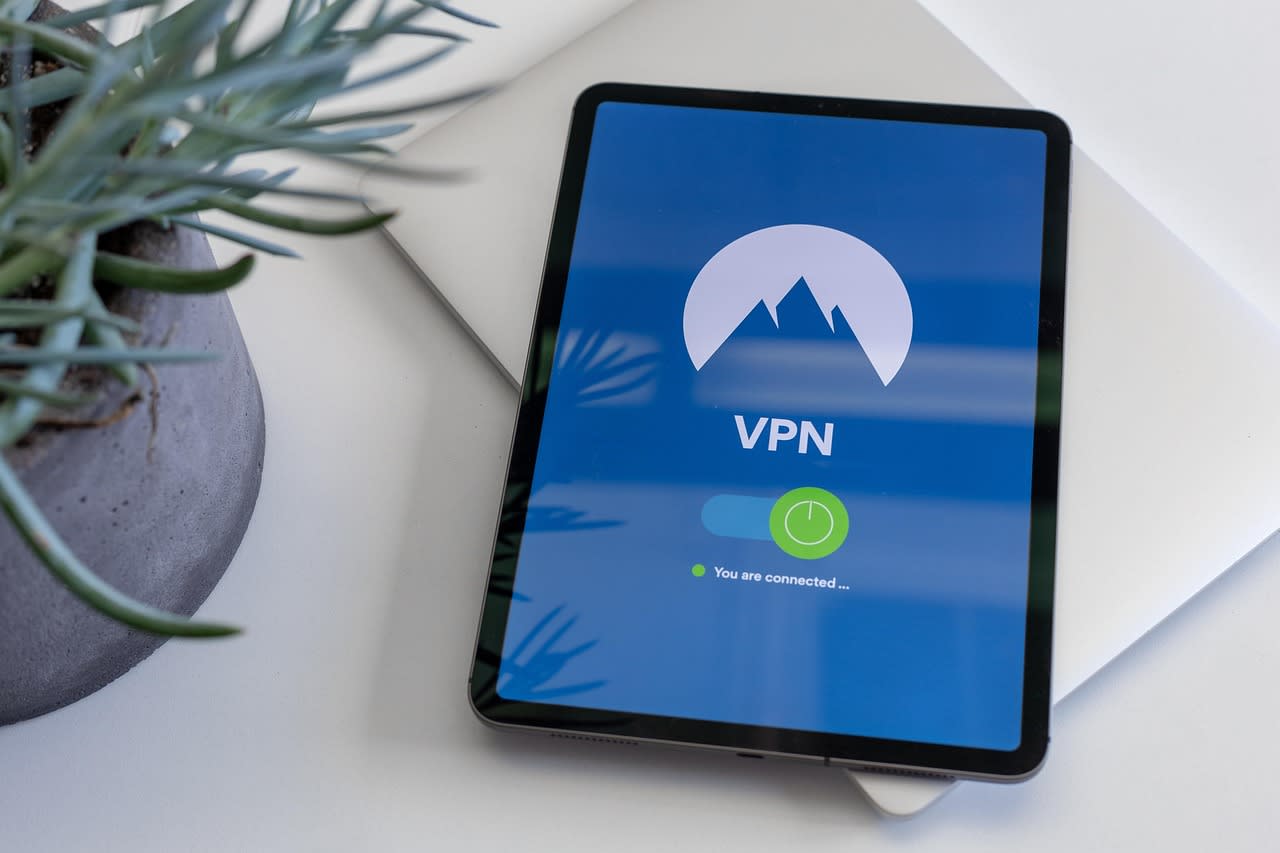
Third, strengthen your broader privacy posture. Use a VPN like NordVPN Service to mask your IP address and location data—this makes you harder to track across sites. Be mindful about what information you share online, even in seemingly innocuous places. And consider using email aliases or temporary numbers when signing up for services you don't fully trust.
Here's a pro tip from my experience: create a dedicated email address just for privacy-related communications. When you submit deletion requests (now or in 2026), use this email. It keeps everything organized and makes it easier to track responses.
Common Questions and Concerns from the Privacy Community
Let's address some specific questions I've seen people asking about the DROP Act:
"Will this delete me from ALL data brokers?"
Only from those registered with California's system. Some brokers might ignore the law, especially if they're based outside the U.S. International enforcement is tricky, though the law applies to any broker selling data about Californians, regardless of location.
"What stops brokers from just recollecting my data?"
The law prohibits reacquiring deleted information for the purpose of selling it. However, if your data appears elsewhere through different collection methods, they might still get it. This is why one-time deletion isn't enough—you need ongoing privacy habits.
"How do I prove I'm a California resident?"
The verification system details are still being finalized, but it will likely involve documentation like a driver's license or utility bill. The CPPA has emphasized making verification robust but accessible.
"What about data that's already been sold to third parties?"
This is the trickiest part. Brokers must instruct third parties who received your data to also delete it, but tracking every downstream recipient is nearly impossible. The law creates liability for brokers who don't make reasonable efforts, but complete eradication from all secondary sources is unlikely.
Beyond California: Will This Law Spread?
California often sets the privacy standard for the nation. Remember GDPR's impact in Europe? California's laws frequently become de facto national standards because companies don't want to maintain separate systems for different states.
Already, we're seeing similar proposals in other states. New York, Washington, and Massachusetts are considering their own versions of data broker regulation. Even at the federal level, there's renewed interest in comprehensive privacy legislation, though political gridlock makes immediate action unlikely.
For non-Californians, this creates an interesting dynamic. You might benefit indirectly if companies apply California standards nationwide (as many did with CCPA). Or you might find yourself wishing your state had similar protections. Either way, watching California's implementation will provide valuable lessons about what works and what doesn't in data broker regulation.
If you're outside California, consider advocating for similar legislation in your state. The template now exists, and consumer demand for privacy protections is growing across party lines.
Preparing for January 2026: Your Action Plan
With about a year until implementation, here's a timeline to get ready:
Now through mid-2025: Document your current data exposure. Search for yourself online, save results, and start using existing opt-out tools for major brokers. Consider using a service like Apify's data collection tools to automate some of this monitoring if you're technically inclined.
Late 2025: Watch for the CPPA's official launch of the verification system. They'll likely have a testing period before the full launch. Sign up for updates on their website and follow privacy advocates who will be analyzing the system's effectiveness.
January 2026: Submit your deletion request once the system is live. But don't stop there—continue monitoring. Set calendar reminders to check your data exposure quarterly. Remember, deletion is a process, not a one-time event.
Also, consider the broader context. While you're waiting for 2026, improve your overall digital hygiene. Use privacy-focused browsers, enable two-factor authentication everywhere, and be selective about what apps you install. I recommend checking out Essential Privacy Tools Guide for more comprehensive strategies.
The Bottom Line: Realistic Expectations
The DROP Act represents the most significant step forward in U.S. privacy rights in decades. It acknowledges a fundamental truth: in today's data economy, individuals need systemic solutions, not just individual rights. The centralized deletion mechanism could become a model for privacy legislation worldwide.
But manage your expectations. No law can completely erase your digital footprint—data has too many pathways, and enforcement will always lag behind innovation. What the DROP Act does is shift the power dynamic. It forces data brokers to justify their collection and creates real consequences for ignoring consumer rights.
My advice? Use the law when it becomes available, but don't rely on it exclusively. Continue practicing good privacy habits. Support organizations pushing for stronger protections. And remember that privacy isn't just about hiding—it's about controlling your information in a world that wants to treat it as a commodity.
January 1, 2026, isn't a finish line. It's a starting point for a new relationship with our data. Be ready.