
The Beautiful Imperfection of Self-Hosting
You know that feeling when you finally get your self-hosted setup working? The one where you've spent hours troubleshooting Docker containers, wrestling with permissions, and debugging network configurations—and suddenly, everything just works. It's not perfect. There might be a few rough edges, some manual processes you haven't automated yet, maybe even a service that needs restarting every couple of weeks. But it's yours. And in 2026, that ownership means more than ever.
I've been there. I've spent nights staring at terminal windows, mornings fixing what broke overnight, and afternoons explaining to family members why "the Netflix" isn't working (because it's Jellyfin, not Netflix). The setup described in that Reddit post—Jellyfin for media, Pi-Hole for protection, Tailscale for remote access—represents something fundamental happening in home computing. People are taking back control. They're building systems that serve their specific needs, protect their privacy, and create value for their households.
This isn't about building enterprise-grade infrastructure. It's about creating something that works for you and your family. Something you understand from the ground up. Something where you're not the customer—you're the administrator, the curator, and the beneficiary all at once.
Why Self-Hosted Media Makes Sense in 2026
Let's be honest: streaming services have become a mess. By 2026, the average household subscribes to five different services just to watch what they want. Content jumps between platforms monthly. Prices keep climbing. And your viewing habits? They're being tracked, analyzed, and sold. Self-hosting your media collection isn't just a technical hobby anymore—it's becoming a practical alternative.
But here's what people don't always mention upfront: self-hosting requires maintenance. You're trading monthly subscription fees for your time and attention. That Jellyfin server won't update itself. Those Pi-Hole blocklists need occasional review. The NAS drives will eventually fail. This is the trade-off: control versus convenience.
From what I've seen, the sweet spot emerges when you stop trying to replicate Netflix and start building something that serves your actual viewing habits. Do you really need instant access to every movie ever made? Or do you just want reliable access to your carefully curated collection of favorites, plus a way to discover and add new content easily? The latter is completely achievable with today's tools.
The Media Management Trifecta: Jellyfin, Jellyseerr, and Jellystat
The original post mentions three Jellyfin-related tools working together, and this is where the magic happens. Jellyfin itself is just the player—the pretty interface that serves your media. The real intelligence comes from what surrounds it.
Jellyseerr is your discovery and request system. It's what turns your media server from a static library into something dynamic. Family members can browse upcoming movies, request TV shows, and get notifications when their content is available. I've found this dramatically increases adoption among non-technical users. They don't need to understand how the download happens—they just make a request and it appears. Magic.
Then there's Jellystat. This is your dashboard, your analytics, your "how is this thing actually being used?" tool. In my setup, Jellystat revealed something interesting: 80% of our viewing was concentrated in about 20% of our library. That insight let me optimize storage, focusing on quality for frequently watched content while keeping less-viewed items in more efficient formats.
And J2Downloader? It's the workhorse that makes the whole system flow. The key here is automation—setting up rules so that when someone requests something through Jellyseerr, J2Downloader automatically finds, downloads, sorts, and adds it to your library. This is where you go from "hobby project" to "actually usable system."
Protecting Your Digital Home: Pi-Hole, Unbound, and Beyond
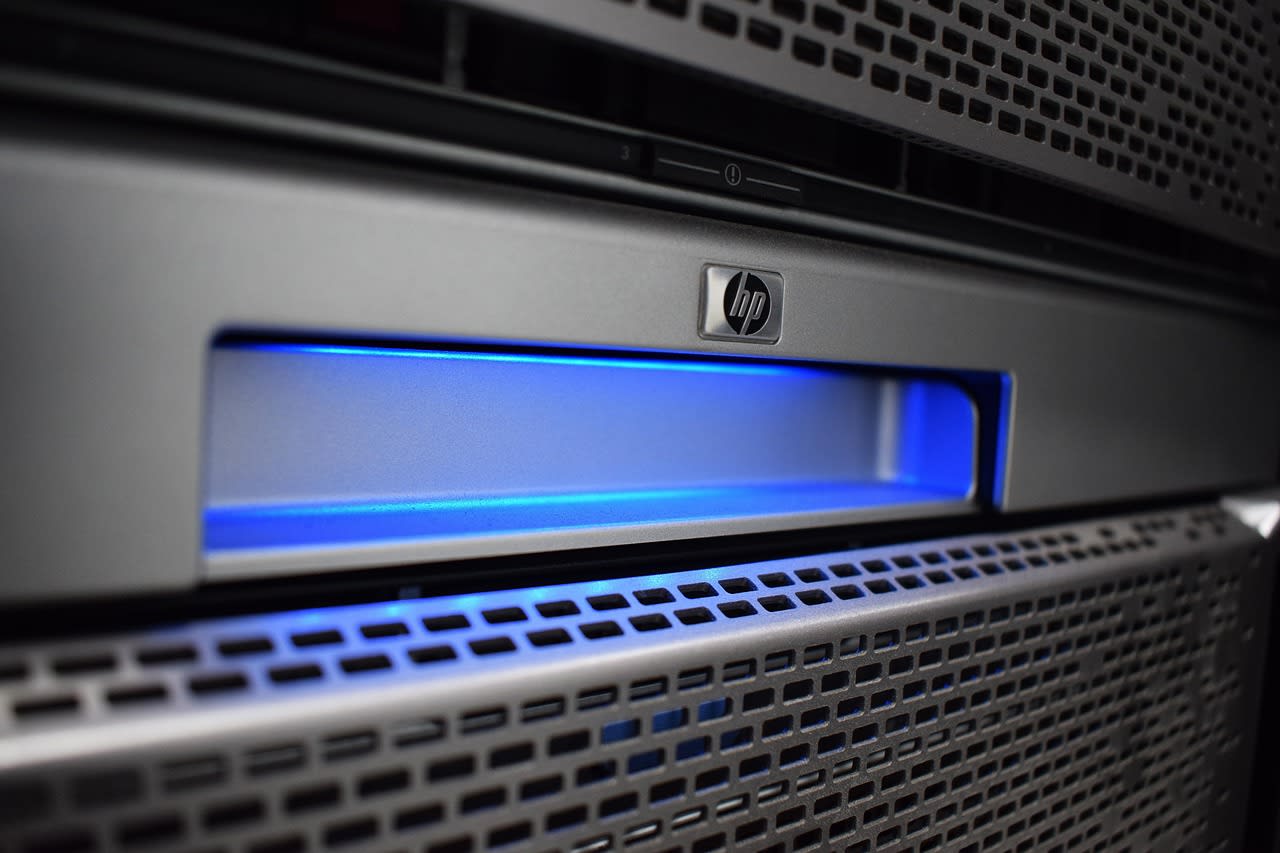
Now let's talk about the other half of that Reddit setup—the protection layer. Running two Pi-Hole instances with Gravity Sync isn't overkill. It's redundancy. One Pi-Hole goes down (maybe during a system update), and the other keeps blocking ads and trackers. Your family doesn't even notice.
Unbound is the secret weapon here. By running your own DNS resolver, you're not just blocking unwanted content—you're preventing your DNS queries from being logged by your ISP or Google. In 2026, with privacy regulations constantly changing and data breaches becoming routine, this level of control matters. It's not about having something to hide. It's about deciding who gets to know what you're looking at online.
Log2Ram is a practical touch that shows this person knows their hardware. Raspberry Pis and other single-board computers use SD cards that wear out from constant write operations. By logging to RAM instead, you extend the life of your storage significantly. It's these little optimizations that separate a setup that lasts for months from one that runs for years.
Remote Access Done Right: Tailscale and Family Sharing
"So whole family is protected on the go, plus they can consume media I download to the NAS." This single sentence from the original post captures why modern self-hosting is so powerful. It's not just about serving your home network anymore.
Tailscale (or similar WireGuard-based solutions) creates what's essentially a private VPN without the complexity. Each family member's device becomes part of your secure network, whether they're at home, at a coffee shop, or traveling abroad. They get ad-blocking through Pi-Hole. They get access to your media library. And they get it all through an encrypted tunnel that doesn't require opening ports on your router.
I've helped several friends set this up, and the pattern is always the same: initial resistance ("Do I really need this?") followed by gradual appreciation ("Wait, why doesn't everyone do this?") and finally dependence ("The hotel Wi-Fi is unusable without my Pi-Hole now").
The key to successful family adoption? Make it invisible. Tailscale can be set to auto-connect. Infuse and other media clients can be configured once and then just work. The less your family has to think about the technology, the more they'll use it.
Choosing Your Consumption Tools: Infuse vs. Native Clients
The original poster mentions Infuse for video and Manet Music for audio. This is a sophisticated choice that deserves some unpacking. Infuse isn't free, but it handles something that often trips up self-hosters: client-side transcoding and format support.
Here's the problem: your media collection probably contains files in various formats—some MP4, some MKV, some with unusual audio codecs or subtitle tracks. Jellyfin's web interface and many native apps try to handle this by having the server transcode files on the fly. This works, but it requires substantial server resources.
Infuse takes the opposite approach. It plays files natively on your device, handling the decoding locally. This means your server just has to send the file—no heavy transcoding required. For mobile devices and tablets, this is often the better approach. Your server stays responsive, battery life improves, and playback is generally smoother.
Manet Music represents a similar philosophy for audio. While you could use Jellyfin's music features, dedicated music players often provide better interfaces for music-specific tasks: playlists, radio features, lyrics display, and integration with voice assistants.
The lesson here? Don't feel locked into using one client for everything. Different devices and use cases might call for different applications, even when they're all connecting to the same backend.
The Hardware Reality: What You Actually Need

People often overestimate what's required for a setup like this. That Reddit post doesn't mention the hardware, but I can make some educated guesses based on the services listed.
For the media side, you need something that can handle occasional transcoding if you have users who won't be using perfect clients like Infuse. In 2026, even modest mini-PCs with Intel Quick Sync or AMD APUs can handle several 1080p streams simultaneously. For 4K, you'll want something more substantial, but remember: direct play (what Infuse does) requires almost no CPU power.
The Pi-Hole instances can run on practically anything—old Raspberry Pis, Docker containers on your main server, even cloud instances if you want external redundancy. I've seen people run them on decade-old hardware without issues. DNS resolution just isn't that demanding.
Storage is where costs add up. A proper NAS with redundancy (RAID or similar) is non-negotiable if you value your media collection. But here's a pro tip: you don't need all-SSD storage. Use SSDs for your operating system, applications, and metadata. Use spinning drives (arranged in a redundant configuration) for your actual media files. The performance difference is negligible for video streaming, and the cost savings are substantial.
If you're just starting out, consider something like the Beelink Mini PC for your server combined with a Synology NAS for storage. This separates compute from storage, giving you flexibility to upgrade either independently.
Common Pitfalls and How to Avoid Them
After helping dozens of people with similar setups, I've noticed patterns in what goes wrong. Let's address the most common issues before you encounter them.
First: permissions. Docker containers running as different users, media files owned by your personal account, Samba shares with inconsistent settings—it's a mess waiting to happen. The solution? Create a dedicated media user on your system, make sure all your Docker containers run with that user's UID/GID, and set your media directories with appropriate permissions from the start. Document this. Seriously, write it down.
Second: backup strategy. Your media files might be replaceable (though time-consuming to re-download), but your configuration isn't. Use Docker Compose files to define your services. Keep these files in version control. Back up your application data volumes regularly. For Pi-Hole, that means your blocklists and local DNS records. For Jellyfin, that means your database, user accounts, and watch history.
Third: network configuration. Double NAT, conflicting IP ranges, firewall rules blocking container communication—these network issues consume disproportionate debugging time. Map your network on paper before you start. Decide your IP ranges for your main network, Docker networks, and VPN. Stick to them.
Fourth: family expectations. This might be the most important one. Don't promise Netflix reliability. Explain that this is a hobby system that you'll maintain to the best of your ability. When it goes down (and it will), have a backup plan—maybe a temporary subscription to a streaming service for that movie night you promised.
When to Get Help: Knowing Your Limits
Here's something we don't talk about enough in the self-hosting community: it's okay to get help. That setup with two Pi-Hole instances and Gravity Sync? That's not beginner territory. If you're struggling with the networking aspects, there's no shame in consulting someone who's been there before.
Sometimes, the most time-efficient solution is to pay for an hour of someone else's expertise. Platforms like Fiverr have sysadmins who specialize in exactly these kinds of home setups. They can often spot and fix in minutes what might take you days of Googling.
The same goes for automation. If you want to scrape certain websites for content to add to your media library but don't want to write and maintain the scrapers yourself, services like Apify offer ready-made solutions. Your time has value too—sometimes it makes sense to leverage existing tools rather than build everything from scratch.
The goal isn't to do everything yourself. The goal is to create a system that serves your needs. If part of that system involves using someone else's expertise or tools, that's still self-hosting. You're still in control of the overall architecture and data.
Embracing the Imperfect Journey
That Reddit post title—"It's not perfect, but it's mine!"—captures the essence of modern self-hosting perfectly. Your setup won't have the polish of commercial services. There will be rough edges. Some things will break after updates. You'll occasionally spend a Saturday afternoon fixing something that "just worked" yesterday.
But you'll also have something no subscription service can provide: complete control. Control over your data. Control over your privacy. Control over what content is available and how it's organized. Control over who has access and under what terms.
In 2026, as more of our digital lives move into walled gardens controlled by a handful of corporations, this kind of control becomes increasingly valuable. It's not just about media or ad-blocking anymore. It's about maintaining a space in the digital world that you truly own.
Start small. Get Jellyfin working with some local media. Add Pi-Hole to your network. Experiment with Tailscale for remote access. Each piece you add makes the whole more valuable. And each challenge you overcome makes you more capable. Before long, you'll look at your setup—with its quirks and imperfections—and feel that same pride: "It's not perfect, but it's mine." And really, that's the whole point.
