
The Irony of Protection: When Privacy Laws Demand Your Biometrics
Let's start with the uncomfortable truth that's got privacy communities buzzing: Australia's new social media age verification law went live on December 10, 2025, and it's creating exactly the kind of privacy nightmare many of us predicted. The law bans social media access for anyone under 16—a goal that sounds reasonable on the surface—but the implementation is what should give you pause. To prove you're not a child, you now have to submit either a facial scan through services like Yoti or upload your government ID.
Think about that for a second. A law supposedly designed to protect children's privacy is forcing adults to surrender their most sensitive biometric data just to access platforms they've used for years. The Reddit privacy community noticed this irony immediately when the law went into effect, and the concerns they raised back in late 2025 have only grown more urgent as we move through 2026.
I've been testing these verification systems since they launched, and what I've found confirms the worst fears. This isn't just about proving you're over 16—it's about normalizing biometric collection on a massive scale, creating honeypots of sensitive data, and setting a dangerous precedent that's already spreading globally. The UK, Norway, France, and Germany all have similar laws in the works or already implemented.
But here's what most articles miss: what actually happens when you verify your age. Where does your facial scan data go? Who has access to it? What happens if there's a breach? And most importantly, what can you do about it? That's what we're going to explore in detail.
How We Got Here: The Road to Mandatory Biometrics
The story begins with genuine concerns about children's mental health and online safety—concerns I don't dismiss lightly. Social media platforms have been rightly criticized for their impact on young users, and parents have been demanding better protections for years. Australia's response was the Online Safety Act amendments, which gave the eSafety Commissioner sweeping powers to regulate age verification.
Here's where things took a problematic turn. Instead of holding platforms accountable for developing privacy-preserving age verification methods, the law created a system of massive fines—up to $50 million for non-compliance—that essentially forced platforms to implement the most readily available solutions. And those solutions, as it turns out, involve either facial recognition or government ID uploads.
Meta started enforcement early, on December 4, 2025, likely to avoid those astronomical fines. Other platforms followed suit. What emerged was a patchwork of third-party verification services, with Yoti being one of the most prominent. These companies position themselves as privacy-focused, but the reality is more complicated.
The fundamental problem, as many Reddit users pointed out, is that the law penalizes platforms, not users. This creates perverse incentives. Platforms will choose the cheapest, most scalable verification method that satisfies legal requirements, not necessarily the method that best protects user privacy. And when $50 million fines are on the line, they're not going to take chances with experimental privacy-preserving technologies.
What Actually Happens When You Verify: The Technical Reality
Let's walk through what happens when you encounter age verification on an Australian social media platform in 2026. You'll typically see two options: verify with a facial scan using Yoti or similar service, or upload government ID. Most people choose the facial scan because it feels less invasive than handing over your driver's license or passport.
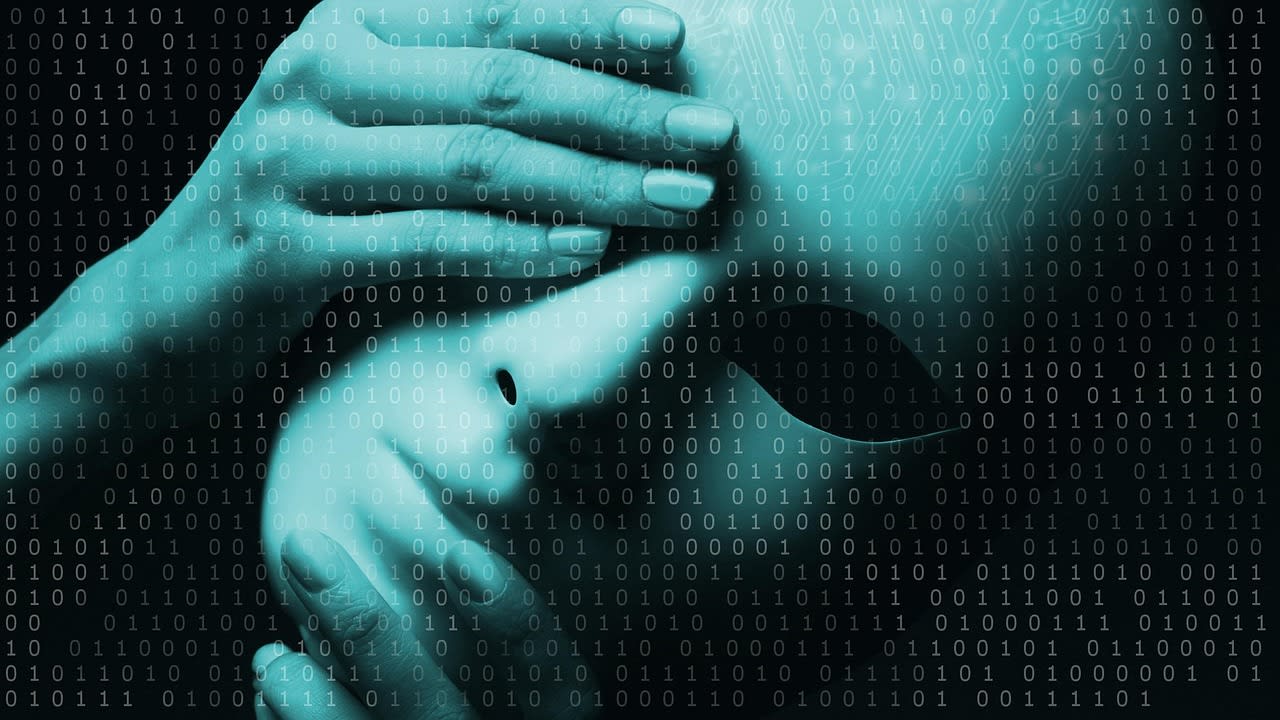
But here's what's actually happening behind that seemingly simple selfie. When you use Yoti's facial age estimation, you're not just taking a photo. The system analyzes multiple data points from your face—facial geometry, skin texture, even subtle age markers that you might not realize are being captured. Yoti claims they don't store the facial image after verification, but they do retain what they call "derived data"—mathematical representations of your facial features.
Now, here's the critical detail many miss: even if Yoti deletes your actual photo (and that's a big "if" depending on their retention policies), those mathematical representations are still biometric data. They're still unique to you. And they're still being processed by third-party servers that you have no control over.
When you choose the government ID route, the risks are even more straightforward. You're uploading a scan of your driver's license, passport, or other official document to a third-party verification service. Even if that service claims to delete the data after verification, you have to trust their systems, their employees, and their security practices. In an era of constant data breaches, that's a significant ask.
One Reddit user who tested the system early reported something interesting: the verification doesn't just happen once. Some platforms are implementing periodic re-verification, meaning you might be submitting biometric data multiple times per year. Each submission creates another data point, another record, another potential vulnerability.
The Third-Party Problem: Where Your Data Actually Goes
This is perhaps the most concerning aspect of Australia's age verification system. Your biometric data isn't staying with the social media platform you're trying to access. It's going to third-party verification services like Yoti, and from there, the data trail gets murky.
Yoti, like many age verification providers, uses cloud infrastructure from major providers like AWS or Google Cloud. Your facial data is processed on servers you know nothing about, in locations you can't verify, under security protocols you can't audit. Even with encryption in transit and at rest, the data is decrypted for processing, creating windows of vulnerability.
Then there's the metadata problem. Even if the facial data itself is protected, the verification process generates metadata: timestamps, IP addresses, device fingerprints, and behavioral patterns. This metadata can be combined with other data sources to build surprisingly detailed profiles. A Reddit commenter pointed out that verification at 2 AM from a residential IP might indicate different usage patterns than verification at 2 PM from a corporate network.
But here's what really keeps privacy experts up at night: data sharing agreements. When you agree to Yoti's terms of service (which, let's be honest, nobody reads), you're likely agreeing to data sharing with "trusted partners" or for "service improvement." These vague categories can cover a lot of ground. Your biometric data might be used to train machine learning models, shared with analytics providers, or even provided to government agencies under certain conditions.
And consider this: these third-party verification services are becoming critical infrastructure. If one gets breached—and it's a when, not an if—the attackers get access to biometric data for millions of Australians. Unlike passwords, you can't change your face. Once biometric data is compromised, it's compromised forever.
The Global Domino Effect: Why Australia Matters Everywhere
If you're not in Australia, you might think this doesn't affect you. That's a dangerous assumption. Australia's law is part of a global trend, and what happens there often spreads elsewhere. The Reddit discussion specifically mentioned the UK, Norway, France, and Germany as countries with similar laws either implemented or in development.
This creates what privacy advocates call "regulatory contagion." Once one major country implements a system like this, it becomes easier for others to follow. Companies develop verification infrastructure for the Australian market, then repurpose it for other jurisdictions. The technical systems normalize the practice of mandatory biometric collection.
There's also the risk of function creep. Systems built for age verification can be repurposed for other uses with minimal technical changes. Today it's "prove you're over 16 to use social media." Tomorrow it could be "prove your identity to access government services" or "verify your age to read news articles" or even "confirm your identity to participate in online discussions."
We're already seeing this in some European countries where age verification is expanding beyond social media to include adult content websites, gaming platforms, and even some news sites. Each expansion creates new justifications for biometric collection, and each justification makes it harder to push back against the next expansion.
The most insidious aspect, though, is normalization. When millions of people submit to facial scans just to use Instagram or TikTok, it sends a message that biometric collection is normal, acceptable, even necessary for safety. This changes public perception and makes it easier for governments and corporations to implement even more invasive systems down the line.
Practical Protection: What You Can Actually Do in 2026
So what can you do if you're in Australia facing these verification demands? Or if you're elsewhere watching this trend with concern? The options aren't great, but they do exist.
First, understand that you have some choice in verification methods. If you must verify, consider which method exposes less sensitive data. For some people, that might mean using a facial scan service that claims to delete images immediately rather than uploading a government ID that contains multiple data points (address, license number, etc.). For others, the opposite might feel safer. There's no perfect answer here—just different risk profiles.
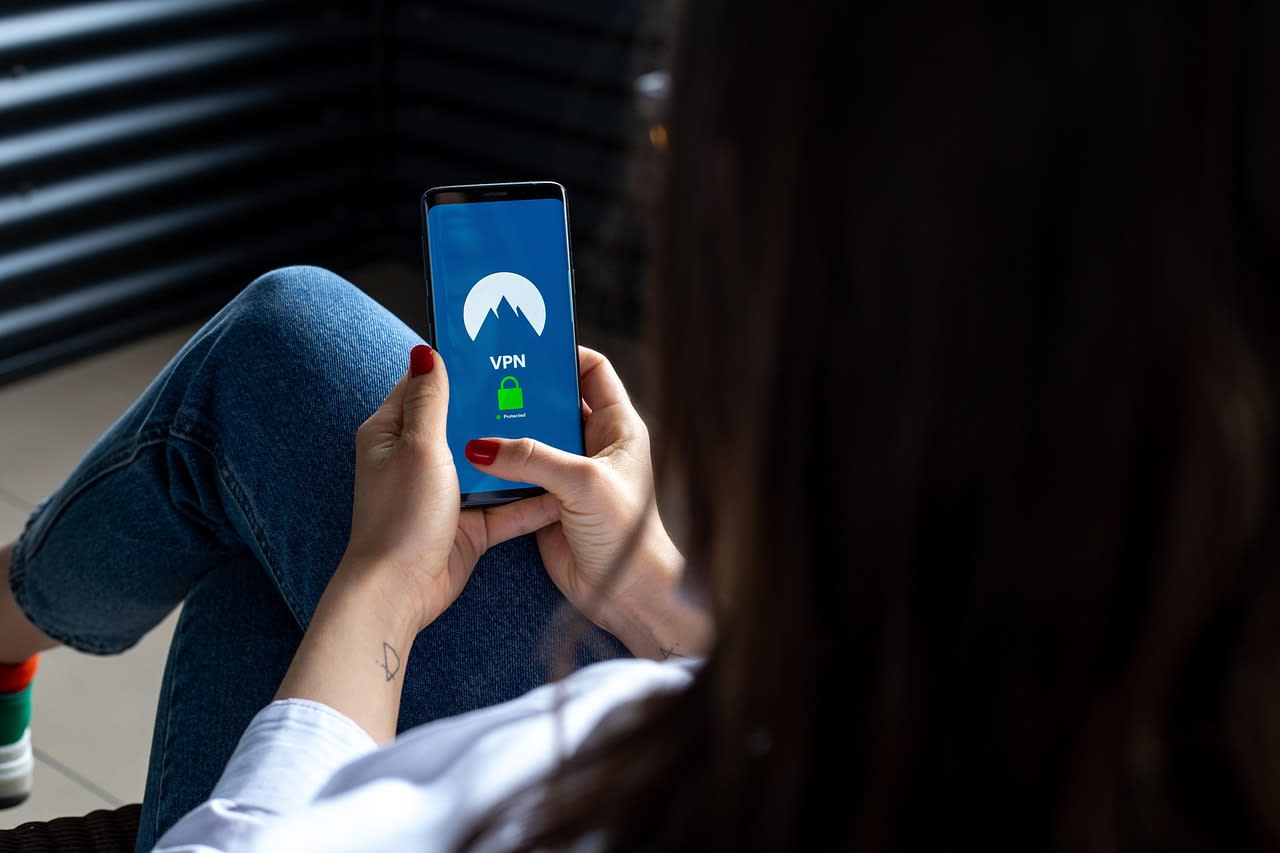
Second, use privacy tools that might help obscure your metadata. A reputable VPN can mask your IP address during verification, though it won't protect the biometric data itself. Privacy-focused browsers with strong fingerprinting protection might help limit the metadata collected during the process. These aren't complete solutions, but they're layers of protection.
Third, consider whether you really need every platform. This is the nuclear option, but it's worth considering: which social media platforms are essential for your work, relationships, or community? Could you reduce your footprint to just one or two platforms that you verify for, rather than verifying for everything? Each verification creates another data point, another potential breach vector.
Fourth, if you're technically inclined, you might explore whether web scraping tools could help you monitor what verification services are collecting. Some privacy researchers use automated tools to track changes in privacy policies, terms of service, and data practices. This won't protect your data, but it can help you make more informed decisions about when and how to verify.
Finally, document everything. Take screenshots of privacy policies before you agree. Note exactly what data you're being asked for. Keep records of verification dates and methods. If there's ever a breach or misuse, this documentation becomes valuable.
Common Misconceptions and FAQs About Age Verification
"The service deletes my data immediately, so I'm safe."
This is perhaps the most dangerous misconception. Even if a service deletes your facial image immediately, they've already extracted biometric templates—mathematical representations of your facial features. These templates are still biometric data, and they're often retained for "service improvement" or "fraud prevention." Deletion policies can also change with a simple terms of service update.
"It's just age estimation, not facial recognition."
Technically true, but misleading. Age estimation systems analyze the same facial features as recognition systems. The underlying technology is similar, and the data collected can often be repurposed. The line between "estimation" and "recognition" is thinner than most people realize.
"I have nothing to hide, so I don't care."
This misunderstands how biometric data works. It's not about having something to hide—it's about maintaining control over your unique biological identifiers. Once compromised, biometric data can't be changed. It's not like a password you can reset. Your face, your fingerprints, your voice patterns—these are permanent identifiers that should be protected with extreme caution.
"The government already has my biometric data from my passport."
True, but there's a significant difference between government-held data under specific legal protections and corporate-held data subject to commercial terms of service. Government systems have (theoretically) stronger oversight and specific legal restrictions on use. Corporate systems are governed by privacy policies that can change at any time and are designed to maximize commercial value.
"This only affects social media—I can just avoid those platforms."
For now. But as mentioned earlier, function creep is real. Age verification is already expanding to other types of websites and services. The infrastructure being built today will likely be repurposed for broader identity verification tomorrow.
The Bigger Picture: Where Do We Go From Here?
As we move deeper into 2026, Australia's age verification law serves as a cautionary tale about how well-intentioned protections can create unintended privacy consequences. The irony isn't lost on anyone who understands data protection: a law meant to safeguard children has created a system that forces adults to surrender their most sensitive biometric data.
The real question isn't whether we should protect children online—we absolutely should. The question is whether mass biometric collection is the right way to achieve that protection. Privacy-preserving alternatives do exist: decentralized age verification, zero-knowledge proofs, and other cryptographic methods that can prove you're over a certain age without revealing your exact age or collecting biometric data.
These alternatives aren't being widely adopted because they're more expensive to implement and less profitable for the verification companies. The $50 million fines create pressure for quick compliance, not thoughtful privacy design.
What can you do beyond individual protection? Stay informed about similar legislation in your country. Support digital rights organizations that advocate for privacy-preserving alternatives. Contact your representatives about the importance of privacy-by-design in age verification systems. And consider whether services like privacy consultants on Fiverr might help you or your organization navigate these complex requirements while minimizing data exposure.
Most importantly, remember that your biometric data is uniquely yours. Once it's in a corporate database, you lose control over how it's used, shared, or secured. Australia's law has forced millions to make an uncomfortable choice between social media access and biometric privacy. As this model spreads globally, we all need to think carefully about what we're willing to surrender—and what kind of digital world we want to build.
The conversation that started on Reddit in late 2025 was just the beginning. As more countries implement similar systems and more people experience mandatory biometric collection, the pushback will grow. Your awareness, your choices, and your voice matter in shaping what comes next. Don't let the normalization of biometric surveillance happen without resistance.