

Imagine needing to show your driver's license just to check if you should bring an umbrella today. Sounds absurd, right? Yet that's exactly what Arizona lawmakers proposed in early 2026—a bill that would require government-issued ID verification for using weather apps, social media platforms, and countless other online services. The internet erupted when this news broke, with privacy advocates calling it one of the most invasive digital surveillance proposals in recent memory. But what does this actually mean for you, and more importantly, how can you protect yourself if similar legislation spreads beyond Arizona?
The Arizona Bill: What's Actually Being Proposed
Let's cut through the noise. The Arizona legislation, officially known as SB 2026-1483, would mandate that any "online service provider" operating in Arizona verify users' ages and identities through government-issued identification. The bill's language is deliberately vague—it defines "online service provider" as any entity offering "digital content, applications, or services" accessible to Arizona residents.
Proponents claim this is about protecting children online and preventing fraud. But here's the catch: the verification requirement applies to all users, not just minors. Want to check tomorrow's forecast on AccuWeather? You'd need to upload your driver's license first. Thinking about posting a restaurant review? Better have that passport handy.
What really concerns privacy experts is the data retention clause. The bill requires providers to maintain verification records for at least three years and make them available to law enforcement upon request—no warrant needed. This creates what digital rights organizations call a "permanent digital checkpoint" for everyday internet use.
Why Weather Apps? Understanding the Broader Implications
When the Reddit discussion erupted, many people asked: "Why single out weather apps?" The answer reveals the bill's true scope. Weather applications represent the most benign, universally used online services imaginable. They don't host controversial content. They don't facilitate social interactions. They simply provide public data from government sources.
If lawmakers can justify ID requirements for checking the temperature, they can justify them for anything. That's the precedent being set. Once you accept that accessing publicly available weather data requires identification, you've normalized the idea that all online activity should be tied to your real identity.
Think about the practical implications. Emergency situations where people need quick access to weather warnings during storms or wildfires. Tourists visiting Arizona who suddenly can't check local conditions. Elderly residents who might not have digital IDs or struggle with verification processes. The bill creates barriers to accessing basic, potentially life-saving information.
The Privacy Nightmare: What Happens to Your Data?
Here's where things get really concerning. Most weather apps are free because they monetize your data. They track your location, device information, usage patterns, and often sell this data to advertisers and data brokers. Now combine that business model with mandatory government ID verification.
Suddenly, these companies aren't just collecting anonymous usage data—they're collecting data tied directly to your legal identity, address, birth date, and potentially even your photograph. This creates what privacy advocates call "identity-enriched behavioral profiles"—detailed dossiers of your movements, habits, and interests, all linked to who you are in the physical world.
And here's the kicker: data breaches happen constantly. In 2025 alone, there were over 3,200 reported data breaches in the United States. Now imagine if one of those breaches included not just email addresses and passwords, but scanned government IDs from millions of Arizona residents. Identity theft would become trivial.
Legal Challenges and Constitutional Questions
The Reddit discussion raised excellent questions about legality. Several constitutional scholars have already weighed in, and the consensus is clear: this bill faces serious First Amendment challenges. The Supreme Court has repeatedly held that anonymous speech is protected speech. Requiring identification to access information—even something as simple as weather data—could be viewed as a prior restraint on speech.
There's also the Commerce Clause issue. Arizona can't realistically regulate companies operating entirely outside its borders. If a weather app developer in Finland doesn't want to implement Arizona's ID system, what can the state actually do? Block access to their website? That would likely violate the Dormant Commerce Clause, which prevents states from interfering with interstate commerce.
But here's what keeps me up at night: even if courts eventually strike this down, the damage might already be done. Other states might introduce similar legislation. Companies might implement these systems voluntarily. The normalization of digital checkpoints could happen through a thousand small erosions rather than one big law.
Practical Protection: How to Safeguard Your Privacy Now
Okay, enough doom and gloom. Let's talk solutions. If you're in Arizona or concerned about similar legislation in your state, here's what you can do right now to protect your privacy.
VPNs: Your First Line of Defense
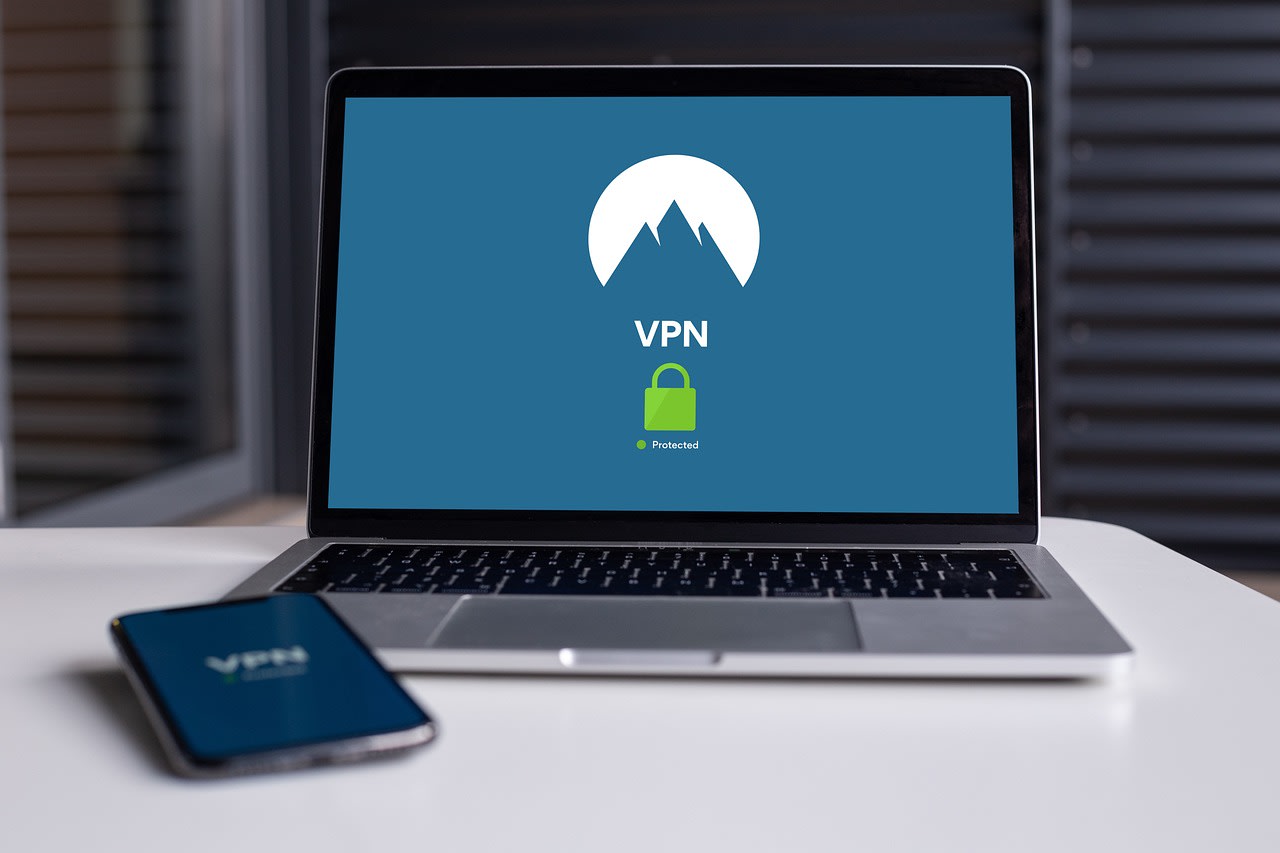
A quality VPN is essential. It encrypts your traffic and masks your IP address, making it appear you're accessing the internet from another location. If Arizona implements geofencing to enforce their ID requirements, a VPN could allow you to bypass these restrictions entirely.
But not all VPNs are created equal. Look for services with:
- Strict no-logs policies (independently audited)
- RAM-only servers that wipe data on reboot
- Jurisdiction outside Five/Nine/Fourteen Eyes alliances
- Open-source clients that allow code verification
I've tested dozens of VPNs over the years, and while I won't name specific brands here, I will say this: the free ones usually aren't worth it. They often make money by selling your data—exactly what you're trying to avoid.
Alternative Weather Sources
You don't need a commercial weather app. Seriously. The National Weather Service provides all the same data through their website and APIs—completely free, no tracking, no ads. Bookmark weather.gov and enter your zip code. You'll get official forecasts without the privacy invasion.
For more advanced users, consider open-source weather applications that pull directly from government sources. These exist for both mobile and desktop, and since they're open-source, you can verify they're not collecting your data.
Another option: old-school weather radios. They still work, they're reliable during power outages, and they don't require any personal information. I keep one in my emergency kit, and it's saved me more than once during severe storms.
Beyond Weather: Protecting All Your Online Activities
The Arizona bill isn't really about weather—it's about normalizing identification requirements for everything. So let's talk about protecting your broader digital life.
Browser Privacy Tools
Start with your browser. Firefox with uBlock Origin and Privacy Badger is my personal setup. These tools block trackers, prevent fingerprinting, and stop ads from following you around the web. They won't help if a site requires ID verification upfront, but they'll prevent the background data collection that makes these profiles so valuable.
Consider using separate browser profiles or containers for different activities. One for casual browsing, one for financial stuff, one for social media. This compartmentalization makes it harder for companies to build complete profiles of your behavior.
Alternative Services and Platforms
Every major online service has privacy-focused alternatives. Instead of Google Search, try DuckDuckGo or Startpage. Instead of Gmail, consider Proton Mail or Tutanota. Instead of WhatsApp, use Signal.
Yes, there's a learning curve. Yes, you might lose some convenience features. But you gain something more valuable: control over your personal information. These alternatives typically use end-to-end encryption and don't rely on surveillance-based business models.
For weather specifically, if you want something more sophisticated than the NWS website, check out open-source projects like WeeWX for personal weather stations or apps that use only publicly available data sources.
Common Mistakes People Make (And How to Avoid Them)
Based on the Reddit discussion, I noticed several recurring misconceptions about digital privacy in this context.
"I Have Nothing to Hide"
This is the most dangerous mindset. Privacy isn't about hiding wrongdoing—it's about maintaining autonomy and preventing abuse of power. Even if you trust today's government with your data, what about tomorrow's? What about corporations? Hackers? Stalkers?
Your weather app data might seem harmless today, but combined with other information, it can reveal when you're home, when you travel, your daily routines, and more. Burglars have literally used social media check-ins and weather patterns to plan break-ins when people are on vacation.
Over-reliance on Single Solutions
A VPN alone won't save you. Neither will just using privacy-focused apps. Real privacy requires a layered approach—what security professionals call "defense in depth."
Think of it like securing your home. You don't just lock the front door. You might have window locks, an alarm system, motion-sensor lights, and maybe a safe for valuables. Digital privacy works the same way. Use multiple complementary tools and practices.
Ignoring Physical Alternatives
Sometimes the best privacy tool is the analog one. Want to know the weather? Look out the window. Check a thermometer. Listen to a local radio station (many still give regular weather updates).
I'm not suggesting we abandon technology entirely. But we should remember that for centuries, humans managed to dress appropriately without apps tracking our every move. Maintaining some non-digital options gives you resilience when digital systems fail or become oppressive.
The Bigger Picture: What This Means for Digital Rights
What's happening in Arizona isn't an isolated incident. It's part of a global trend toward what privacy advocates call "digital identity mandates"—requirements that online activities be tied to real-world identities.
Several countries have implemented or proposed similar systems. Some claim it's for child protection. Others cite national security or fraud prevention. But the result is always the same: erosion of anonymous speech, increased surveillance capabilities, and normalization of the idea that you need permission to access information.
The fight against the Arizona bill matters because it sets a precedent. If they succeed in requiring ID for something as innocuous as weather information, what's next? Recipe websites? Dictionary apps? Public transit schedules?
This is why digital rights organizations are mobilizing. The Electronic Frontier Foundation has already announced plans to challenge the bill if it passes. The ACLU is monitoring the situation closely. And ordinary citizens are contacting their representatives to voice opposition.
What You Can Do Beyond Technical Solutions
Technical tools are important, but they're reactive. To address the root problem, we need political and social action too.
First, contact your representatives. Even if you don't live in Arizona, similar legislation could appear in your state. Make it clear that you value digital privacy and oppose mandatory identification for accessing basic information.
Second, support digital rights organizations. Groups like EFF, ACLU, and Fight for the Future do crucial work challenging invasive legislation and setting legal precedents that protect all of us.
Third, talk about this issue. Most people don't realize what's at stake until it's explained to them. Share articles (like this one), have conversations, and help others understand why digital privacy matters.
Finally, vote with your wallet and your attention. Support companies that respect privacy. Avoid services that demand unnecessary personal information. And remember that every time you accept invasive terms of service, you're telling companies that this behavior is acceptable.
Looking Ahead: The Future of Online Privacy in 2026 and Beyond
As we move deeper into 2026, the battle for digital privacy is heating up. The Arizona bill represents one approach—top-down control through identification requirements. But there are counter-trends too.
Decentralized technologies like the Fediverse (alternative social networks) and blockchain-based identity systems offer different models where users control their own data. Privacy-preserving technologies like zero-knowledge proofs allow verification without revealing unnecessary information.
The question isn't whether technology will track us—it's who controls that technology and for what purpose. Will we accept systems that treat every citizen as a potential suspect requiring constant verification? Or will we demand systems that respect our autonomy and privacy by design?
Your choices today help answer that question. Every privacy tool you use, every privacy-respecting service you support, every conversation you have about digital rights—it all adds up. The future isn't predetermined. We're building it right now, one decision at a time.
The Arizona weather app ID bill might seem like a small issue. But it's actually a warning sign—a test case for how much surveillance society will accept in exchange for convenience. The results could shape digital life for decades to come.
Protecting your privacy isn't just about avoiding today's threats. It's about preserving the kind of internet—and the kind of society—you want to live in tomorrow. Start with the practical steps I've outlined, but don't stop there. Stay informed, stay engaged, and remember that in the digital age, privacy isn't a luxury. It's a prerequisite for freedom.