

The 2 AM Google Questions You're Actually Asking
You know the feeling. It's 2 AM, you're staring at your laptop, and you're Googling "best digital nomad cities 2026" for the hundredth time. You're getting the same recycled lists—Bali, Lisbon, Medellín—but nobody's telling you what it's actually like to live there for months. Not the Instagram version. The real version.
I've been doing this since before it was cool. Before there were "nomad visas" and coworking spaces on every corner. I've worked from 50+ countries, stayed everywhere from one week to six months, and made every mistake in the book so you don't have to. And here's the thing nobody tells you: every place has tradeoffs. Every. Single. One.
This isn't another "top 10 destinations" list. This is the unfiltered reality check I wish someone had given me when I started. We're going to answer the questions you're actually asking when you can't sleep. The practical ones. The ones about visas that actually work, internet that doesn't drop during Zoom calls, and places where you won't go insane after three weeks.
Stop Asking "What's the Best Place?"—Ask This Instead
When someone asks me "what's the best place to work remotely," I usually give them some diplomatic non-answer. Because the truth is, my best place is probably not your best place. It depends on what you actually need right now in your life and career.
Are you trying to save money or make money? Are you building a business or just maintaining one? Do you need deep focus time or networking opportunities? Your answers to these questions completely change the recommendation.
For example, if you're in a building phase—launching a product, writing a book, developing a new service—you need stability above all else. That means reliable internet, minimal distractions, and a routine-friendly environment. Think smaller cities or towns with good infrastructure but fewer "nomad events" every night. I spent three months in Da Nang, Vietnam for exactly this reason. The internet was solid, the cost of living was stupid cheap, and there wasn't much to do except work and go to the beach. Perfect.
But if you're in a growth phase—looking for clients, partnerships, or team members—you need to be where the action is. That means cities with established digital nomad communities, regular networking events, and coworking spaces where people actually talk to each other. Lisbon was fantastic for this a few years ago, though it's gotten expensive. These days, I'm seeing more action in places like Tbilisi and Mexico City.
The Visa Reality Check: What Actually Works in 2026
Let's talk about the elephant in the room. All those beautiful "digital nomad visas" you keep hearing about? Half of them are marketing gimmicks. The other half have requirements that make them impractical for most actual nomads.
Take Portugal's D7 visa. Everyone talks about it like it's the golden ticket. And it can be—if you have passive income of €820 per month (more like €1,200 to be safe), are willing to deal with Portuguese bureaucracy (which is its own special kind of hell), and plan to stay put for a while. But if you're actually nomadic—moving every few months—it doesn't make sense. You're tying yourself to one country for tax purposes and residency requirements.
Here's what actually works for most people in 2026:
The Tourist Visa Shuffle: Still the most common approach. 90 days in Schengen, 90 days out. Rinse and repeat. The key is having a solid "out" plan. Eastern Europe (Georgia, Albania, Armenia) has been my go-to for Schengen resets. They're affordable, have decent internet, and won't ask too many questions about why you're there for three months.
Regional Nomad Visas That Actually Work: Some countries have gotten this right. Estonia's digital nomad visa is straightforward if you meet the income requirements (€4,500/month gross). Croatia's is reasonable too. But my dark horse favorite? The Cayman Islands Global Citizen Concierge Program. Yes, it's expensive ($1,469 application fee), but it's smooth, professional, and gives you two years. Perfect if you're established and want Caribbean stability.
The Residence Permit Route: If you find a place you love and want to stay 6+ months, look beyond "nomad" visas. Many countries have entrepreneur visas, freelance visas, or investor visas that might fit your situation better. Spain's autónomo visa comes to mind—it's a pain to set up, but once you have it, you have EU residency.
Internet: The Make-or-Break Factor Nobody Talks About Honestly
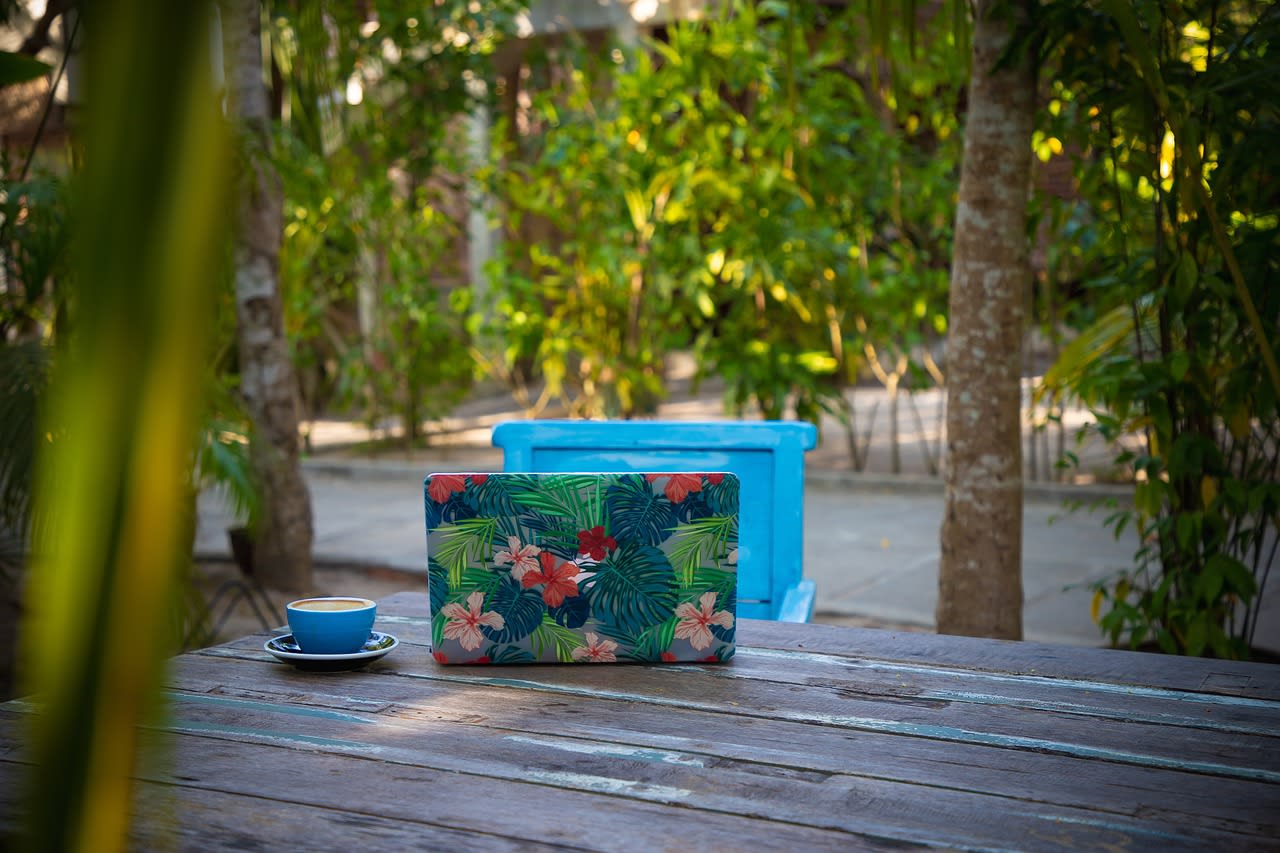
We all check Nomad List for internet speeds. But here's what those numbers don't tell you: consistency, latency, and what happens during peak hours.
I've been in places with "100 Mbps" on paper that dropped to 2 Mbps every day at 6 PM when everyone got home from work. I've had fiber optic connections that were lightning fast except for the 30% packet loss that made Zoom calls impossible. And I've had "backup" mobile data that was supposed to save me but had data caps that made it useless for actual work.
My rule of thumb after 50+ countries: always have three connectivity options. Your primary (usually Airbnb/hotel WiFi), a local SIM card with a generous data plan, and a backup international eSIM or roaming plan. I use Airalo for eSIMs—they're not the cheapest, but they work in a pinch when you arrive somewhere at midnight and need internet immediately.
But here's the pro tip nobody gives you: test the internet at the time you'll actually be working. If you work US hours in Asia, you need to know what the internet is like at 2 AM local time, not 2 PM. I once booked a place in Chiang Mai based on daytime speed tests, only to discover the building throttled bandwidth at night. Learned that lesson the hard way during a client call.
The Productivity Trap: Why "Perfect Workspaces" Often Fail
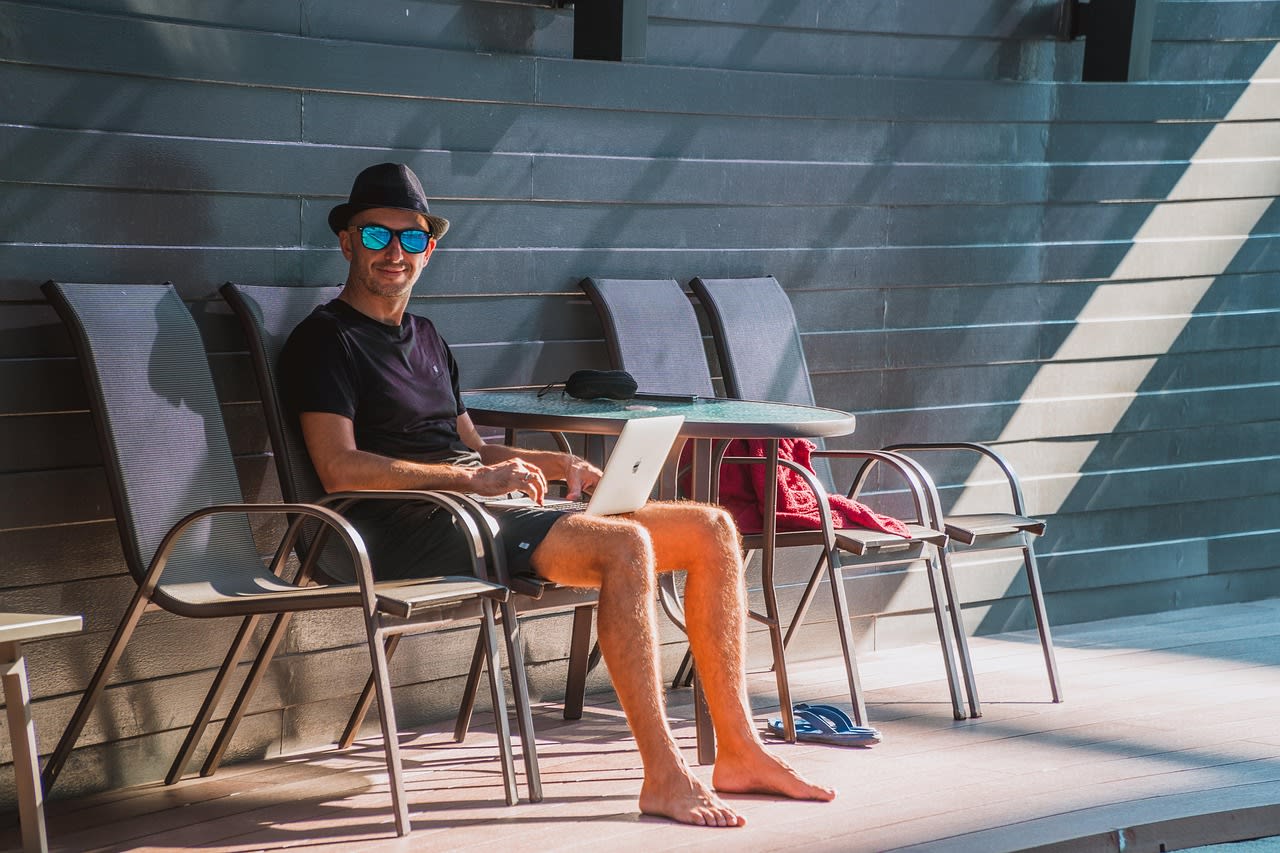
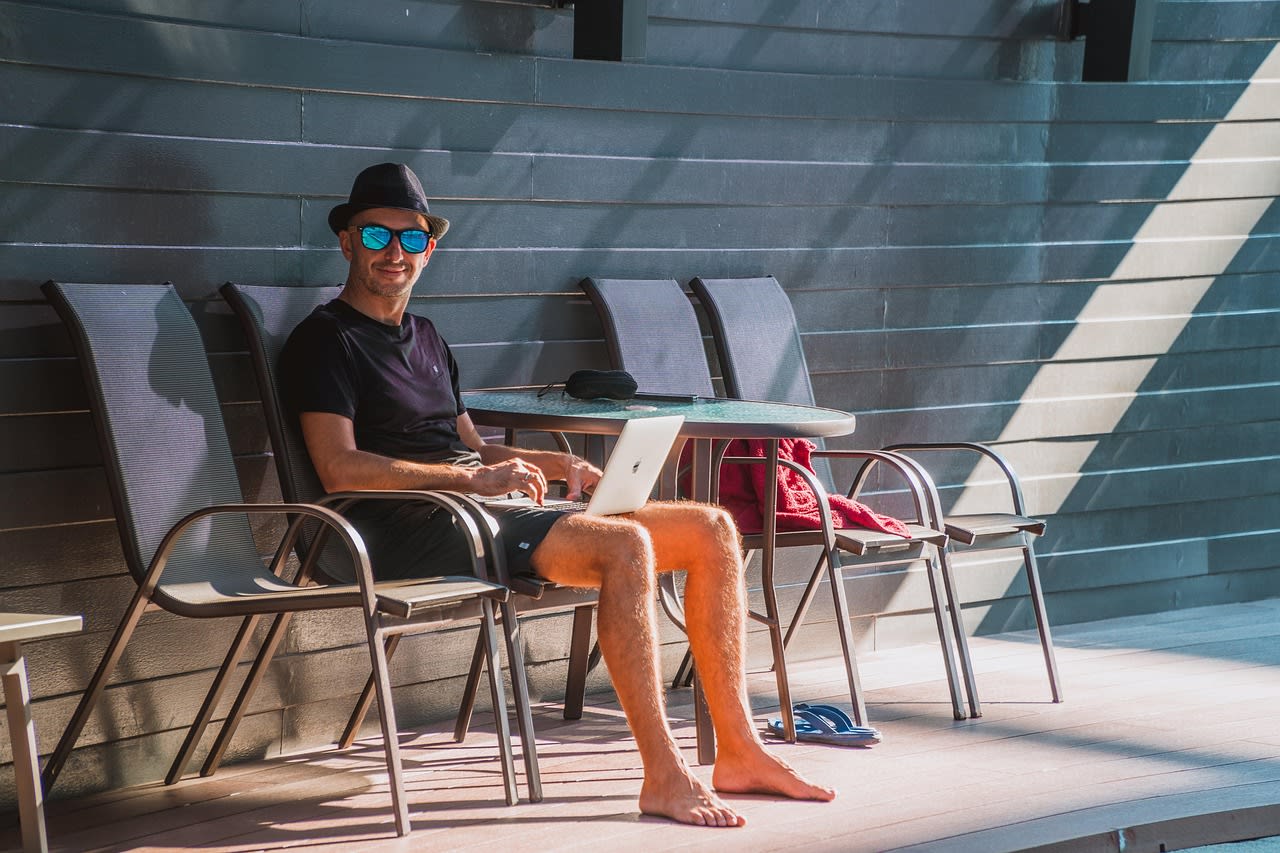
You see the photos. The laptop on the beach. The coworking space with the infinity pool. The café with the perfect latte art. Here's the reality: most of these places are terrible for actual work.
Beaches have sand, sun glare, and humidity that will destroy your electronics. Poolside coworking spaces are usually loud, humid, and full of people taking selfies rather than working. And those perfect cafés? They either have terrible chairs, no power outlets, or WiFi that kicks you off after an hour.
What actually works:
Dedicated Workspaces at Home: Your Airbnb or apartment needs a real desk and chair. Not a kitchen table with a stool. A proper ergonomic setup. I've started traveling with a portable laptop stand and external keyboard because so many places have terrible setups. The Roost Laptop Stand has been a game-changer for me.
Coworking Spaces That Cater to Workers: Look for spaces that don't look like Instagram bait. Fewer neon signs, more soundproof phone booths. Fewer beer taps, more reliable printers. My test? Ask about their backup generator and UPS systems. If they don't have them, keep looking.
The Library Hack: Public libraries in many countries are secretly amazing workspaces. Free, quiet, with good internet and air conditioning. I've worked from national libraries in Taipei, Prague, and Helsinki—all fantastic and completely free.
Community vs. Isolation: Finding Your Balance
This is the psychological trap nobody warns you about. When you first start nomading, you want community. You join every Facebook group, go to every meetup, and try to make friends everywhere. After a year or two, you might swing the other way—avoiding nomad hubs entirely, getting annoyed by the same conversations about dropshipping and crypto.
Here's what I've learned: you need both. But at different times.
When you're new or feeling lonely, seek out established communities. Places with regular events, shared houses, or coworking spaces that facilitate connections. Lisbon's Digital Nomads Lisbon community (though crowded now) is a good example. So is Chiang Mai's—though it's changed a lot since the early days.
When you need to focus or avoid burnout, go somewhere without a nomad scene. Smaller cities, towns, or even different neighborhoods in big cities. I spent a month in Brasov, Romania specifically because there wasn't a nomad community. I got more work done in those four weeks than in three months in Bali.
The key is being intentional. Don't just follow the herd to the "hot" destination of the month. Ask yourself: what do I need right now? Community and networking? Or solitude and focus? Your destination should match your current needs, not what's trending on TikTok.
Money: The Real Costs Nobody Calculates

"Live in Bali for $1,000 a month!" Yeah, maybe if you eat only nasi goreng, never travel around the island, and stay in a hostel dorm. The reality is always more expensive than the blogs suggest.
Here are the costs most people forget:
Visa Runs: That flight to Singapore or Kuala Lumpur to renew your visa isn't free. Neither is the hotel for a few nights, the meals, and the transportation. These add up quickly—especially if you're doing them every 30-60 days.
Health Insurance That Actually Covers You: Most nomads start with cheap travel insurance. Then they actually need to use it and discover the limitations. I use SafetyWing for basic coverage but supplement with a more comprehensive plan when I'm staying somewhere longer term. The peace of mind is worth the extra cost.
Tax Complexity: The more countries you visit, the more complicated your taxes become. At some point, you'll probably need an accountant who understands digital nomad tax situations. That's easily $500-1,000 per year minimum.
Equipment Replacement: Travel destroys electronics. Humidity, dust, drops, theft—it happens. Budget for replacing your laptop, phone, or other gear more frequently than you would at home.
My advice? Take whatever budget you think you need and add 30%. Then add another 20% for unexpected expenses. The digital nomad who told you they live on $800/month is either lying, miserable, or has a trust fund they're not mentioning.
The Tools That Actually Save Your Sanity
After testing hundreds of apps and services, here's my essential toolkit for 2026:
For Finding Places to Stay: Airbnb is obvious, but I've had better luck with Facebook groups for specific cities. Search "[City] apartments for rent" or "[City] digital nomad housing." You'll find better deals and longer-term options. For checking internet speeds before booking, I sometimes use web scraping tools to pull recent reviews about specific buildings or neighborhoods.
For Getting Work Done: Focusmate for accountability. Notion for organizing everything. A portable second monitor (I use the Asus ZenScreen) for productivity on the go. And noise-cancelling headphones—non-negotiable. The Sony WH-1000XM5 are worth every penny when you're trying to work in a noisy café or apartment.
For Managing Logistics: TripIt for organizing flights and bookings. Wise for transfers and multi-currency accounts. A VPN (I use ExpressVPN) for security on public networks and accessing content from home.
When You Need Help: Don't try to do everything yourself. If you need a logo designed, a website fixed, or administrative tasks handled, hire someone on Fiverr. Your time is better spent on revenue-generating activities or actually enjoying your location.
The Questions You're Too Embarrassed to Ask (Answered)
"What if I get lonely?" You will. Everyone does. The solution isn't avoiding loneliness entirely—it's having strategies for when it hits. Regular video calls with friends and family back home. Joining local classes or activities (language, cooking, dancing) where you meet non-nomads. And being okay with quiet periods. Not every day needs to be social.
"How do I explain this to my family?" They probably won't fully understand. And that's okay. Create a simple explanation that focuses on the work aspect rather than the travel. "I'm working remotely for clients around the world" is easier for most people to grasp than "I'm a digital nomad living my best life."
"What about relationships?" They're harder. Much harder. But not impossible. Many nomads date other nomads (hence the term "nomance"). Some maintain long-distance relationships. Some stay single. There's no right answer, but be honest with yourself and potential partners about your lifestyle.
"When should I stop?" When it's not fun anymore. When you're constantly stressed about logistics. When you're working more hours for less money than you would at home. When you realize you haven't actually seen anything in the last three cities because you were always working. This lifestyle isn't forever for most people—and that's okay.
The Truth About "Dream Destinations" in 2026
Let's get specific about places everyone asks about:
Bali: Overcrowded with nomads, traffic is insane, and the digital infrastructure is straining under the demand. Still beautiful, still affordable-ish, but go to lesser-known parts of the island or neighboring islands instead of Canggu.
Lisbon: Expensive now. Like, really expensive. The magic is fading as rents skyrocket and the city becomes a tourist theme park. Consider Porto instead, or smaller Portuguese towns.
Mexico City: The new darling. Great food, culture, and community. But safety concerns are real (research neighborhoods carefully), and the altitude affects some people more than they expect.
Thailand: Still fantastic, but the visa situation is getting tighter. Consider Malaysia or Vietnam as alternatives with similar vibes but easier long-term stays.
Eastern Europe: My current favorite region. Georgia, Armenia, Albania, Romania—affordable, good internet, fascinating cultures, and not yet overrun. But winters can be harsh, and English is less widely spoken.
Making the Decision: Is This Still For You?
Here's the most important thing I've learned after 50+ countries: digital nomadism isn't a destination. It's a phase. For some people, it's a few years before they settle somewhere. For others, it's a lifestyle they adapt long-term. For most, it's somewhere in between.
The romantic version you see on social media—that's the highlight reel. The reality is visa stress, unreliable internet, lonely nights, and the constant logistical dance of moving your life every few months.
But when it works? When you find that perfect apartment with fast internet and a great view? When you make friends from around the world? When you experience a festival or tradition you'd never see at home? That's the magic. That's what keeps us going.
My advice? Try it. But try it smart. Don't sell everything and buy a one-way ticket to Bali. Take a one-month trial run somewhere with good infrastructure. See how you handle the reality, not the fantasy. Then decide if you want more.
Because after 50+ countries, I can tell you this: the best place to be a digital nomad isn't a specific city or country. It's wherever you've built a life that balances work, adventure, and personal well-being. And that looks different for everyone.
Now stop Googling at 2 AM and book that trial month. You'll learn more in 30 days of doing than in 300 hours of researching. I'll see you out there.